
Last updated November 24, 2026
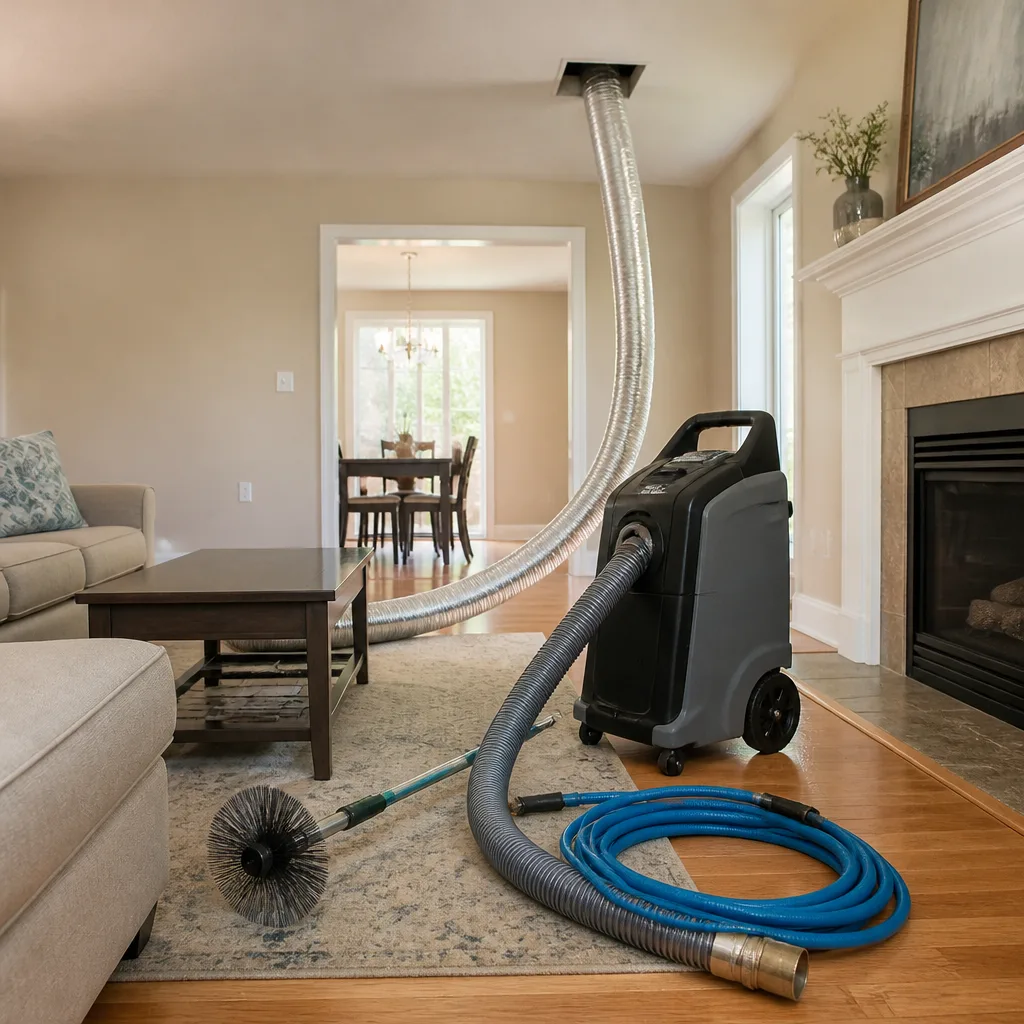 Whole-home duct cleaning
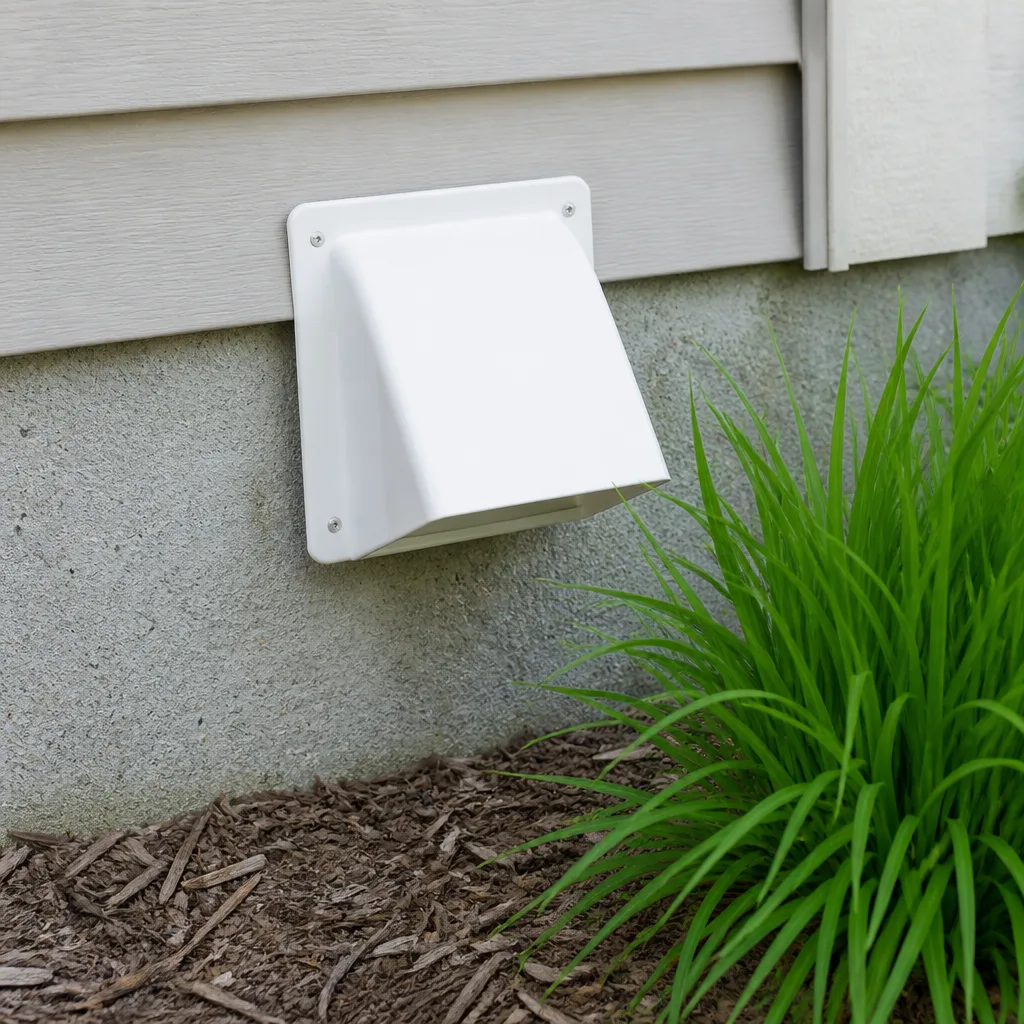 Dryer vent cleaning
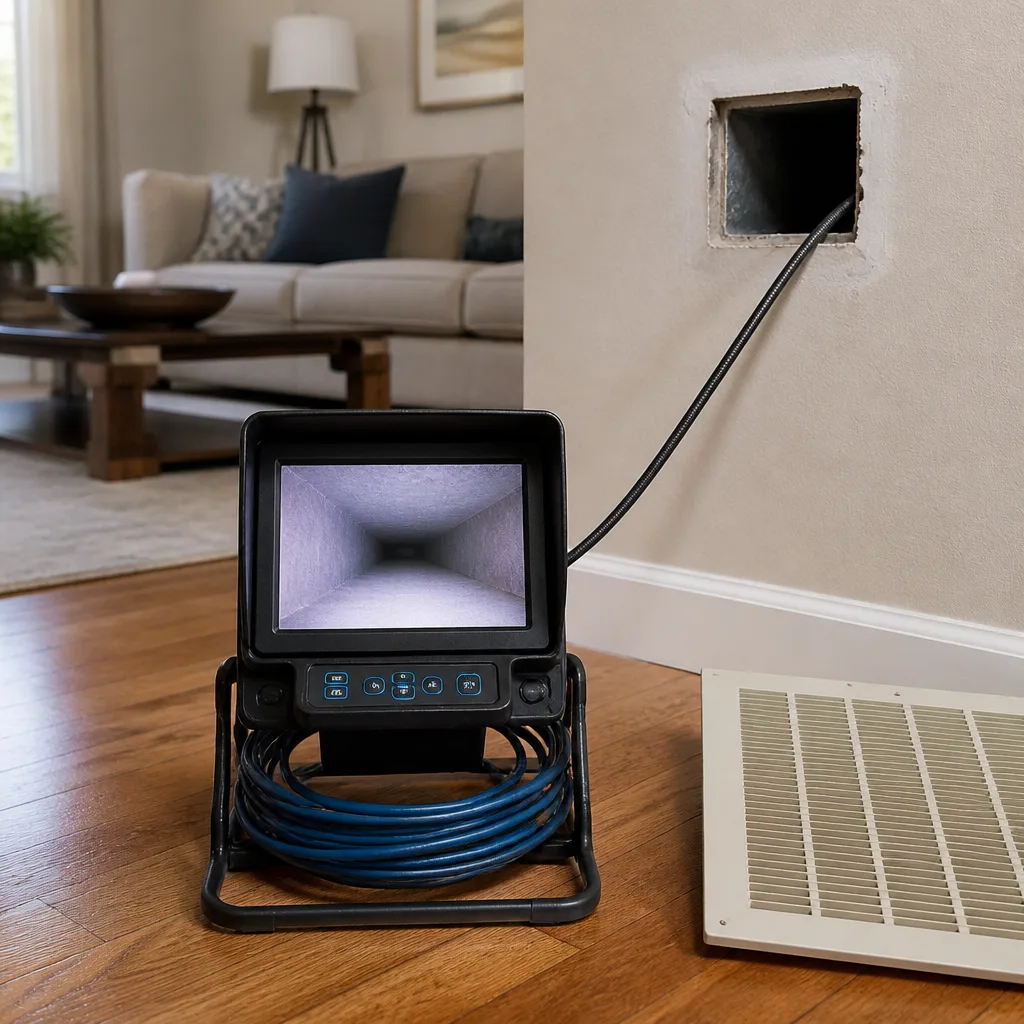 Camera inspection
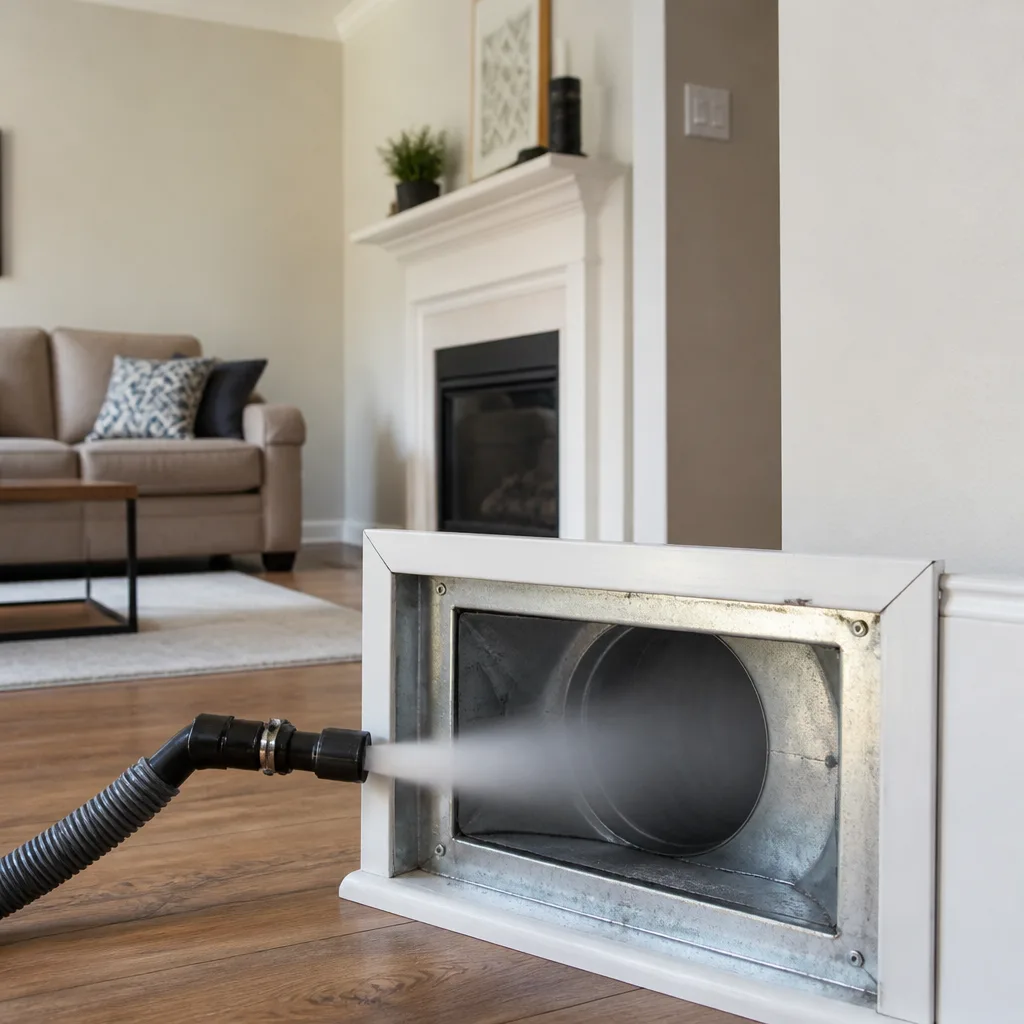 Sanitizing & deodorizing
Whole-system duct and dryer vent check with before-and-after photos - you see exactly what came out of your vents
That "$99 whole-house special" is a bait ad - the real number appears once they are in your hallway, or the "clean" is a shop-vac at the register. We photograph the inside of your ducts before and after instead.
Air Duct Cleaning Permits, Codes & Inspections in West Brighton, NY: What You Need to Know
Most duct cleaning is maintenance, and maintenance doesn’t need a permit. That’s the part homeowners get right. The part they get wrong is assuming everything a duct technician touches stays in that “no permit” lane. The moment a recommendation shifts from cleaning to modification – replacing a run of flex duct, cutting in a new trunk, addressing mold growth inside the system – the regulatory picture in New York City’s boroughs changes, and Staten Island is no exception. A West Brighton homeowner can end up with work that fails a certificate-of-occupancy inspection years later, during a sale, with no easy fix. This guide walks through where the line sits, what the NYC Mechanical Code says, what to document, and how to read an estimate so you don’t get caught.
Quick Answer
Routine air duct cleaning doesn’t require a permit in West Brighton or anywhere else in New York City. Mechanical work on the duct system itself – new duct runs, modifications, liner replacement – generally does require a permit through the NYC Department of Buildings, and mold remediation inside ductwork can bring in NYC DEP notification requirements and a licensed remediation contractor. The permit line is drawn at “cleaning” versus “changing the system.” Everything in this guide sits around that line.
Styles & brands we work with
- Whole-home duct cleaning
- Dryer vent cleaning
- Camera inspection
- Sanitizing & deodorizing
Table of Contents
- Maintenance Cleaning vs. Mechanical Work: Where the Permit Line Sits
- What NYC Mechanical Code Section 603 Covers
- When Mold in Ductwork Crosses Into Licensing and DEP Territory
- Why Staten Island Inspections Play Out Differently From the Outer Boroughs
- Master Mechanic Work vs. What a Duct Cleaning Specialist Can Handle
- Documentation to Request and Keep
- Preparing for a Property Sale or Insurance Claim
- What a Duct Inspection Actually Looks At
Maintenance Cleaning vs. Mechanical Work: Where the Permit Line Sits
Air duct cleaning, on its own, is maintenance. It doesn’t alter the mechanical system, doesn’t change the shape or routing of the ductwork, and doesn’t touch the code-governed components of the HVAC system. No permit. No inspection. A cleaning visit that pulls debris out of the supply and return runs, cleans the registers and grilles, and vacs the plenum leaves the system exactly as it was built.
The line moves the moment a technician recommends changing something. Here’s the practical split we use:
- No permit needed: Source removal of dust, debris, and light buildup from existing ducts; register and grille cleaning; blower and coil cleaning where nothing is being altered; sanitizing existing surfaces with a treatment product.
- Permit territory: Replacing a section of flex duct because it’s torn or collapsing; adding a new supply or return run; re-routing ductwork; modifying the trunk; replacing duct liner; any change that affects the mechanical system’s layout or capacity.
- Permit plus specialty licensing: Mold remediation inside the duct system, which we cover further down.
In a West Brighton house, the most common case is a torn or disconnected flex duct in an attic or crawl space. It looks like a cleaning problem when the technician finds it. It’s a mechanical repair, and if it’s done without a permit and then shows up on an inspection, it flags. A duct cleaning visit that turns into a duct repair is fine; what matters is that everyone involved knows which category the work falls into before a tool comes out.
The reason this trips people up is simple. Nobody goes looking for a permit to clean a duct, so the whole conversation starts on the cleaning side. When the scope shifts, the paperwork has to shift too. We repair what we find, but we tell homeowners clearly when a finding is a mechanical change rather than a maintenance item, so they can decide whether to pull a permit or have a licensed master mechanic handle that portion.
What NYC Mechanical Code Section 603 Covers
Section 603 of the NYC Mechanical Code is the section that governs duct systems: duct construction, duct materials, duct installation, and the requirements for duct systems that distribute conditioned air. It applies to new installations and to alterations of existing systems. It doesn’t govern whether you can vacuum out a dirty duct. That’s the distinction that matters for a West Brighton homeowner reading a contractor’s estimate.
What Section 603 means in practice:
- Duct materials have to meet the code’s requirements. Flex duct, rigid duct, and duct board each have rules about how they can be used, how they’re supported, and where they’re allowed. A technician recommending replacement has to work within those rules, not around them.
- Alterations of duct systems fall under the code. If the work changes the system’s configuration – added runs, moved trunks, replaced liner – it’s an alteration, and alterations are the kind of work that goes through the DOB.
- Cleaning, by itself, is not an alteration. Removing accumulated debris doesn’t change the system. That’s why cleaning doesn’t reset the code clock or require a filing.
Here’s what we tell every West Brighton homeowner we work with: if the recommendation is “your ducts are dirty, we need to clean them,” you’re in maintenance territory. If the recommendation is “your ducts are torn, undersized, or routed wrong, we need to change them,” ask about a permit before the work starts. The answer isn’t always “yes, permit needed” – small repairs sometimes fall under repair exemptions – but it’s a question worth asking, and the answer needs to come from someone who knows the code, not a salesperson.
The city’s building department is the authority on whether a specific job needs a filing. When there’s any doubt, a call to the DOB or a conversation with a licensed master mechanic settles it. That call is much cheaper than a failed inspection during a closing.
When Mold in Ductwork Crosses Into Licensing and DEP Territory
Mold inside ductwork is where a routine cleaning appointment can turn into a licensing question. If a technician finds visible mold growth on duct surfaces, insulation, or the air handler components, the job is no longer maintenance. It becomes remediation, and remediation has its own rules in New York.
The practical implications for a West Brighton homeowner:
- Mold remediation is a licensed trade. New York State licenses mold assessment and remediation contractors. A duct cleaning company that isn’t licensed for remediation shouldn’t be doing the remediation work, even if it can clean the ducts around it.
- Large-scale remediation may require notification to NYC DEP. The city’s Department of Environmental Protection has notification requirements for certain mold remediation projects, and the thresholds are based on the scope of affected area. Ask about notification before work begins, not after.
- Cleaning isn’t the same as remediation. A general duct cleaning with a sanitizing treatment can address light microbial growth and odors as part of routine service. But once a project crosses into a formal remediation scope, the licensing, notification, and documentation requirements apply.
- Documentation matters more after remediation. Remediation produces records – assessment reports, work plans, clearance documentation. Keep them.
Our Air Quality & Sanitizing service uses Guardsman and Abatement Technologies treatment products to address microbial growth, allergens, and odors on surfaces within the duct system. That covers routine sanitizing as part of a cleaning visit. When a walkthrough turns up substantial mold growth, the honest recommendation is a licensed mold remediation contractor, followed by a duct cleaning once the remediation is cleared. We’d rather tell a West Brighton homeowner that than take on a job outside our scope and leave them with an undocumented remediation that fails an inspection later.
If you’re not sure which category your situation falls into, that’s usually a walkthrough question, not a phone question. Reading photos over the phone misses too much. If the ducts are visible and the situation is clear, a call is fast: (877) 699-0106. We answer 24/7. Fast dispatch from 7am to 7pm, Sunday through Friday.
Why Staten Island Inspections Play Out Differently From the Outer Boroughs
Staten Island’s housing stock shapes how duct code enforcement actually plays out. West Brighton, like most Staten Island neighborhoods, is dominated by detached single-family homes rather than the multi-unit apartment buildings that make up large stretches of Brooklyn, Queens, and the Bronx. That changes the practical inspection frequency.
In a multi-unit building, work on one apartment’s duct system can ripple through a shared mechanical system and trigger oversight from a building manager or a co-op board. In a detached home, the work is between the homeowner and the DOB. Nobody’s signing off at the building level, and nobody’s flagging a duct alteration in the hallway. In practice, that means permitted work in a Staten Island house moves forward with less day-to-day oversight than a comparable alteration would see in an apartment building.
The upside is that homeowners here have room to handle their own properties their own way. The downside is that code violations can sit untouched for years, only surfacing at the moments when documentation gets scrutinized. Two of those moments come up again and again:
- A property sale. A buyer’s attorney or a title company asks for permits, drawings, and inspection records for work on the property. Unpermitted mechanical alterations can delay closing, require a retroactive filing, or get flagged as an open item that has to be resolved before the sale goes through.
- An insurance claim after water or smoke damage. An adjuster reviewing a claim will look at whether work on the system was done properly. A duct system with unpermitted alterations can complicate a claim, especially if the alteration is anywhere near the damage.
The other Staten Island factor is crawl space and attic duct runs. West Brighton homes frequently run flex duct through attic space and crawl spaces, and those are exactly where duct damage shows up – torn flex, disconnected joints, crushed runs under insulation. A cleaning visit that finds one of these needs to be categorized correctly. If the repair is “replace this torn section with the same size, same spec,” it may fall under repair. If it’s “re-route this run because it’s restricting airflow,” that’s an alteration, and it’s worth a call to the DOB before the work starts.
Master Mechanic Work vs. What a Duct Cleaning Specialist Can Handle
Some HVAC work requires an NYC-licensed master mechanic. Some work doesn’t. Duct cleaning sits firmly in the second category. Duct modification sits firmly in the first. Knowing the difference keeps a West Brighton homeowner out of trouble on both ends – not paying a licensed master mechanic to vacuum a duct, and not paying a cleaning crew to alter one.
Here’s the split we draw when we’re scoping a job:
- A duct cleaning specialist can handle: Source-removal cleaning using negative-pressure equipment like the Rotobrush and Nikro systems we run; register and grille cleaning; sanitary treatment of existing duct surfaces; air quality upgrades using Honeywell or Aprilaire filtration products; Duct Repair & Sealing where the repair matches the existing configuration.
- An NYC-licensed master mechanic should handle: Any alteration that changes the mechanical system’s layout or capacity; full duct system replacement; new duct runs; modifications to the trunk line; work that requires a DOB filing or a permit.
- A licensed mold remediation contractor should handle: Remediation of substantial mold growth inside the duct system, as covered above.
The tricky part is Duct Repair & Sealing. Sealing leaks in existing ductwork, taping separated joints, and replacing short sections with matching material often falls under repair, which a duct cleaning specialist can handle legitimately. But “repair” and “alteration” can sit right next to each other, and the difference is visible in the scope of work rather than the size of the job. A short section of torn flex duct replaced with the same material and same routing is repair. Re-routing that duct to improve airflow is alteration. The distinction isn’t about cost or effort; it’s about whether the mechanical system’s design has changed.
We’ve built our service around handling what we can legally handle – cleaning, sealing, repair within the existing configuration, sanitizing – and telling homeowners clearly when they need a licensed master mechanic for the rest. That’s also why we stock and install Honeywell and Aprilaire filtration products: air quality upgrades in the existing system can be added without altering the system’s layout, which keeps the work in our lane and keeps the homeowner out of a filing.
If you’re wondering which side of the line your own project sits on, that’s exactly the kind of question we’re glad to answer before anybody shows up. Call (877) 699-0106. Estimates are free, and the conversation costs nothing.
Documentation to Request and Keep
Documentation is the part of duct work that homeowners usually discover too late they should have cared about. It’s also the easiest part to get right if you know what to ask for. Request the right documents at the time of service and keep them in a house file that survives a sale.
What to ask for on a routine cleaning:
- A written scope of work. What’s being cleaned, which runs, whether the blower and coil are included, whether the plenum is included. A written scope is your proof of what was done, and it’s a good comparison tool when you’re looking at multiple estimates.
- Before-and-after photos. Photos of the actual ductwork before and after the job. Not a stock photo set; photos of your ducts. If the work ever comes under question, photos settle it in a way that a receipt can’t.
- A written invoice with a line-item description. Not “duct cleaning – $X.” Itemized: cleaning, register cleaning, sanitizing treatment, any installation of filtration products. Line-item invoices read clearly to an adjuster or a buyer’s attorney.
- Any product documentation. If you’ve had Honeywell or Aprilaire components installed, keep the model numbers and installation sheet. If sanitizing treatment was applied with Guardsman or Abatement Technologies products, ask for the product name and any safety or handling documentation that comes with it.
What to ask for on any work that involved duct repair, sealing, or a permitted alteration:
- Copies of any permits pulled. If a permit was pulled, keep a copy. If a permit wasn’t needed, ask for a written note from the contractor saying the work fell under repair or maintenance rather than alteration, with the reasoning.
- Inspection sign-off, if an inspection occurred. Keep the signed inspection record.
- Photos of the repair itself. Duct repair photos, sealing photos, and before-and-after shots of the specific sections that were repaired.
- Warranty information, if any is offered, in writing. Verbal warranties are hard to enforce when the contractor is long gone.
The documentation habit is cheap to build and expensive to skip. A West Brighton homeowner preparing to sell a house has a much easier closing when the duct file is complete. An insurance adjuster reviewing water or smoke damage has a much easier time honoring a claim when the duct work is documented.
Preparing for a Property Sale or Insurance Claim
Two moments in a house’s life turn duct documentation from a nice-to-have into a liability. Selling is the first. Insurance claims on water or smoke damage are the second. Both reward a homeowner who kept records and both punish one who didn’t.
When you’re preparing to sell a West Brighton home and there’s been any duct work done – cleaning, repair, or modification – pull the file together before the buyer’s attorney asks. A duct file that includes the written scope, before-and-after photos, the invoice, and any permit or inspection paperwork answers the questions that would otherwise come up during attorney review. If work was done that should have been permitted and wasn’t, the honest move is to deal with it before listing: talk to the DOB, decide whether a retroactive filing is possible, and get it resolved. A closing can pause for an open permit issue; better to pause it on your own schedule than on the buyer’s.
Insurance claims operate a little differently. After water damage from a burst pipe or smoke damage from a kitchen fire, an adjuster will assess the affected systems in the home. A duct system that was altered without permit is a possible complication, but it’s not the end of the claim – a documented alteration is easy to work through, and an undocumented one is just slower. The best defense is the file: photos of the duct system before the damage is the single most useful record when it comes to a duct-related claim.
For smoke damage specifically, the work that follows a fire often involves a full system clean plus a sanitizing treatment, because smoke residue settles into the duct surfaces and can’t be removed by surface wiping alone. That’s where a service built around Abatement Technologies filtration and Guardsman treatment products sits well – the job can be done as one documented visit with clear before-and-after photos. If Air Duct Cleaning West Brighton can work with your insurer on the scope of that work, we will; the invoice and photos are written to support a claim.
What a Duct Inspection Actually Looks At
Duct inspections come in a few different flavors, and what they’re looking at determines what a homeowner needs to have ready. The two most common kinds are:
- The code-driven inspection. Triggered by permitted work on the mechanical system. The inspection checks that the work matches the permit, that the materials meet code, and that the installation is sound.
- The transaction-driven inspection. Triggered by a property sale or insurance claim. This one often isn’t a formal DOB inspection at all – it’s a review of the property file by a buyer’s attorney, a title company, or an adjuster.
For code-driven inspections on duct alterations, the inspector is checking whether the mechanical work matches what the permit describes and whether the installation meets the code. The paperwork that matters is the permit and the drawings. If an inspection fails, the path forward is usually to correct the work and re-inspect. That’s an expensive path compared to getting it right the first time.
For transaction-driven reviews, the questions are smaller but just as consequential. Was the work permitted? Was it documented? Can the buyer’s attorney see what was done? A file with clear documentation answers all three on the spot; a file without documentation can turn into a string of follow-up questions extending attorney review.
A third kind of inspection is the internal one we do whenever we arrive at a West Brighton home for a cleaning. We look at the ducts before we clean them. Torn flex, disconnected joints, crushed runs, visible mold, stained insulation. Anything that might need repair or remediation gets flagged, and any finding that would push the job into permitted territory gets named as such before the work starts. In our experience, that early flag is the difference between a routine visit and a regulatory surprise, and it’s a conversation worth having at the start rather than the end.
If Air Duct Cleaning West Brighton can answer a pre-purchase question over the phone from photos you’ve already taken, we will. For anything more involved, a walkthrough is the right call. Estimates are free.
Common Mistakes to Avoid
- Assuming that because a cleaning doesn’t need a permit, a repair doesn’t either. Cleaning is maintenance; replacing a section of duct or re-routing a run is mechanical work. In West Brighton, this distinction is the single most common source of failed transaction inspections.
- Letting a cleaning crew do a mechanical alteration on the fly. If the estimate suddenly includes “we’re going to replace this duct while we’re here,” stop and ask whether that work falls under repair or alteration. If it’s alteration, it likely needs a permit and a licensed master mechanic.
- Skipping the written scope. A verbal scope is unenforceable months later. A written scope that names which runs, which registers, and which components are being cleaned is the only documentation that works after the fact.
- Filing the paperwork in a drawer and forgetting it. Duct records should live with the house file, the same place you keep the boiler service records and the roof warranty. A West Brighton sale or insurance claim doesn’t call ahead.
- Treating mold as a cleaning problem. Visible mold growth inside a duct system is a remediation problem, and remediation sits under its own licensing and, in some scopes, DEP notification requirements. A cleaning company that isn’t licensed for remediation shouldn’t be doing remediation, even with good tools.
- Accepting a “we’ll handle the permit for you” without seeing it. Ask for the permit number and a copy. If it exists, it’s easy for the contractor to produce. If it doesn’t, better to know that now than during a closing.
- Using a shop vac as a substitute for real duct cleaning equipment. Consumer vacuums can’t move enough air to source-remove debris from a duct system, and they don’t seal the workspace to keep contaminants out of the living space. The professional-grade equipment brands we use exist for a reason.
See the difference
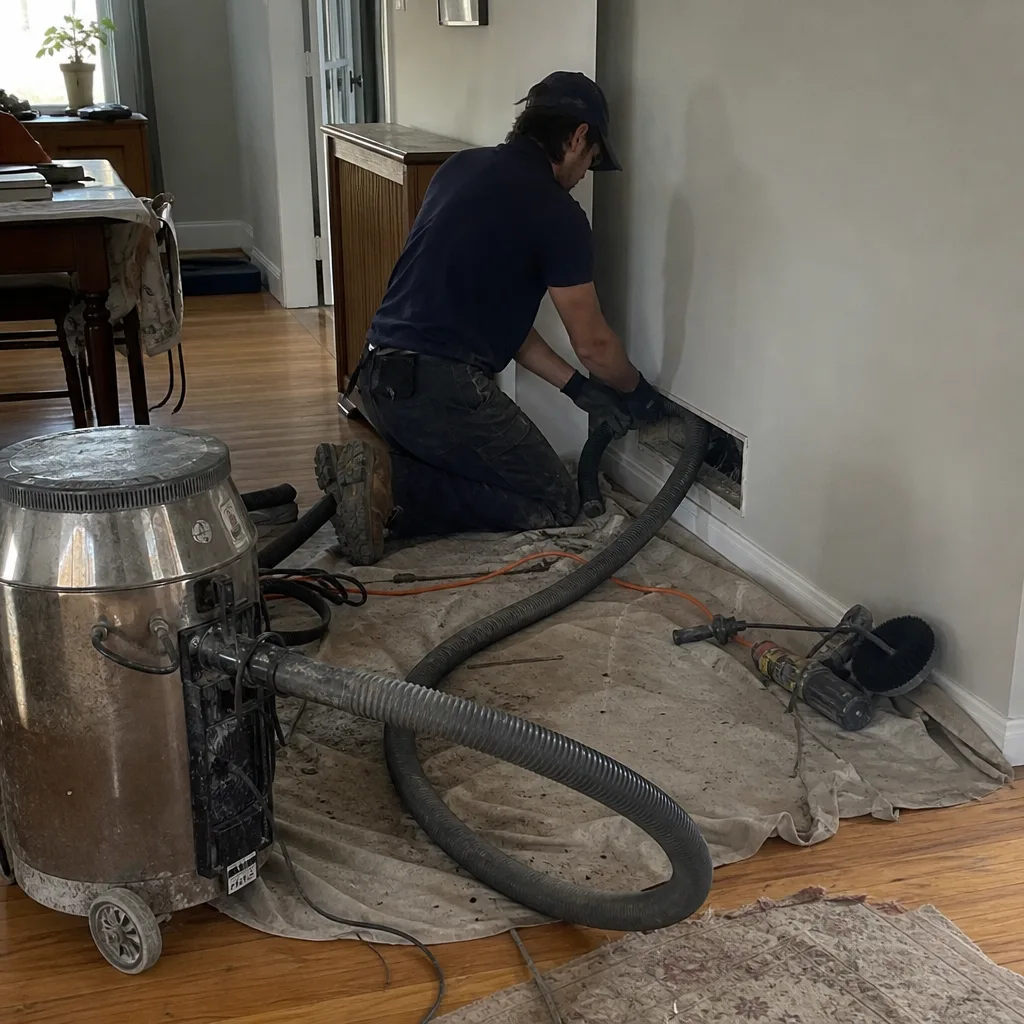 Before
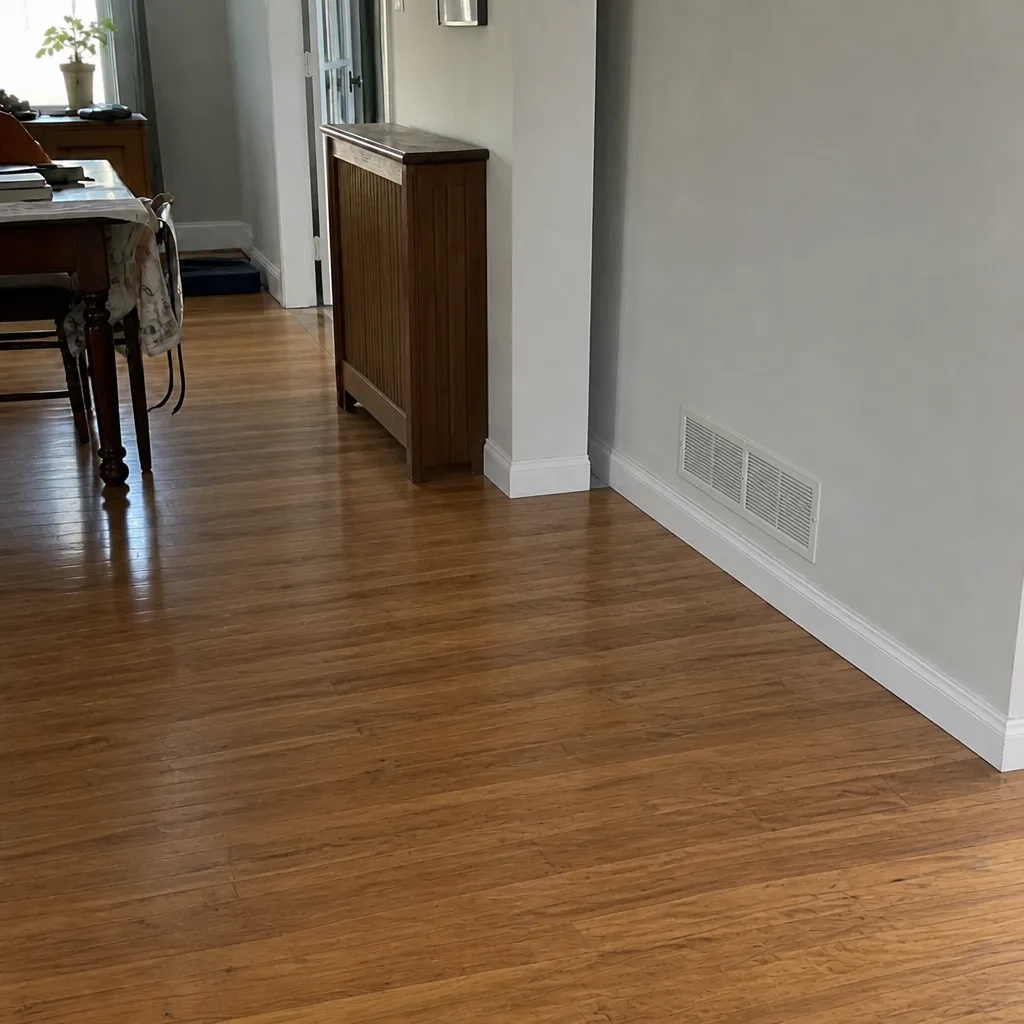 After
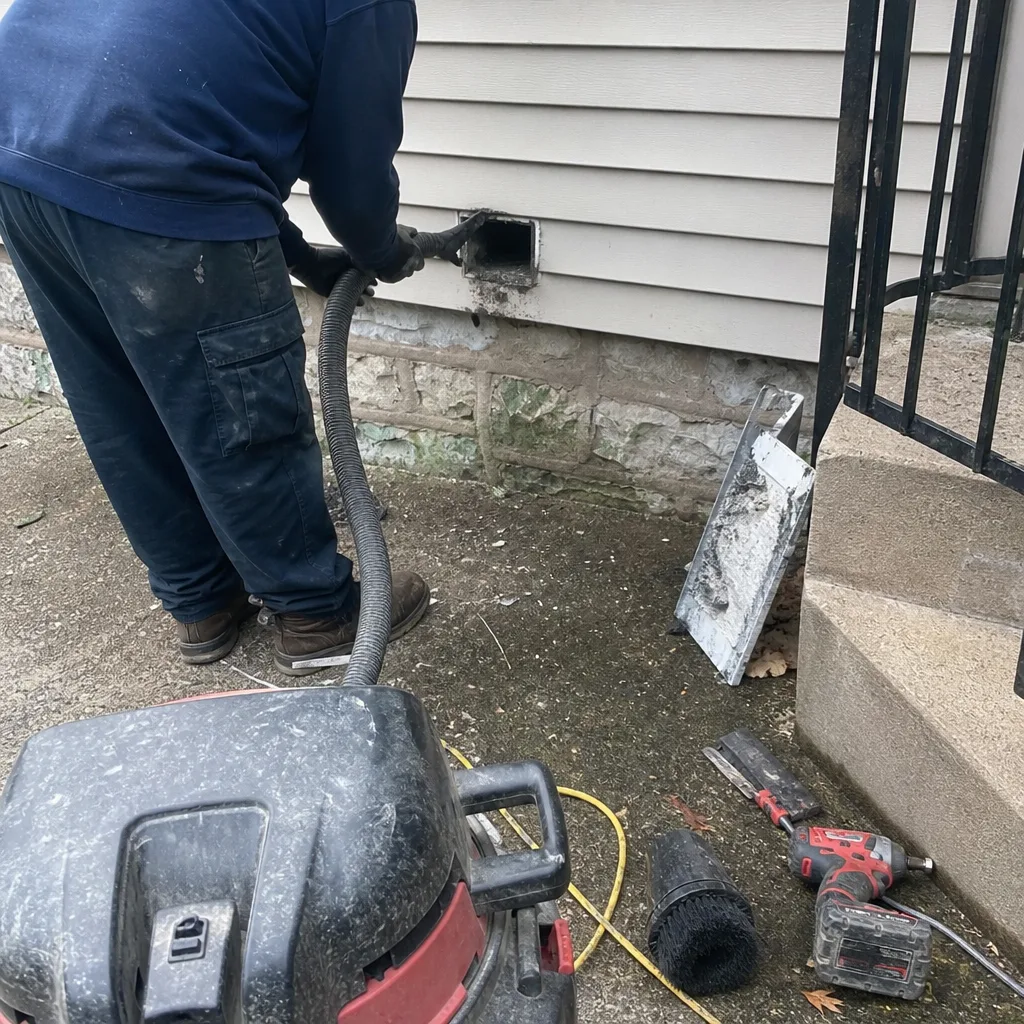 Before
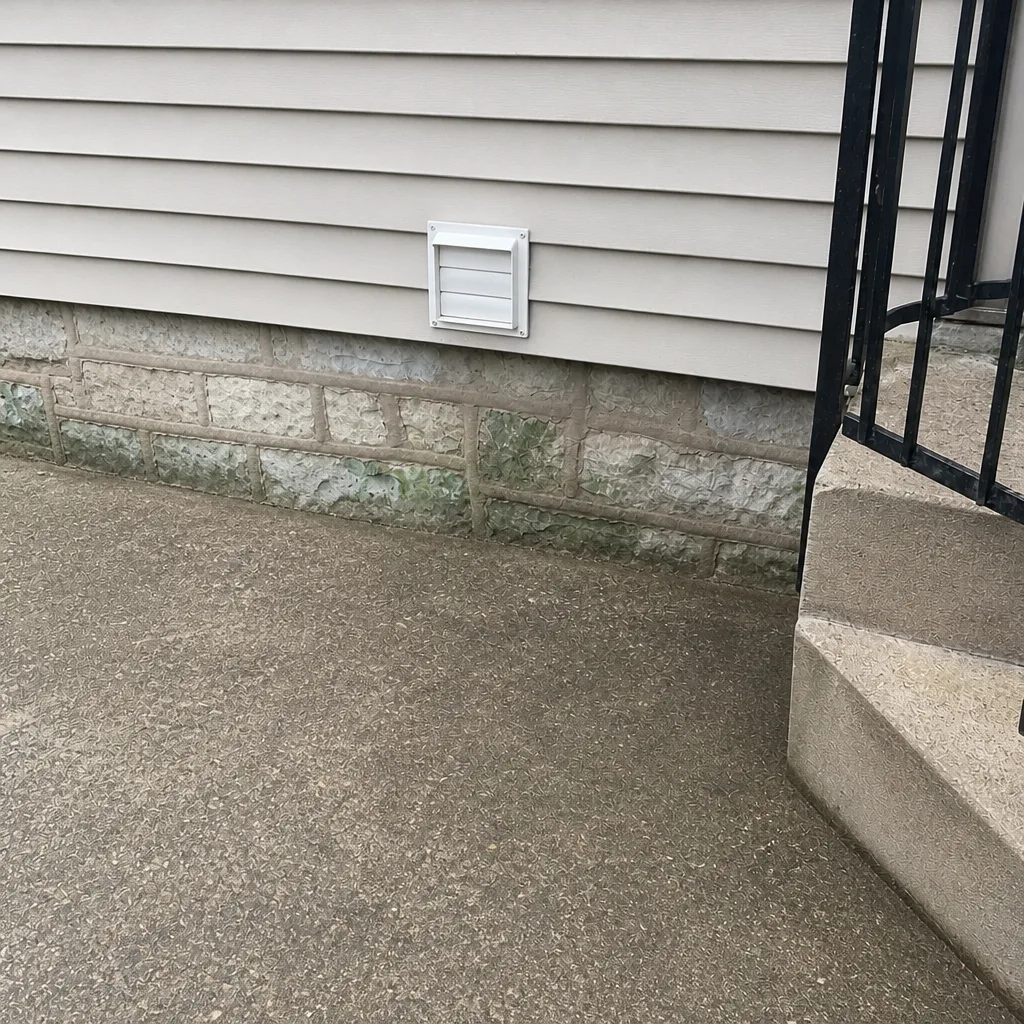 After
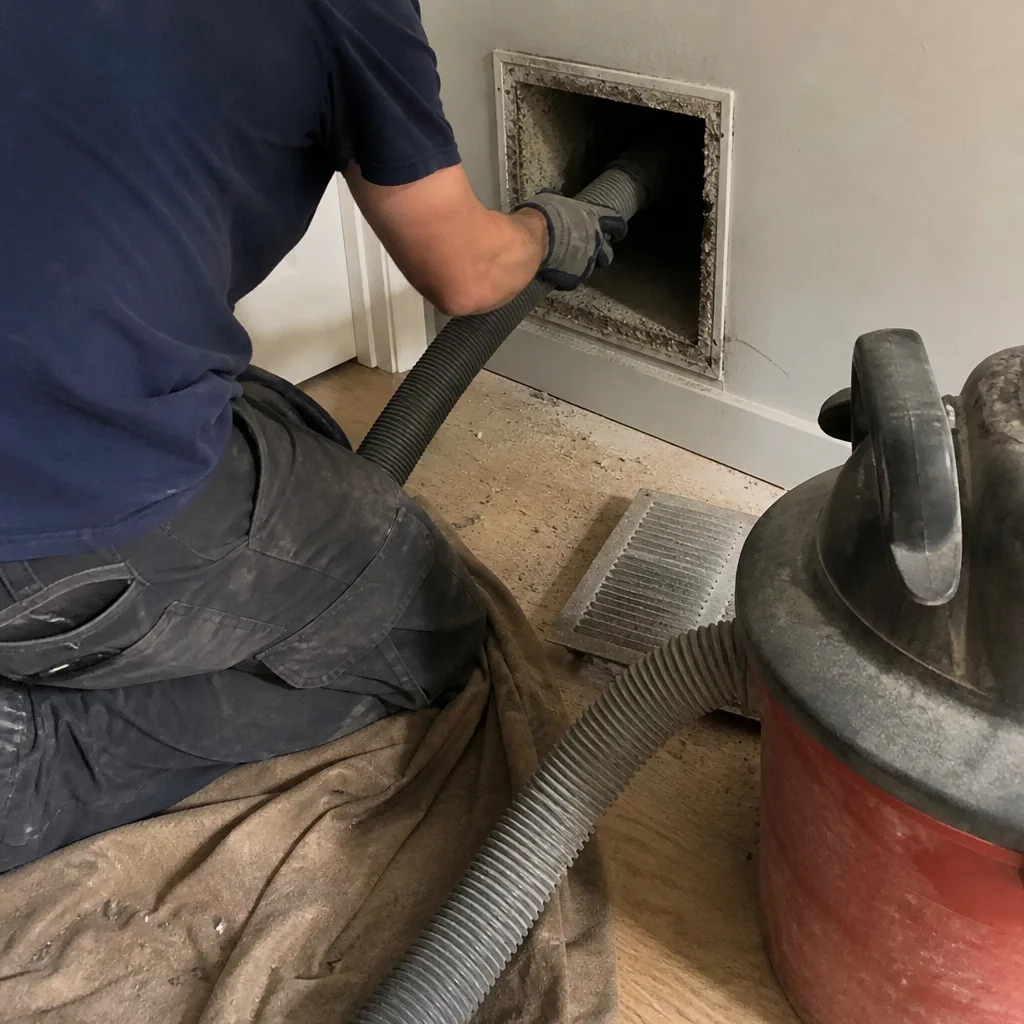 Before
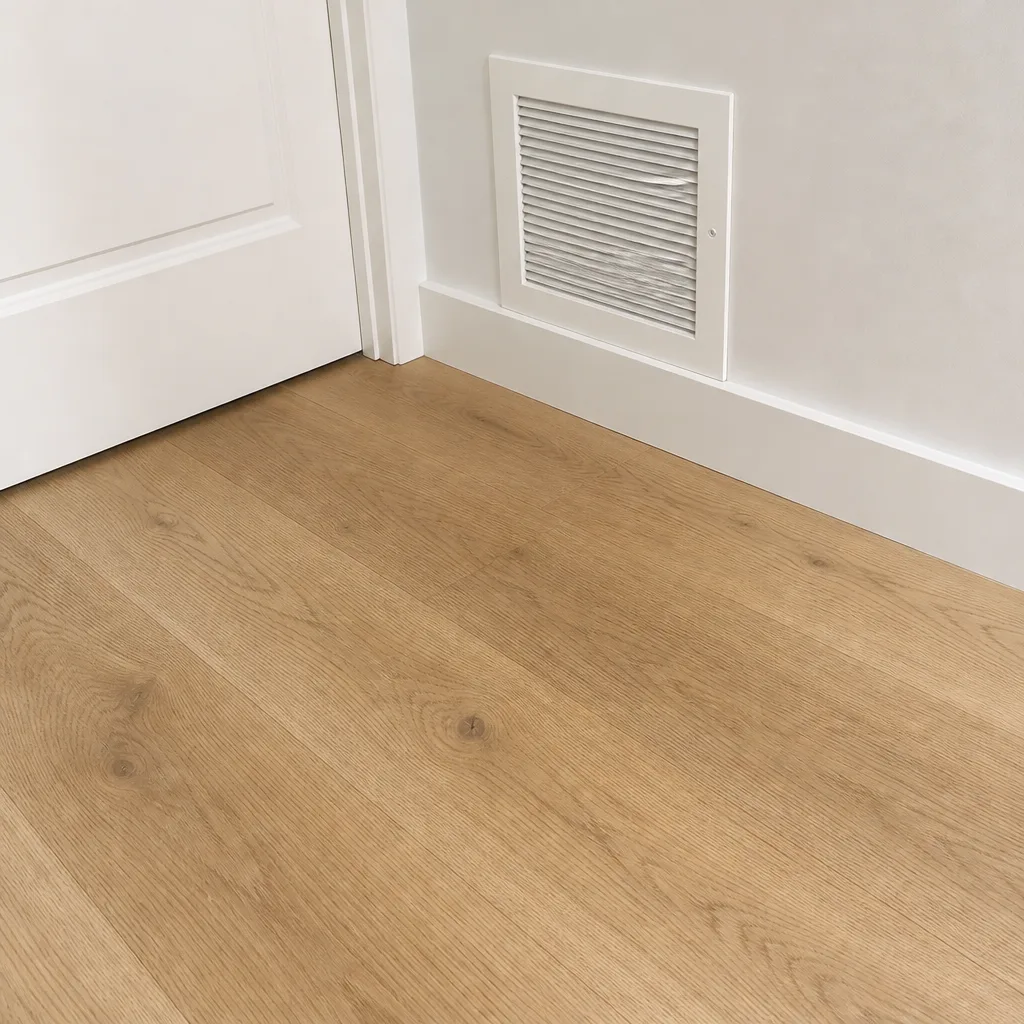 After
When to Call a Professional
Some duct situations are homeowner-checkable, and some aren’t. Call a professional when:
You’ve noticed visible growth on the duct surfaces, or a musty smell that returns after a filter change. You’ve had a water event near the air handler. Your ducts haven’t been cleaned in several years and you’re preparing to sell. Your airflow is inconsistent between rooms and you can’t see why. A permit was pulled for HVAC work and the paperwork is unclear. You’re filing an insurance claim and need the duct system documented. And any time someone has recommended duct repairs, replacement, or modifications to your West Brighton home – that’s a conversation about scope, permits, and licensing that should happen before work starts, not after.
Air Duct Cleaning West Brighton offers free estimates in West Brighton – call (877) 699-0106. We answer 24/7. Fast dispatch from 7am to 7pm, Sunday through Friday. Call (877) 699-0106 for a free estimate. The written estimate sets the final price, one flat price per system agreed before work starts, with before-and-after photos of your own ducts and a satisfaction guarantee.
Frequently Asked Questions
No – routine air duct cleaning in West Brighton doesn’t require a permit. Cleaning is maintenance and doesn’t alter the mechanical system. Adding, replacing, re-routing, or modifying ductwork generally does require a permit through the NYC Department of Buildings, because those jobs are mechanical alterations under the NYC Mechanical Code. If you’re unsure which category a job falls into, ask before the work starts. Call (877) 699-0106 for an exact quote; estimates are free.
Most West Brighton duct cleaning jobs run in the range you’d expect for a whole-system source-removal clean with register cleaning, and a written estimate gives you a flat price per system before work begins. We don’t quote a per-vent price, because a per-vent price is how the industry’s bait-and-switch starts: a small teaser number that gets replaced with a much larger invoice once the truck is in the driveway. A whole-system quote tells you what the job actually costs. Call (877) 699-0106 for an exact quote; estimates are free.
Because the cheap quote usually isn’t for the same job. A low quote often covers register cleaning only, or uses consumer-grade vacuums rather than professional-grade negative-pressure systems, or leaves the plenum and blower out of scope. The real job uses professional equipment like Rotobrush or Nikro systems and covers the ductwork from the HVAC unit to the last vent. When you compare quotes, compare the written scope, not the number. Call (877) 699-0106 for an exact quote with a written scope; estimates are free.
Ask for before-and-after photos of your own ducts, not stock photos. A written scope of work plus a line-item invoice is your record of what was cleaned. If duct repair or sealing was part of the job, ask for photos of the repair itself. All of that documentation is what keeps a future sale or insurance claim simple. If a contractor can’t produce it, that’s a signal. Call (877) 699-0106 to schedule a visit; estimates are free.
Most homes in West Brighton are fine with a whole-system cleaning every few years, and some homes go longer if filtration is good and there’s been no water event. Homes with pets, recent renovation, or a water or smoke event in the building often need it sooner. There’s no single magic interval. If you’re seeing visible buildup, inconsistent airflow, or a musty smell, that’s a better signal than a calendar. Call (877) 699-0106 for an exact quote; estimates are free.
Often, yes. Routine sanitizing as part of a cleaning visit can address light microbial growth and odors using Guardsman or Abatement Technologies treatment products. Substantial mold growth inside a duct system is remediation work, and remediation in New York falls under a licensed remediation contractor, with possible NYC DEP notification requirements depending on scope. A duct cleaner who tells you otherwise is promising work outside their license. Call (877) 699-0106 to talk through what you’re seeing; estimates are free.
The Bottom Line
Routine duct cleaning in West Brighton doesn’t require a permit, and nothing in this guide should discourage a homeowner from having it done. But the moment the scope shifts from cleaning to changing the system – replacing duct sections, adding runs, re-routing, addressing substantial mold – the rules kick in. The NYC Mechanical Code governs duct alterations. Mold remediation in New York requires a licensed remediation contractor and, depending on scope, DEP notification. Staten Island’s detached housing means less day-to-day oversight, which puts more responsibility on the homeowner to keep the paperwork straight. The three habits that protect a West Brighton homeowner are simple: ask whether a job is maintenance or mechanical work before it starts, get a written scope and before-and-after photos of your own ducts, and keep the file with the house. That’s what turns a duct cleaning record into an asset instead of a future problem.
Written by the team at Air Duct Cleaning West Brighton.