
Last updated November 24, 2026
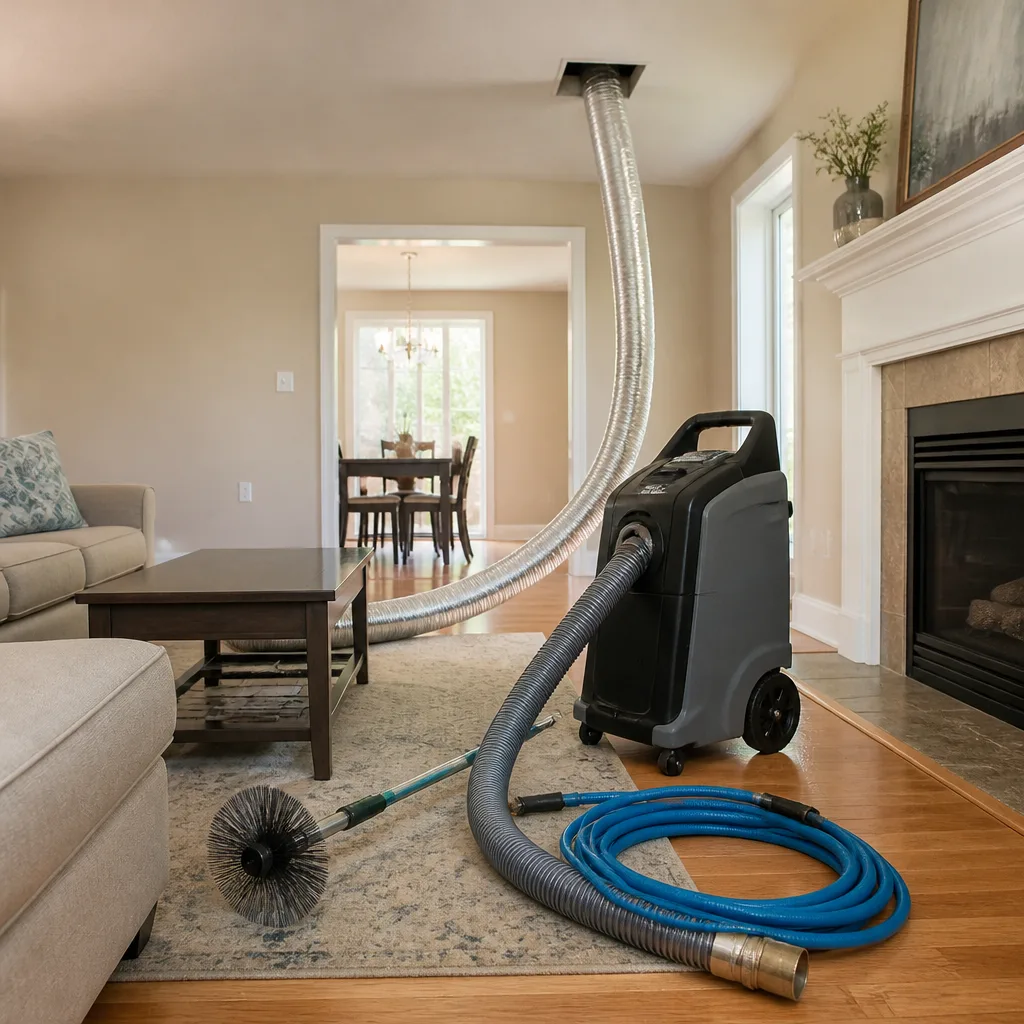 Whole-home duct cleaning
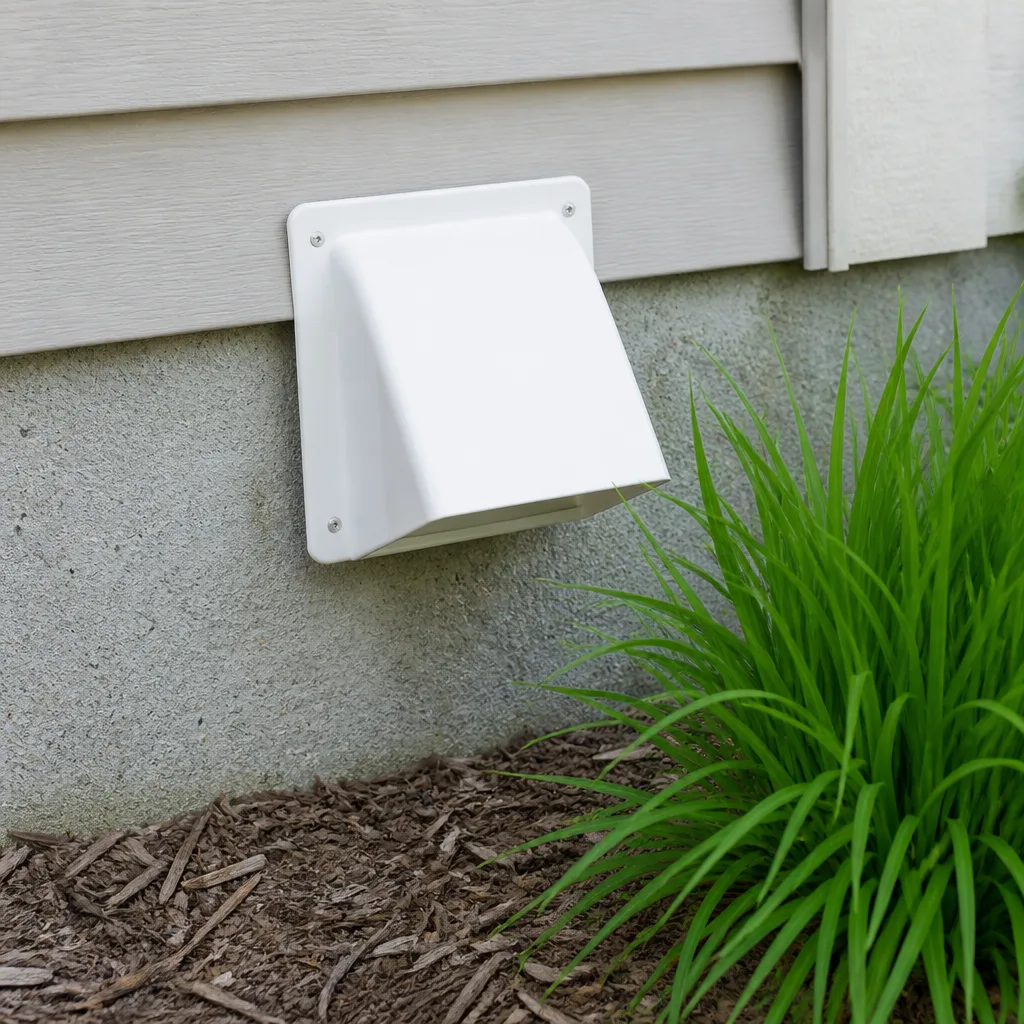 Dryer vent cleaning
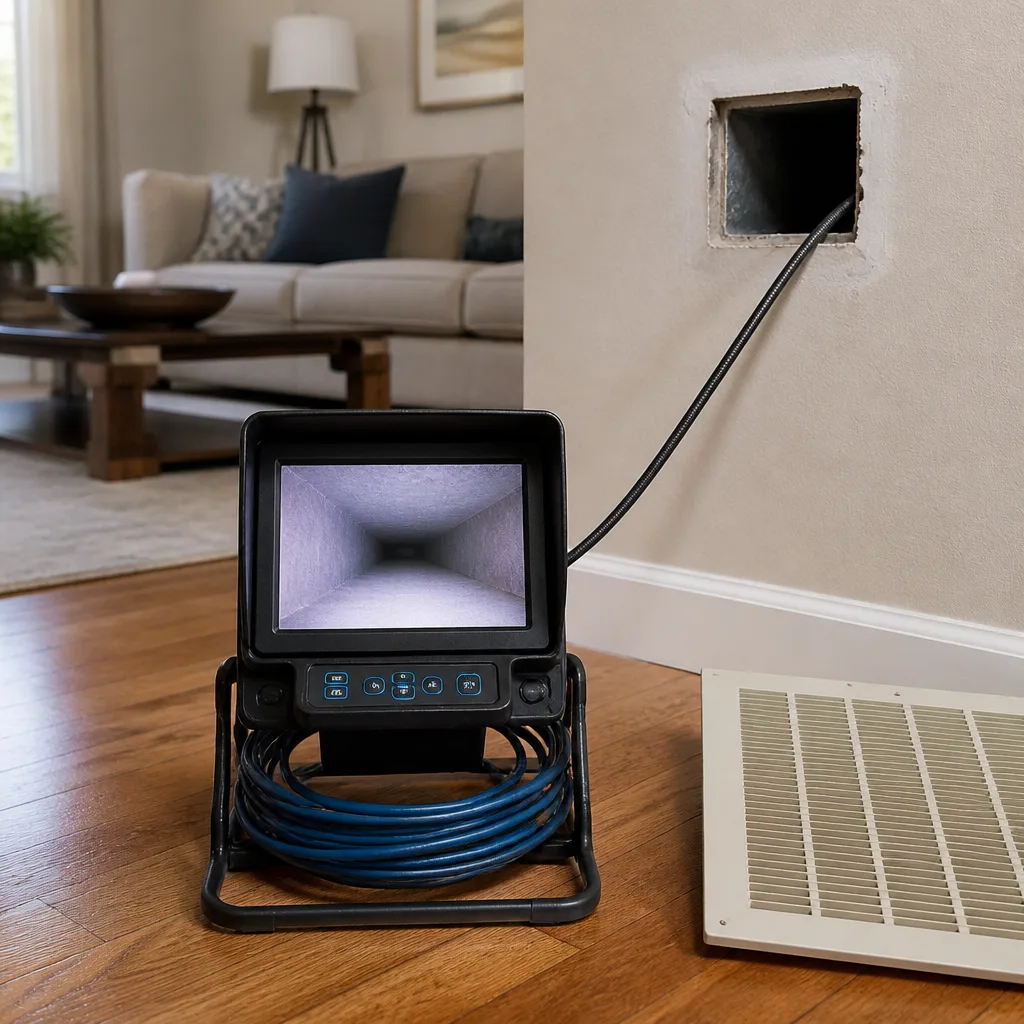 Camera inspection
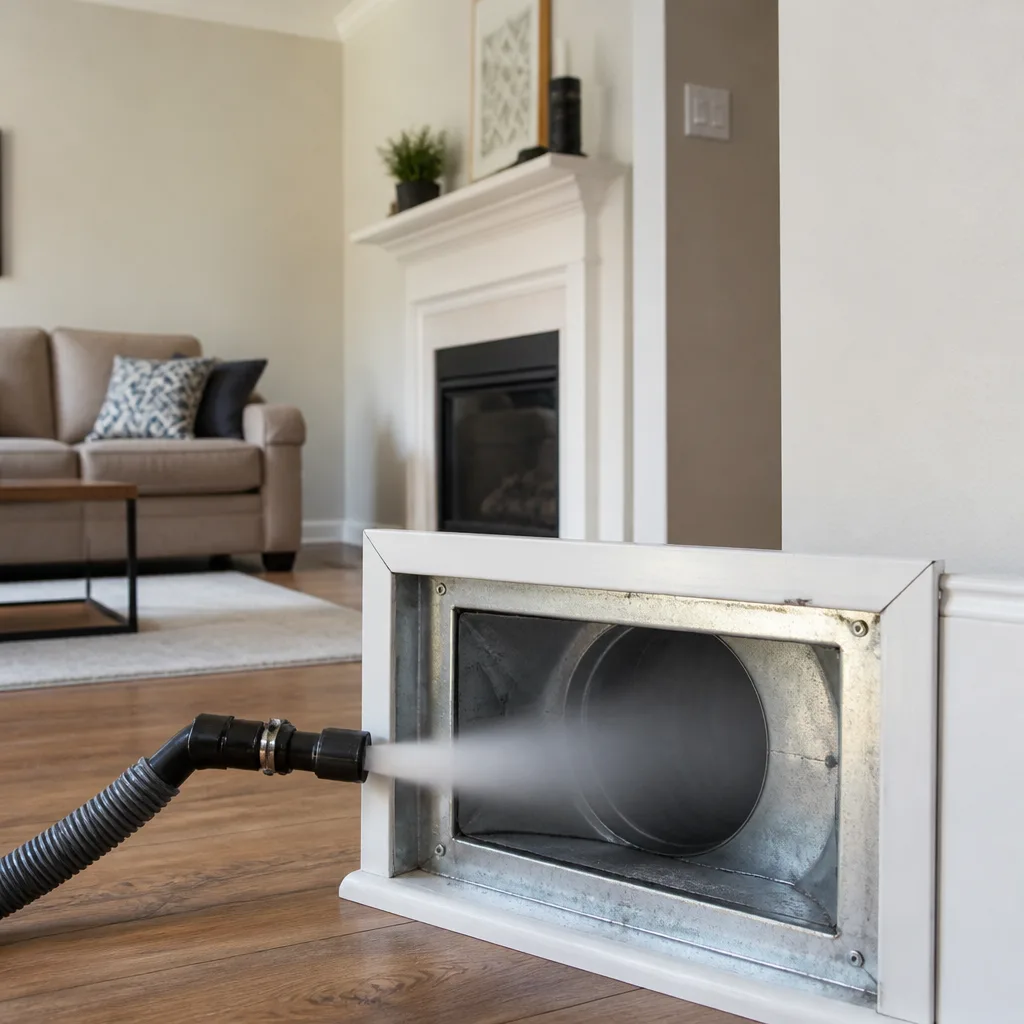 Sanitizing & deodorizing
Whole-system duct and dryer vent check with before-and-after photos - you see exactly what came out of your vents
That "$99 whole-house special" is a bait ad - the real number appears once they are in your hallway, or the "clean" is a shop-vac at the register. We photograph the inside of your ducts before and after instead.
Air Duct Cleaning Warning Signs: A West Brighton Homeowner’s Reference Guide
Dust puffing out of a supply register when the furnace kicks on looks like a duct cleaning problem. Most of the time it isn’t. It’s usually a filter bypass problem, and running a cleaning before that bypass is fixed just resets the clock: the same dust comes back within a few months. That distinction sits at the heart of this guide. We’ve walked through homes across West Brighton where the ducts were spotless and the real issue was a gap at the air handler, and we’ve seen the reverse too. What follows separates the signs that mean routine maintenance is overdue from the signs that point to a system problem cleaning alone won’t solve. You’ll learn how to read your own registers, classify odors, spot airflow imbalance, and inspect accessible duct runs with a flashlight before you call anyone.
Quick Answer
Air duct cleaning warning signs fall into two categories. Routine-maintenance signs include visible dust on supply registers, a musty smell when the system starts, and a filter that darkens faster than usual. System-problem signs include dust blowing from supply registers at startup (filter bypass), rooms that never heat or cool evenly (duct leakage or blockage), burning or chemical odors (component or electrical issues, not debris), and debris concentrated at return grilles (upstream fouling at the air handler or evaporator coil). Cleaning fixes the first group. The second group needs diagnosis and often repair before cleaning makes sense.
Styles & brands we work with
- Whole-home duct cleaning
- Dryer vent cleaning
- Camera inspection
- Sanitizing & deodorizing
Table of Contents
- Supply Registers vs. Return Grilles: What the Debris Location Tells You
- Odor Classification: Musty, Burning, and Chemical Smells
- Airflow Imbalance as a Duct Integrity Warning Sign
- How to Self-Inspect Accessible Duct Runs Before You Call
- Signs the Problem Is Upstream at the HVAC Unit
- Filter Condition and Bypass: The Most Overlooked Sign
- What West Brighton Homes Face Through the Seasons
- When to Call a Professional
Supply Registers vs. Return Grilles: What the Debris Location Tells You
Where the dust collects is diagnostic. Debris at supply registers means contamination is downstream of the air handler, pushed out by the blower. Debris at return grilles means contamination is upstream, sitting between the return and the air handler, close to the equipment that’s pulling it in. Those two patterns call for different scopes of work.
Supply-side debris is the more common pattern in West Brighton homes we inspect. It usually means the ducts themselves have accumulated dust over years of service and the blower is pushing it out into rooms. A whole-system air duct cleaning with a rotary brush and negative-pressure vacuum handles that. It’s the pattern most homeowners expect when they call, and it’s the one most cleaning quotes address.
Return-side debris is different. If the return grille has a thick mat of dust and lint but the supply registers look relatively clean, the contamination is concentrated near the air handler. Cleaning the returns without addressing the source (usually a fouled evaporator coil or an accumulated blower wheel) pulls out debris but doesn’t stop the buildup. In our experience, that scenario needs HVAC cleaning at the unit, not just duct brushing.
- Dust concentrated at supply registers: downstream contamination, duct cleaning is the right scope.
- Dust concentrated at return grilles: upstream contamination, inspect the air handler and coil first.
- Debris at both: whole-system contamination, cleaning plus inspection and repair.
- Debris only in a few rooms: localized duct damage, joint separation, or a disconnected run.
One more pattern worth documenting: debris confined to a single room or hallway often points to a specific segment of ducting that’s come loose at a joint. That’s a repair finding, not a full-house cleaning job. If you want to walk that distinction through with someone who inspects these systems regularly, a professional-grade cleaning visit starts with a full-system assessment. We use Rotobrush and Nikro equipment for the cleaning itself, and when we find a broken joint or a disconnected run, the repair and sealing happens on the same visit.
Odor Classification: Musty, Burning, and Chemical Smells
Not every smell in the ductwork means the same thing, and treating a burning odor like a musty one wastes time and money. Here’s how we classify the three main patterns.
Musty odor
A musty, damp, or earthy smell when the system starts usually points to moisture and microbial growth somewhere in the air pathway. In West Brighton, that’s more common in basements, crawlspaces, and closets where supply or return ducting runs through unconditioned or damp spaces. Condensate from the evaporator coil can also pool in the drain pan when the drain line clogs, creating the same smell near the air handler. A cleaning plus treatment with Guardsman and Abatement Technologies products handles the growth itself; the underlying moisture source needs to be identified or the problem returns.
Burning odor
A burning smell is not a duct cleaning issue. It points to an HVAC component: a blower motor overheating, a heat exchanger with a problem, wiring insulation degrading, or dust burning off the furnace’s heat exchanger on the first cold-weather startup of the season (that last one is brief and fades). A persistent burning smell should trigger a call to an HVAC technician before anything else. Duct work doesn’t do this, and cleaning the ducts won’t fix it.
Chemical or solvent odor
A chemical or solvent smell can indicate off-gassing from materials installed or stored in the home, refrigerant leaks near the coil, or (in commercial spaces) chemical off-gassing pulled into the return. In a residential setting, refrigerant is the highest priority to rule out. If the smell appears only when the system runs, that’s a sign the source is being pulled through the return.
- Musty: moisture and microbial growth, cleaning plus sanitizing applies.
- Burning: HVAC component issue, call an HVAC technician first.
- Chemical: off-gassing or refrigerant, identify the source before cleaning.
- Odor only in one room: localized duct damage or dead air space, inspect that run.
Airflow Imbalance as a Duct Integrity Warning Sign
Every home has rooms that are harder to heat or cool than others. The instinct is to blame the system’s size or the thermostat location. Sometimes that’s right. Often, though, the imbalance points to duct integrity: leaks at joints, disconnected runs, crushed flex duct, or a partially closed damper somewhere along the path. Those are duct problems, and cleaning won’t fix them.
Here’s a simple test. On a day when outdoor temperatures are moderate, run the system for fifteen minutes with all room doors open, then feel the airflow at each supply register with your hand. The paper-towel test works too: hold a single square of paper against each register and see how far it flutters. If one register is dramatically weaker than the others, that run is suspect.
What we look for in West Brighton homes:
- A register that barely moves air at all (a collapsed or disconnected run is likely).
- One or two rooms that are consistently 5-10 degrees off from the rest of the house.
- Whistling or whooshing at a register (a sign of a partially closed damper or a crushed section).
- Dust streaks at the register face (air leaking around the boot rather than through it).
If the problem is a disconnected or leaking run, cleaning the system and leaving the ducting as-is just delivers the problem to the next occupant. Duct repair and sealing on the same visit fixes the leak, restores balance, and lets the cleaning actually mean something. That’s the practical reason we handle repair and sealing in-house: it’s the same visit, the same technician, and one fewer contractor for the homeowner to coordinate.
How to Self-Inspect Accessible Duct Runs Before You Call
You don’t need any special tools to document visible contamination before you call a professional. A working flashlight and a phone camera are enough for most accessible runs. Here’s the routine.
- Start at the supply registers. Remove one register faceplate (usually two screws, or a friction fit) and shine the flashlight into the opening. Photograph what you see. A light dust film is normal; a matted layer, visible debris, or a dark stain on the duct wall is not.
- Check the return grille and the duct behind it. The return is where most of the dust in the house collects because the air is moving toward the blower. Look for a thick mat or a coating that fills the duct’s internal area.
- Inspect any accessible flex or rigid runs. Basements, crawlspaces, attics, and closets often expose a length of duct. Look for crushed runs, disconnected joints, sagging, or visible condensation on the duct surface.
- Photograph the air handler cabinet and filter slot. A photo of the filter and the filter slot together is often the most revealing image in the set. It shows whether the filter is properly seated and whether dust is bypassing its edges.
- Note the room each photo came from. Label the photos when you take them. The location is half the diagnostic value.
Contractors who ask to see your photos before arriving save everyone a step. Contractors who arrive without wanting to see the whole system, only the areas they clean, aren’t diagnosing anything. In West Brighton homes, the visible runs are often limited (basement or utility closet), so the photos of the registers and the filter slot tend to carry the most weight.
Signs the Problem Is Upstream at the HVAC Unit
Some warning signs live at the equipment, not in the ductwork. These are the ones a homeowner can spot without disassembling anything.
Evaporator coil fouling
The evaporator coil sits in the ductwork path between the return and the supply side. When it’s fouled, the system’s cooling capacity drops, the coil ices up, or the condensate pan fills faster than the drain lines can handle it. The visible signs from inside the home: reduced cooling, longer runtime in summer, or a wet smell near the air handler cabinet. Cleaning the ducts without cleaning the coil leaves the source of the return-side dust intact.
Blower wheel accumulation
A blower wheel collects dust on its fins over time, especially when a filter bypass is letting debris past. Heavy accumulation reduces airflow even when the ducts are clear. If airflow feels weak at almost every register, the first item to rule out is the filter (seated properly, not overdue) and the second is the blower wheel.
Filter slot gaps and bypass
A filter that sits loosely in its slot lets unfiltered air past it, and specifically past the edges rather than through the filter media. That’s the bypass we mentioned up top, and it’s the reason dust puffs from a register in an otherwise clean duct system. In West Brighton, we see it most in older homes with a filter slot sized for a thinner filter than what’s actually installed, or a slot where the previous filter’s cardboard frame left a gap.
Condensate and drain issues
A clogged condensate drain line can back water into the pan, then into the surrounding cabinet and ducting. If you see water in the pan, standing moisture at the cabinet base, or a musty smell starting at the air handler and fading the further you get from it, the drain is the first thing to check. That’s required before any cleaning is worthwhile. Fixing it after cleaning is the right sequence.
Filter Condition and Bypass: The Most Overlooked Sign
Filter condition gets treated as routine maintenance (change it every few months and move on), but a filter’s condition is also a diagnostic. Two patterns matter.
First, a filter that darkens faster than it used to usually means more debris is entering the return than before. Sources can be renovations, pets, a newly dusty basement, or cracks in the return ducting that pull in uncontrolled air. In each case, the question is why the load went up, not just how to clean the filter more often.
Second, a filter sitting loosely in its slot is bypassing air. That’s the case where the filter looks clean but dust still collects on the blower wheel and the supply registers. The filter media is fine; the frame isn’t sealing. Honeywell and Aprilaire filter housings and grilles are designed to seat a filter firmly against the frame, which is one reason we install them: the seal is what captures the debris that would otherwise bypass a loose filter and coat the blower and ductwork downstream.
If your filter is dark after two or three months of normal use, check the edges of the filter in its slot before you clean the ducts. If the edges are clean but the filter face is dark, the filter is doing its job. If the edges are as dark as the face, or the filter slides easily in the slot, bypass is likely and cleaning the ducts without fixing the slot will reset the same problem.
What West Brighton Homes Face Through the Seasons
West Brighton’s cold winters and humid summers put a specific load on residential duct systems. Winter heating runs long, which means the furnace moves a lot of air through the same ductwork for months, and any accumulation gets pushed out harder. Summer cooling drives higher return-side humidity through the evaporator coil, which is where the musty smells tend to start when the coil is fouled or the drain is slow.
Older housing stock common in West Brighton is where a lot of the visible findings show up: ducting retrofitted into walls and basements long after original construction, often with mixed materials (rigid sections joined to flex) and seals that have aged. The leakage that develops at those joints is often invisible until you look for it. Old filter slots in these systems are usually undersized for modern filter depths, which is where bypass starts.
The practical takeaway: a cleaning schedule that works for a newer home may be too long for an older West Brighton home, because the duct system itself is doing more of the work in the older homes. Inspection during cleaning tells you more than a calendar does. If a contractor from a neighboring town is cleaning only the registers and skipping the returns and the air handler, you’re not getting a whole-system job, and that matters more here because of the retrofitted ducting.
Common Mistakes to Avoid
- Cleaning the ducts before fixing a filter bypass. This is the most common one we see. The dust that puffing registers are pushing into rooms comes back within a few months if the bypass isn’t corrected, and you’ve paid twice.
- Assuming a burning smell is a duct issue. It isn’t. That’s an HVAC component call, and treating it as a cleaning job wastes time and leaves the actual issue unaddressed.
- Cleaning supply-side only. Returns and the air handler cabinet need to be part of the job. If the contractor’s quote stops at the supply registers, ask what’s happening at the return side and the coil.
- Ignoring one weak register. Airflow imbalance in one room is more often a duct integrity finding than a cleaning one. Cleaning without repair leaves the imbalance in place.
- Skipping the dryer vent because it’s “outside the duct system.” It’s a separate line but the same failure mode (lint buildup, blocked airflow). Dryer vent cleaning is a fire-risk reduction step, not a sales add-on.
- Hiring on price alone when the quote sounds suspiciously low. A quote that includes only the registers, doesn’t address the returns, and doesn’t state a scope of work is worth less than the paper it’s written on. Ask what the equipment is and what’s being cleaned.
- Skipping the photo documentation. Before-and-after photos of the actual ducts and returns are the way to confirm the work happened. Ask for them; reputable contractors take them anyway.
When to Call a Professional
Call a professional if you see any of the following: dust puffing from a supply register at system startup, a thick mat of dust behind a return grille, musty odor starting from the air handler and fading with distance, one room that’s consistently much harder to heat or cool, or debris visible inside an accessible duct run that fills more than a light film. Call an HVAC technician first (not a duct cleaner) if you have a burning odor, water standing in the condensate pan, or the system is failing to cool in summer. If the smell is chemical and appears only when the system runs, rule out refrigerant before any cleaning.
Air Duct Cleaning West Brighton offers free estimates in West Brighton. Call (877) 699-0106.
See the difference
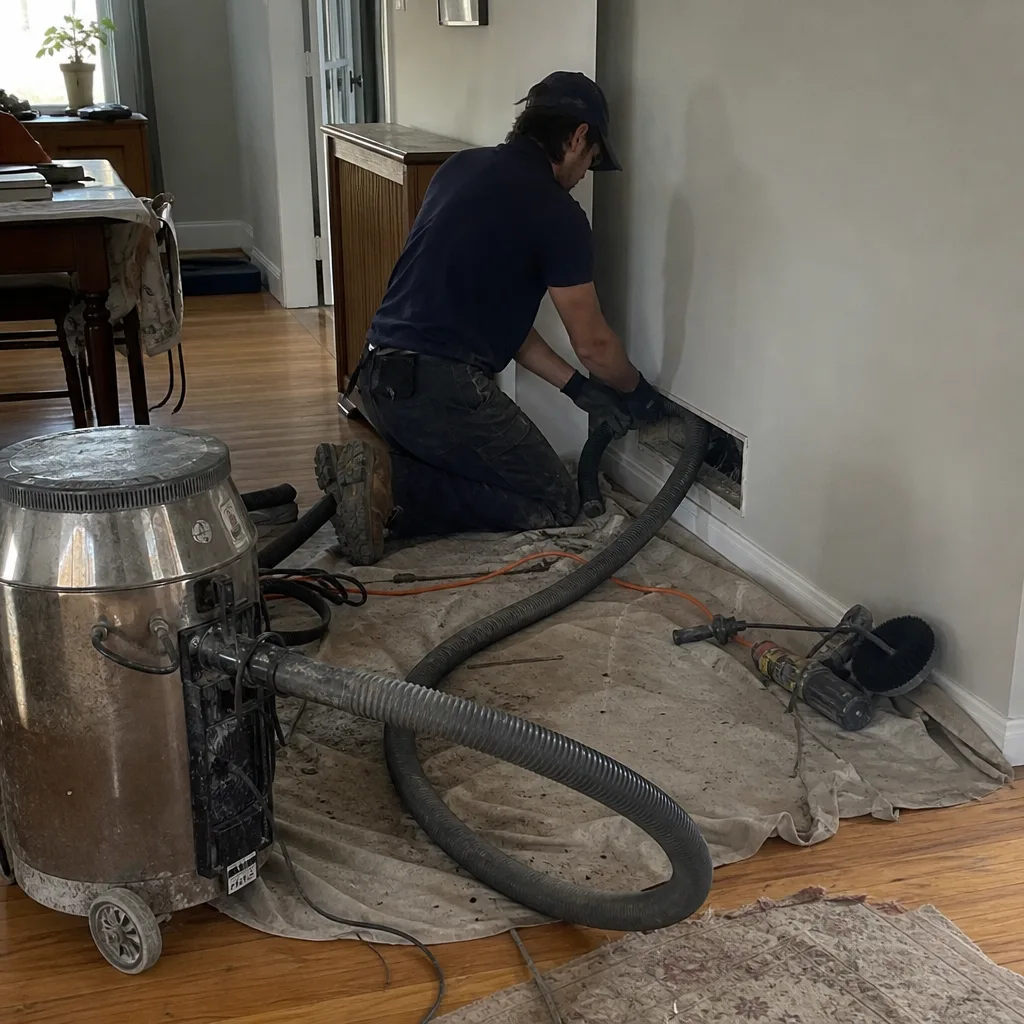 Before
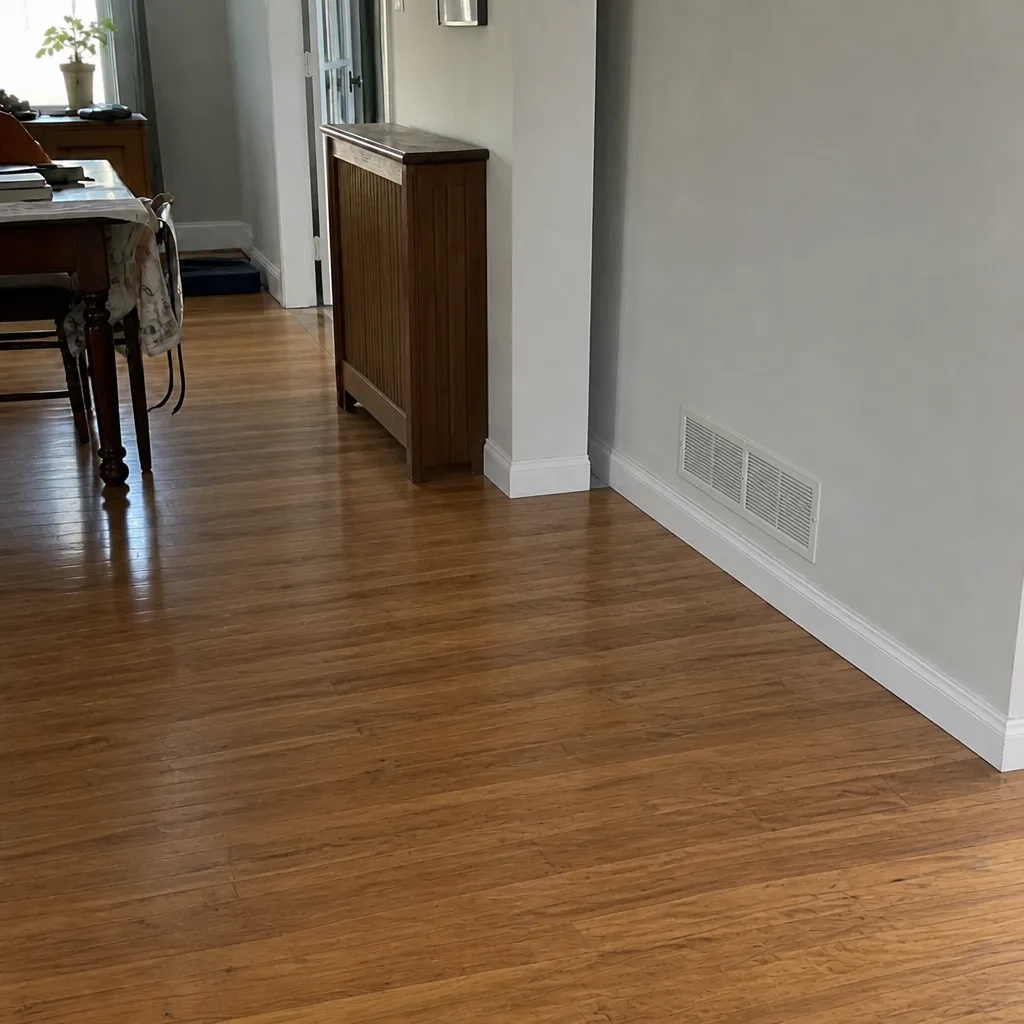 After
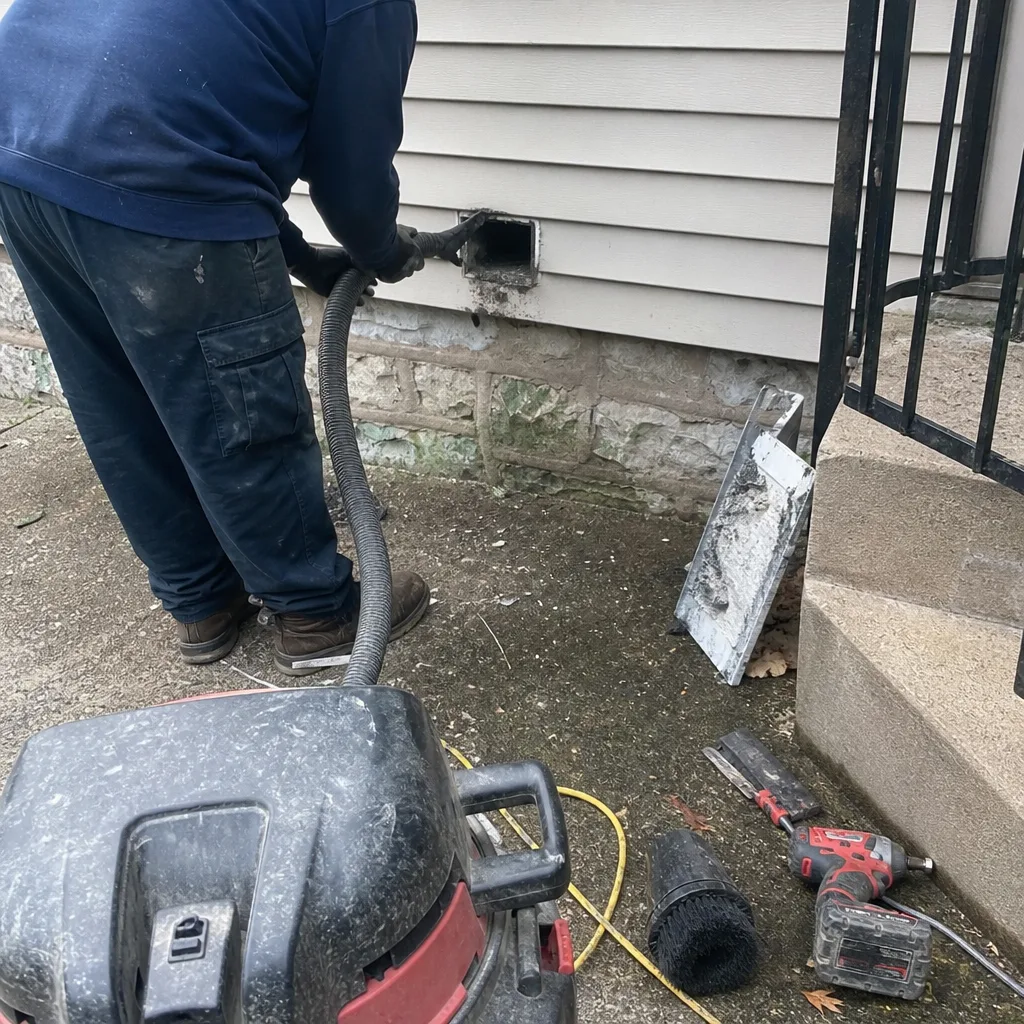 Before
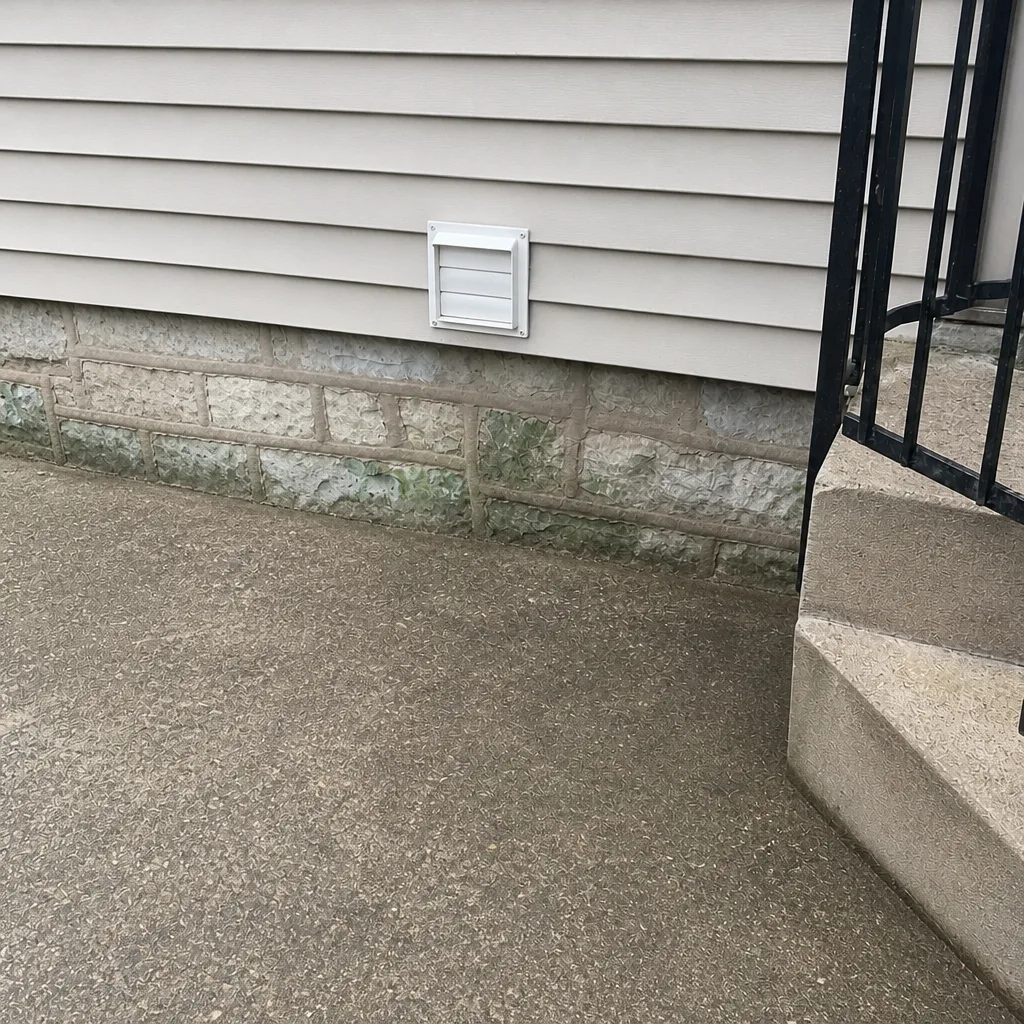 After
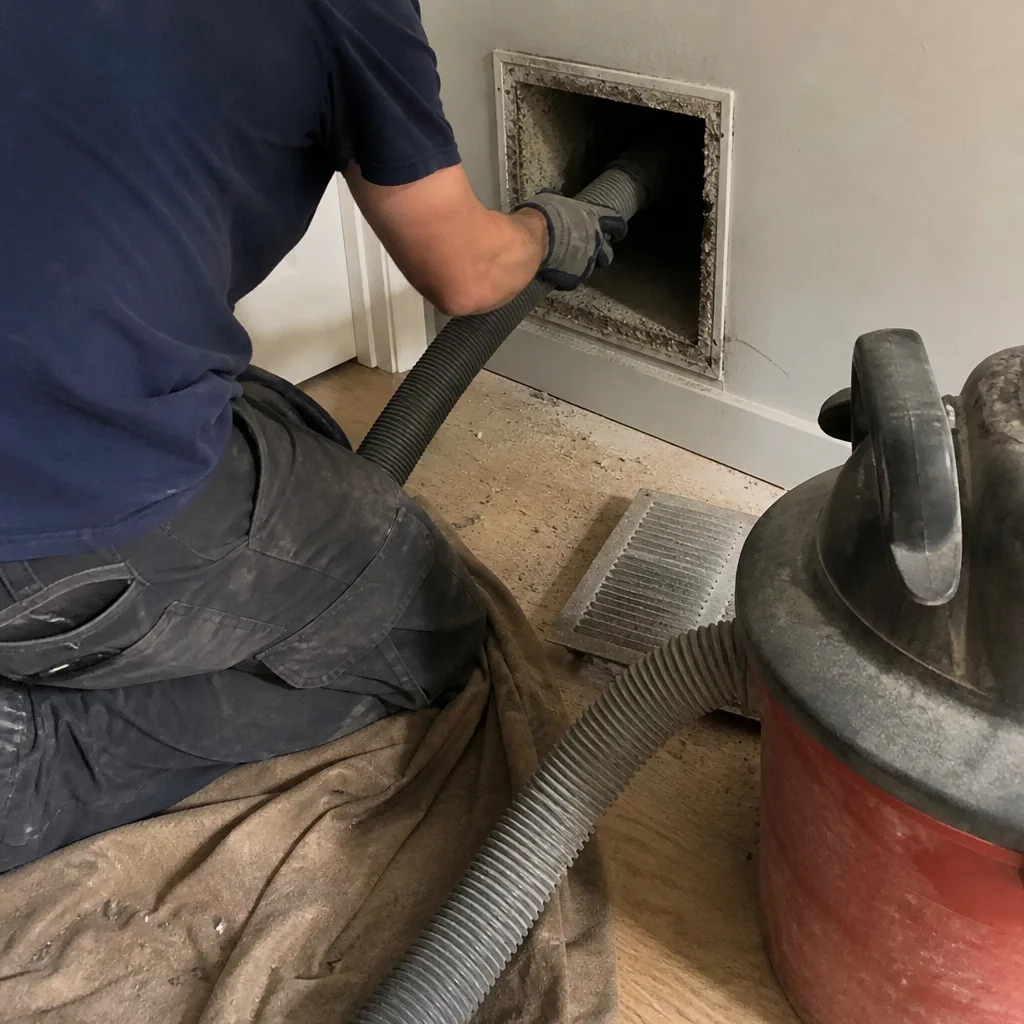 Before
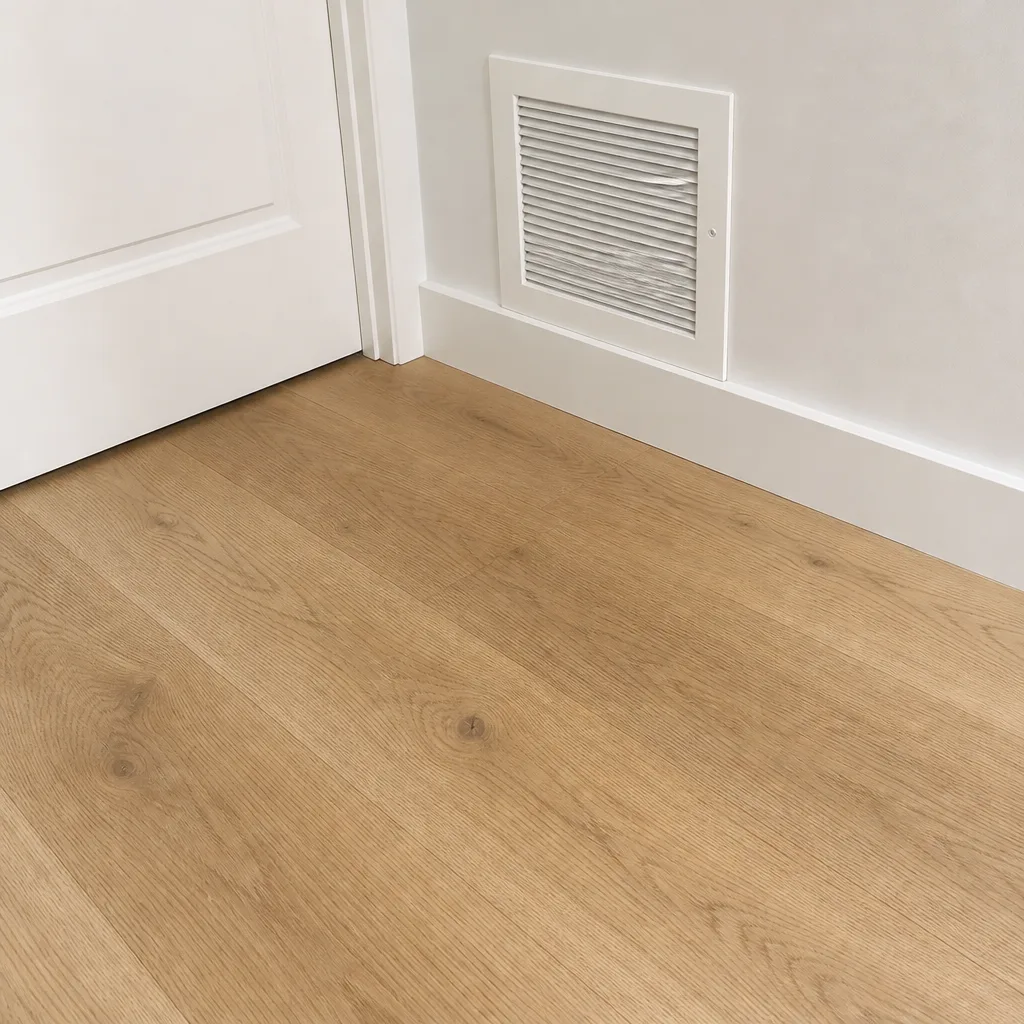 After
Frequently Asked Questions
Most West Brighton homes need a whole-system cleaning roughly every three to five years, but the schedule depends on what’s in your system, not a calendar. Homes with pets, recent renovations, or older retrofitted ducting often need it sooner. Homes with newer, well-sealed ducting and a properly seated filter can go longer. The right answer comes from inspection, not a fixed interval. Call (877) 699-0106 for an exact quote.
Ask for before-and-after photos of the actual ducts, returns, and air handler cabinet, not just the register faceplates. A contractor using professional-grade equipment (Rotobrush, Nikro, or Abatement Technologies) takes photos as part of the job documentation. Compare photos of the same location before and after. If the contractor can’t or won’t produce them, that’s the answer. Call (877) 699-0106 for a free estimate.
Usually because the scope is smaller. A quote that covers only the supply registers and skips the returns, the air handler, and the evaporator coil isn’t cleaning the whole system. And a quote that doesn’t include proper equipment (a shop vac and a brush is not professional equipment) can’t remove what’s actually stuck to the duct walls. The price you’re quoted should reflect the whole air pathway from the HVAC unit to the last vent. Call (877) 699-0106 for an honest whole-system estimate.
Sometimes, but not usually by itself. A cold room that’s the only one affected is more often a duct integrity problem (a disconnected, crushed, or leaking run) or a damper issue than a cleaning issue. Cleaning restores airflow in the ducts, but it doesn’t reconnect a disconnected run. The repair and sealing step is what fixes the imbalance. Call (877) 699-0106 for a free estimate that includes inspection.
No. A musty smell usually points to moisture and microbial growth somewhere in the air pathway, and that can be the ducts, but it can also be the evaporator coil, a slow condensate drain, or the cabinet around the air handler. In West Brighton, where humid summers are normal, the coil and drain are common sources. Cleaning plus sanitizing helps when the ducts themselves are the location, but the moisture source has to be corrected or the smell returns. Call (877) 699-0106 for a free estimate.
Yes. The dryer vent is a separate line with its own failure mode (lint accumulation), and it’s a fire-risk reduction step worth scheduling as part of the same visit. Many duct cleaning contractors skip it or offer it as an afterthought. It’s a dedicated service in our scope, and combining it with the duct cleaning visit is the practical way to handle both. Call (877) 699-0106 for a free estimate.
The Bottom Line
The useful distinction in duct cleaning isn’t “dirty or clean.” It’s whether the warning sign points to routine maintenance or to a system problem that cleaning alone won’t fix. Dust on supply registers, musty smell, and a darkening filter are the first group. Dust puffing at startup (filter bypass), airflow imbalance (duct integrity), burning or chemical odors (HVAC components), and return-side accumulation (coil and blower fouling) are the second. Read the location, classify the odor, and photograph what you can see before you call. That’s the whole guide in a paragraph. If you want a whole-system assessment that treats the air pathway from the HVAC unit to the last vent as one system, that’s the starting point for a real cleaning decision. For more on the hub, see Air Duct Cleaning West Brighton.
Reach us to schedule a free estimate: (877) 699-0106. We answer 24/7. Fast dispatch from 7am to 7pm, Sunday through Friday.
Written by the team at Air Duct Cleaning West Brighton.