
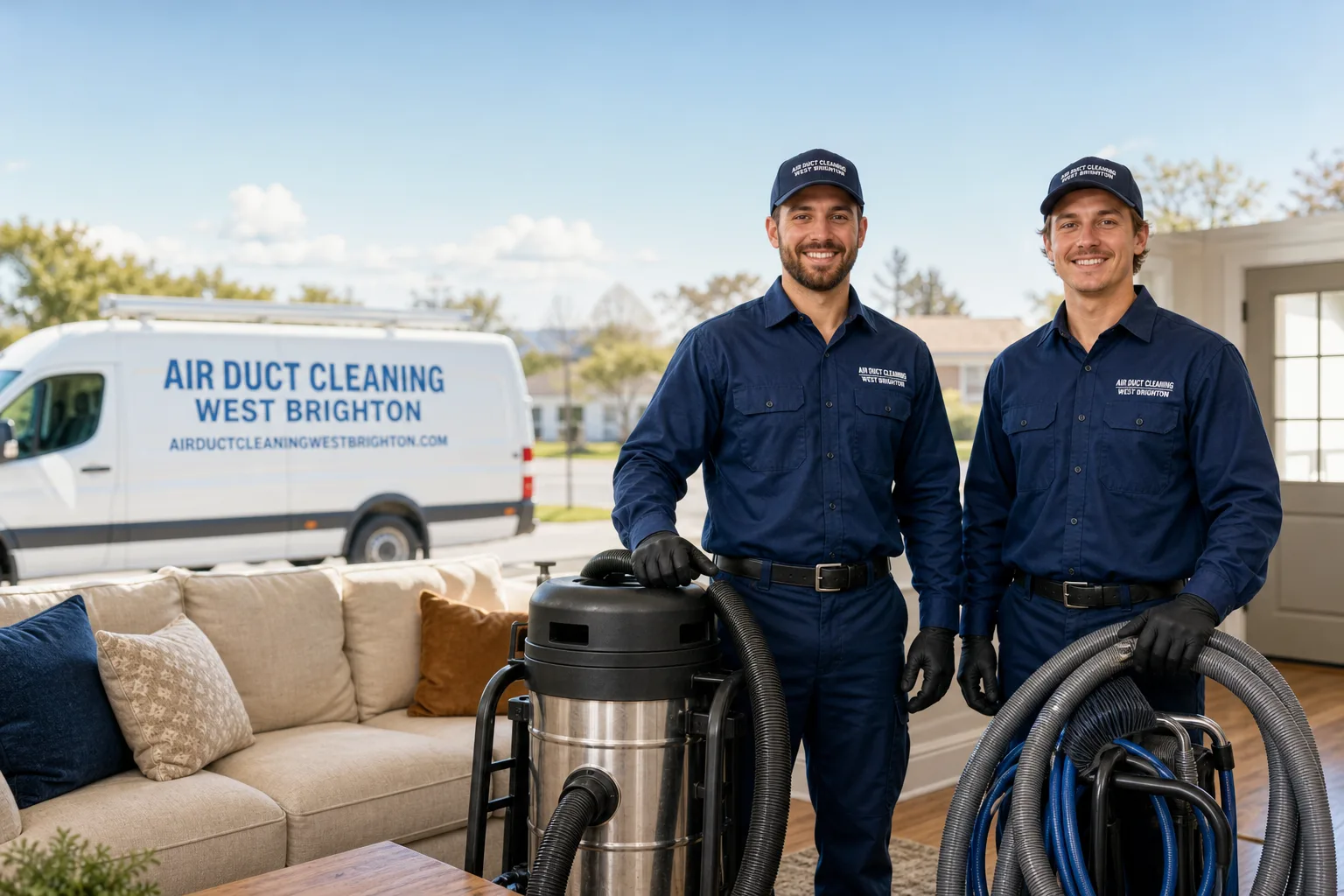
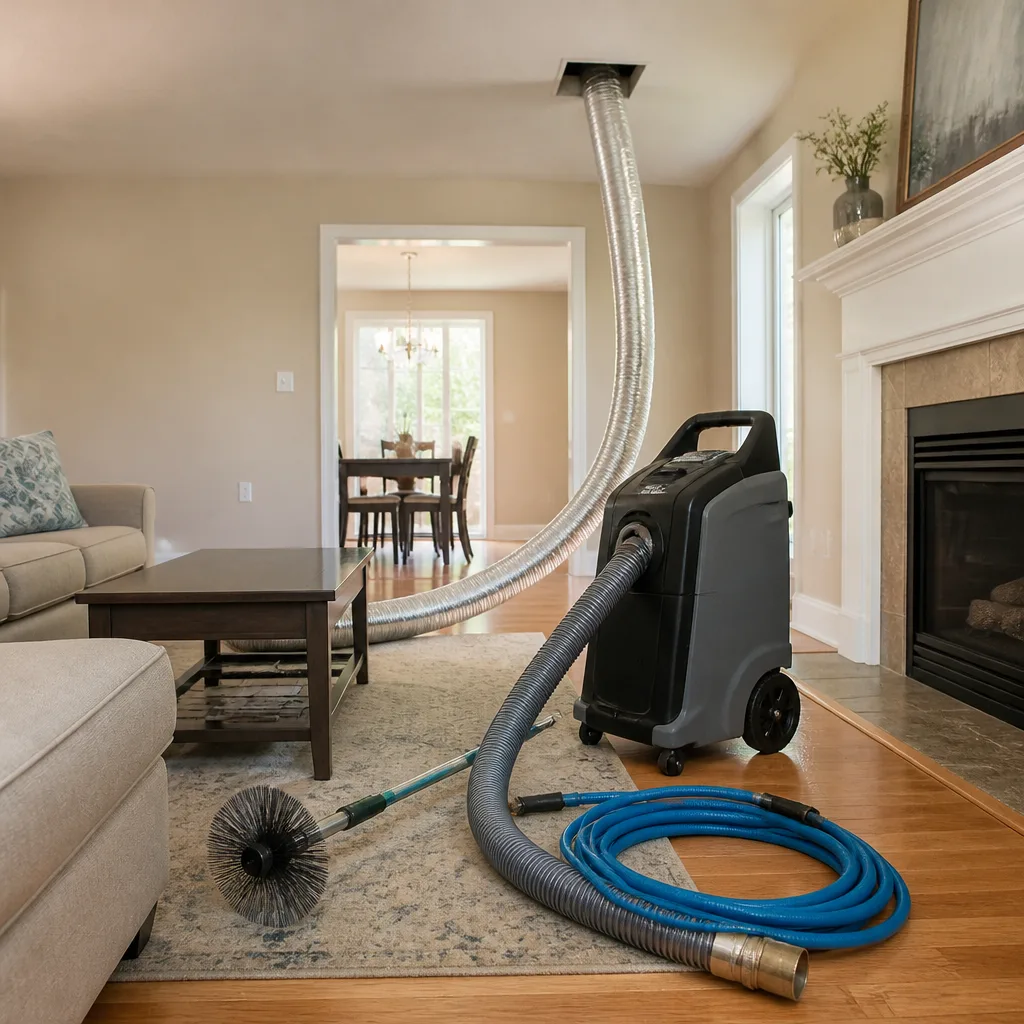
 Whole-home duct cleaning
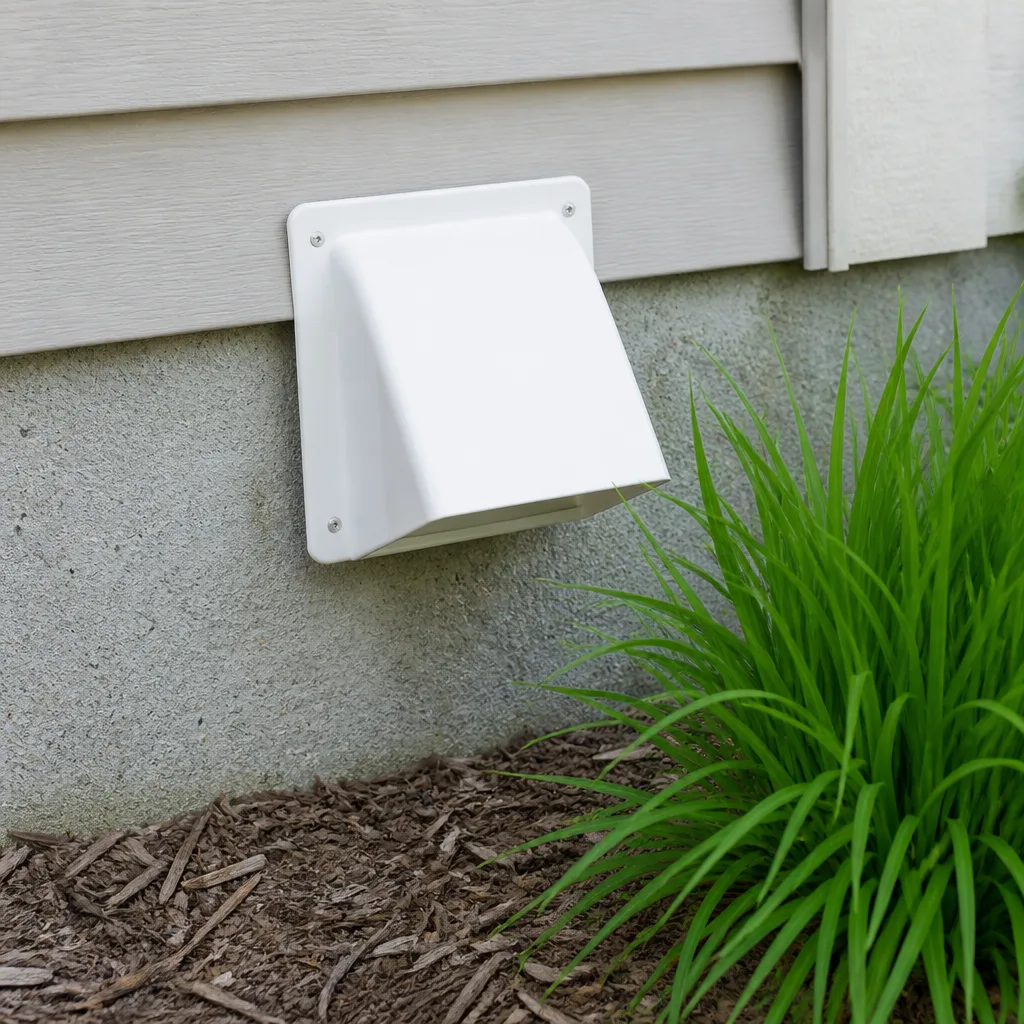 Dryer vent cleaning
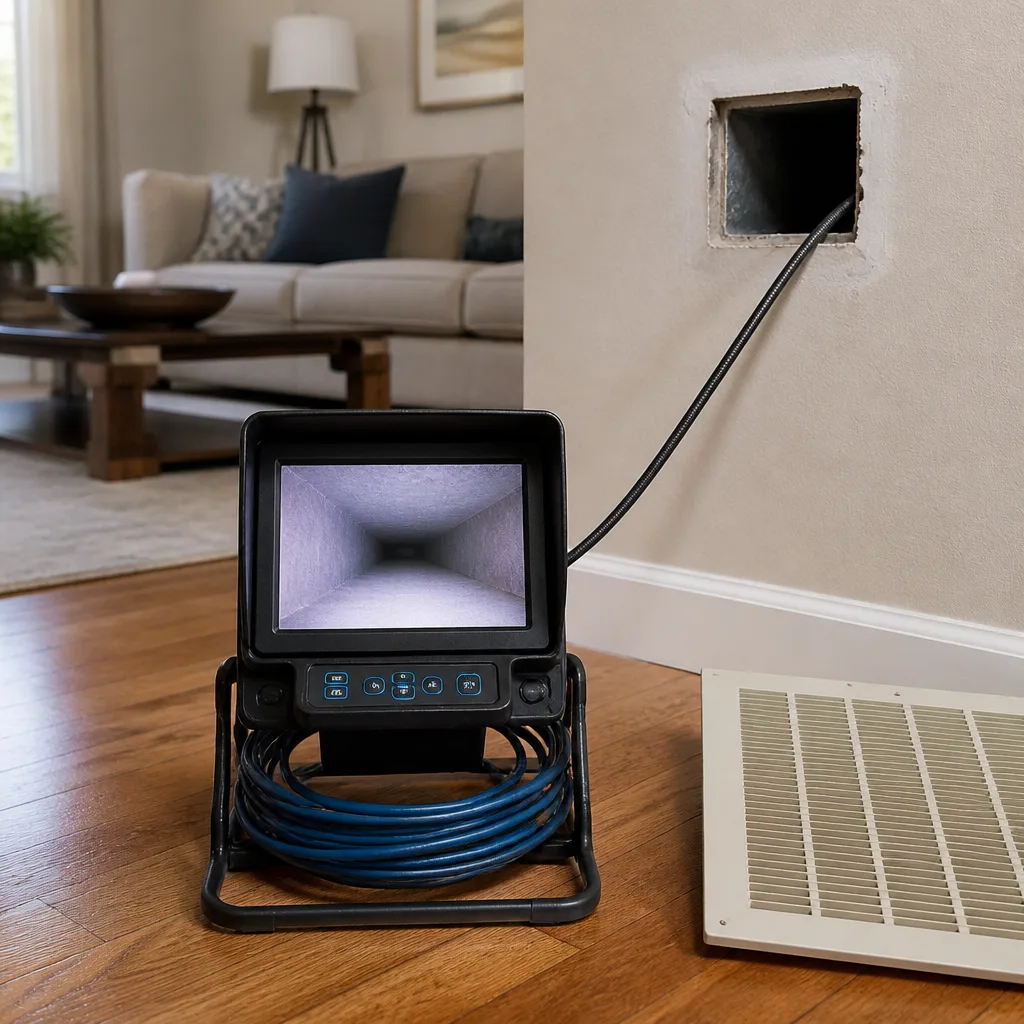 Camera inspection
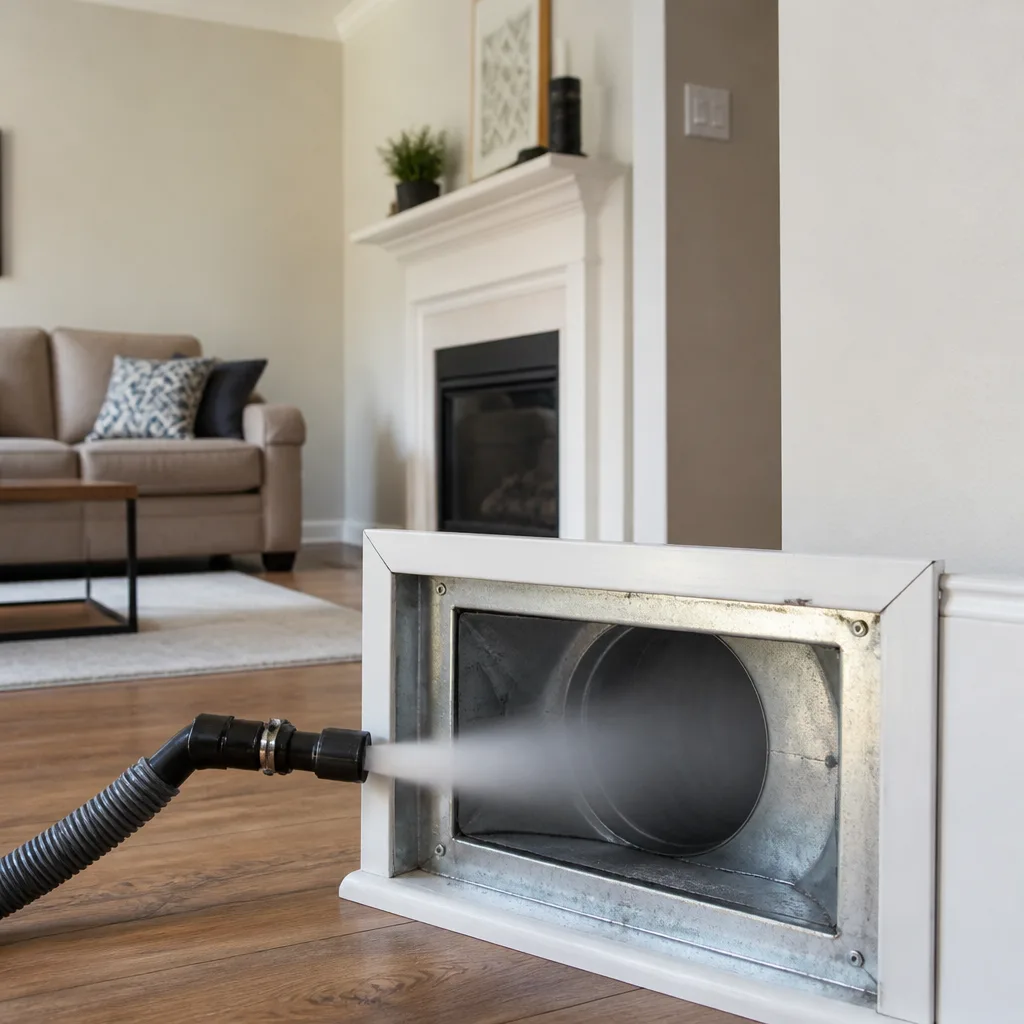 Sanitizing & deodorizing
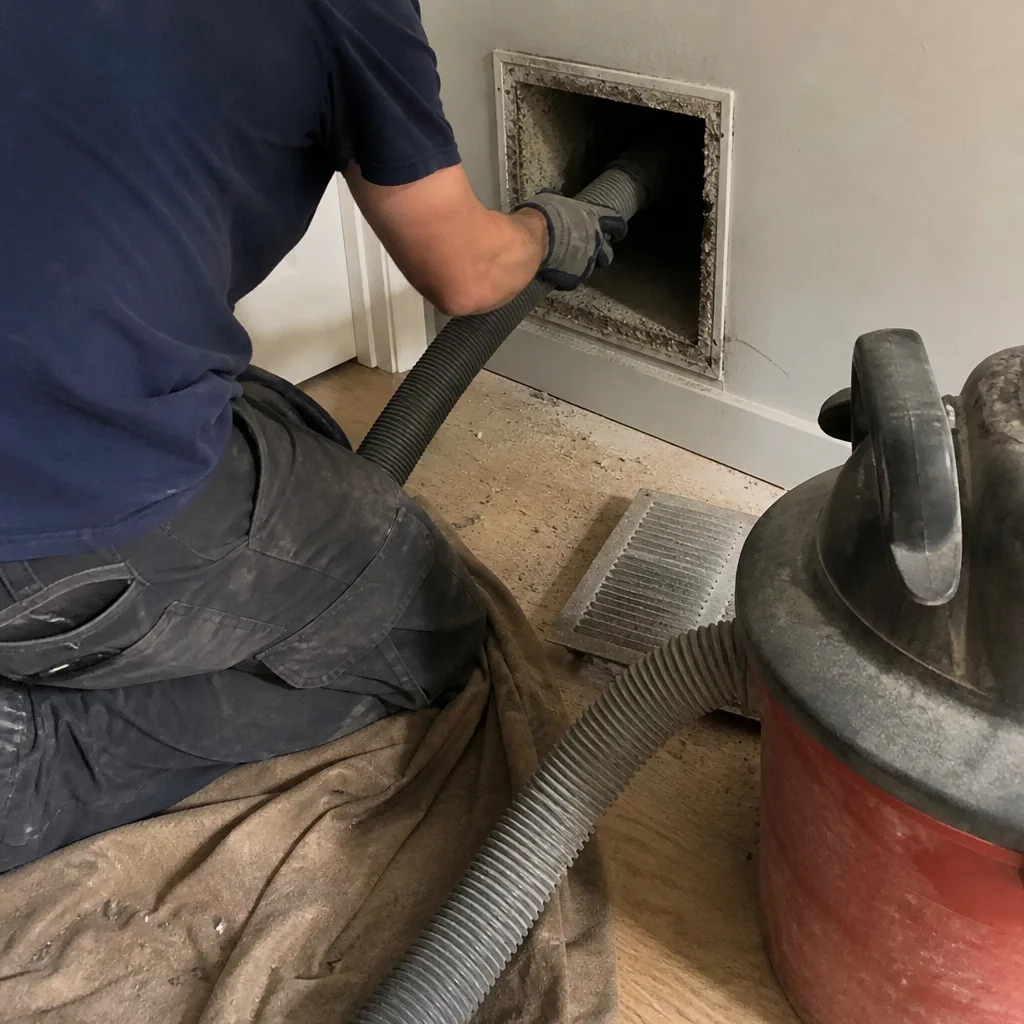
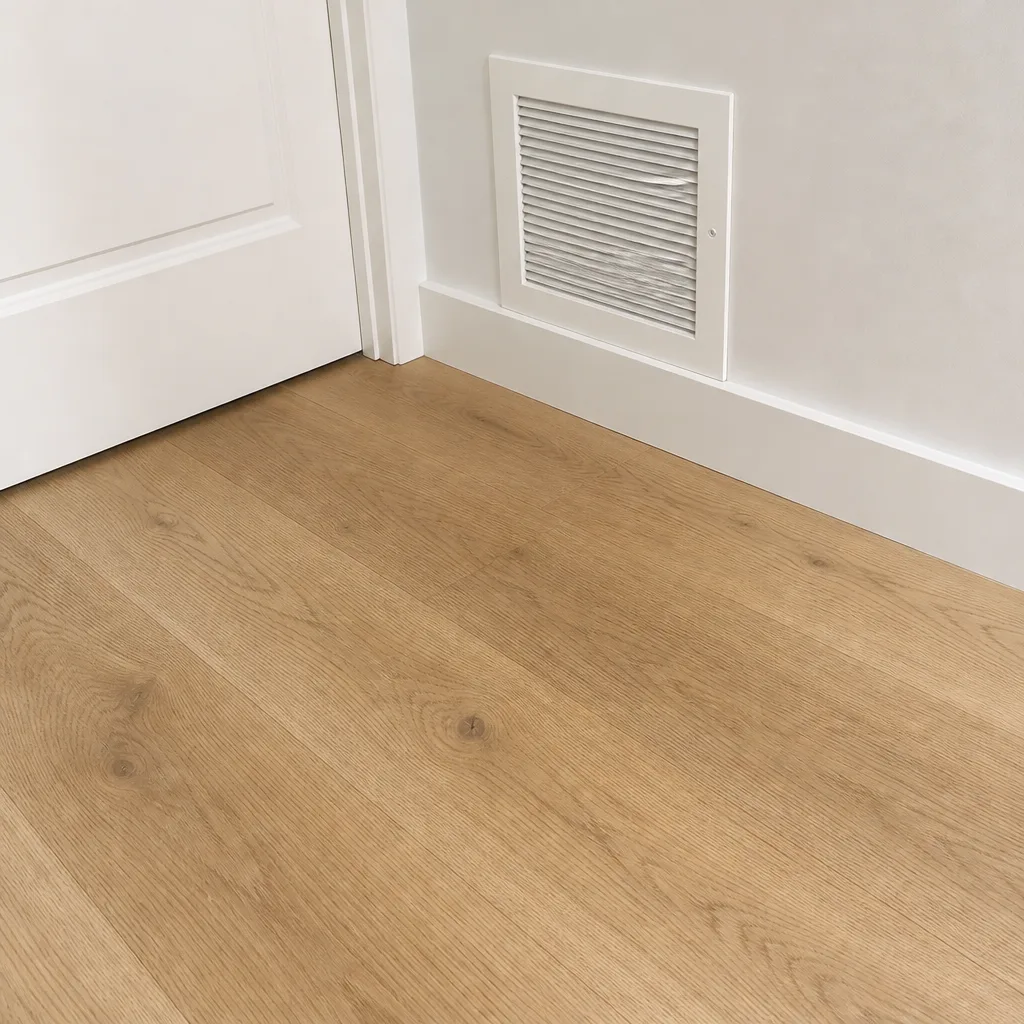
Whole-system duct and dryer vent check with before-and-after photos - you see exactly what came out of your vents
That "$99 whole-house special" is a bait ad - the real number appears once they are in your hallway, or the "clean" is a shop-vac at the register. We photograph the inside of your ducts before and after instead.
Fast, Reliable HVAC Cleaning Across Great Kills
If you live in Great Kills, your HVAC system breathes some of the wettest air on Staten Island. We clean, treat and document the whole air path, from the air handler and evaporator coil to the last supply register, so you know what’s growing in there and what it takes to fix it. Our technicians have up to 9 years of experience, and we work with professional-grade equipment from Rotobrush, Nikro and Abatement Technologies rather than shop vacs and wire brushes.
We’re familiar with this neighborhood’s particular problem: salt air, damp crawlspaces, and the post-storm silt that settles into low return trunks. Call (877) 699-0106 to book an inspection. We answer 24/7. Fast dispatch from 7am to 7pm, Sunday through Friday.
Why Great Kills Homeowners Call Air Duct Cleaning West Brighton for HVAC Cleaning
Great Kills homes get an HVAC system that spends most of the year pulling humid marine air through metal and flex ductwork that sits on a slab or over a shallow crawlspace. That’s a different cleaning job than an inland house with a dry full basement, and we treat it that way. The local pro we connect you with is licensed and insured as their state requires, and every job is quoted as one flat price per system, agreed before any work starts.
People in Great Kills call us because they’ve noticed a musty smell that doesn’t go away when they change the filter, or dark speckling on the coil fins, or they’re dealing with an insurer after water got into the lower level. We bring a camera into the system before we clean anything. That single step is what lets us tell you honestly whether your ducts can be cleaned or whether they need to come out. The pro who does the work carries Rotobrush and Nikro equipment, performs duct repair and sealing in-house instead of handing it off, and leaves before-and-after photos of your own system so you can see what changed.
We connect Great Kills homeowners with vetted local professionals, not a fleet of trucks. The estimate is free, and the written estimate is what sets the final price. Call (877) 699-0106 to schedule an inspection.
Styles & brands we work with
- Whole-home duct cleaning
- Dryer vent cleaning
- Camera inspection
- Sanitizing & deodorizing
Our HVAC Cleaning Services in Great Kills
HVAC cleaning here means more than ducts. It’s the coil, the blower, the air handler cabinet and the condensate path, cleaned as one system. These are the services that matter most in Great Kills, and you can see the full scope on our HVAC cleaning page.
Evaporator Coil Cleaning
The evaporator coil is where the damp air meets cold metal, and in Great Kills it stays wet long enough to grow. Cleaning means pulling the coil under negative pressure with HEPA filtration, agitating the fins with a soft brush, and rinsing the condensate pan and drain so the coil starts dry. We look at whether the contamination is surface growth or settled silt, because those two call for different treatment.
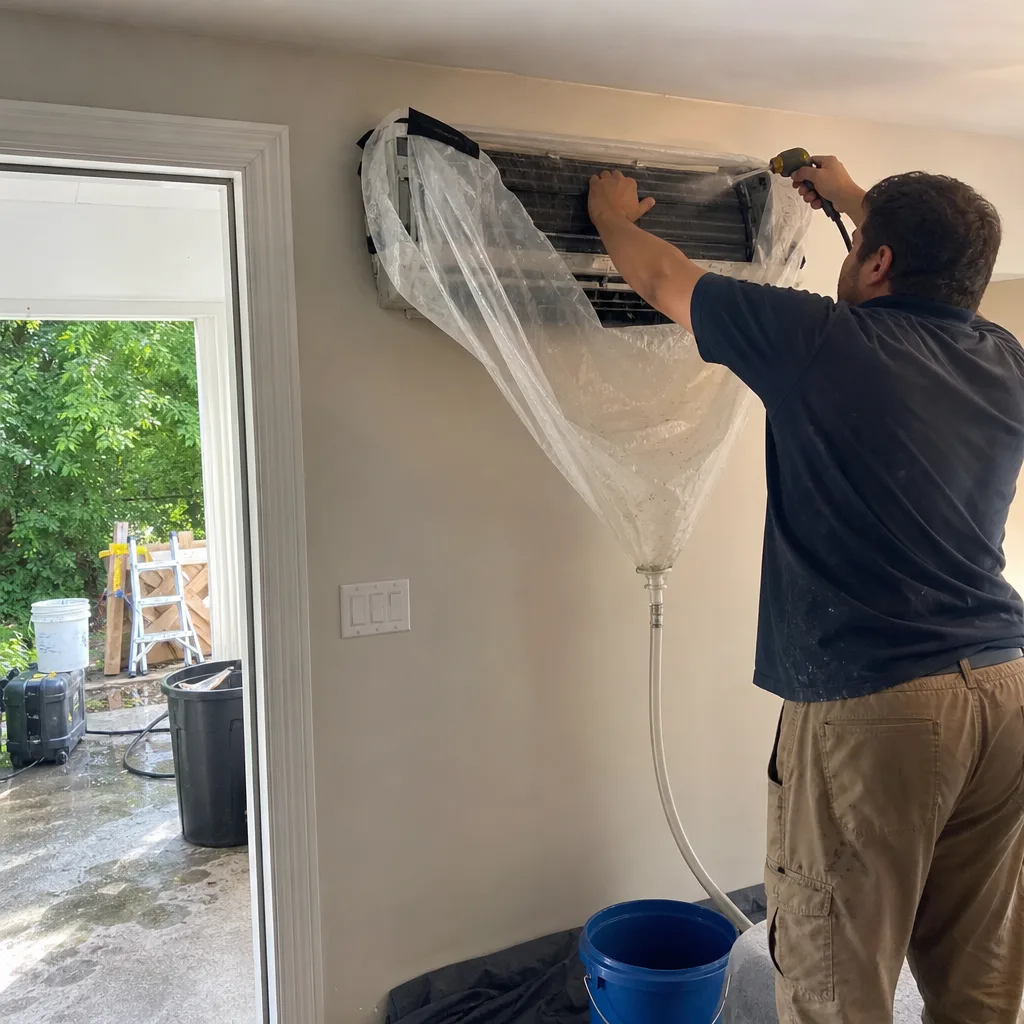
Air Handler Cleaning
The air handler cabinet holds the blower, the coil and the filter rack, and in a typical Great Kills split-level it sits in a damp crawlspace where humidity never really leaves. Cleaning the cabinet interior, the blower wheel and the insulation face is what stops debris from getting blown back into the supply ducts the moment you switch the system on. If the cabinet liner has taken on water and can’t be cleaned to a professional standard, we’ll tell you.
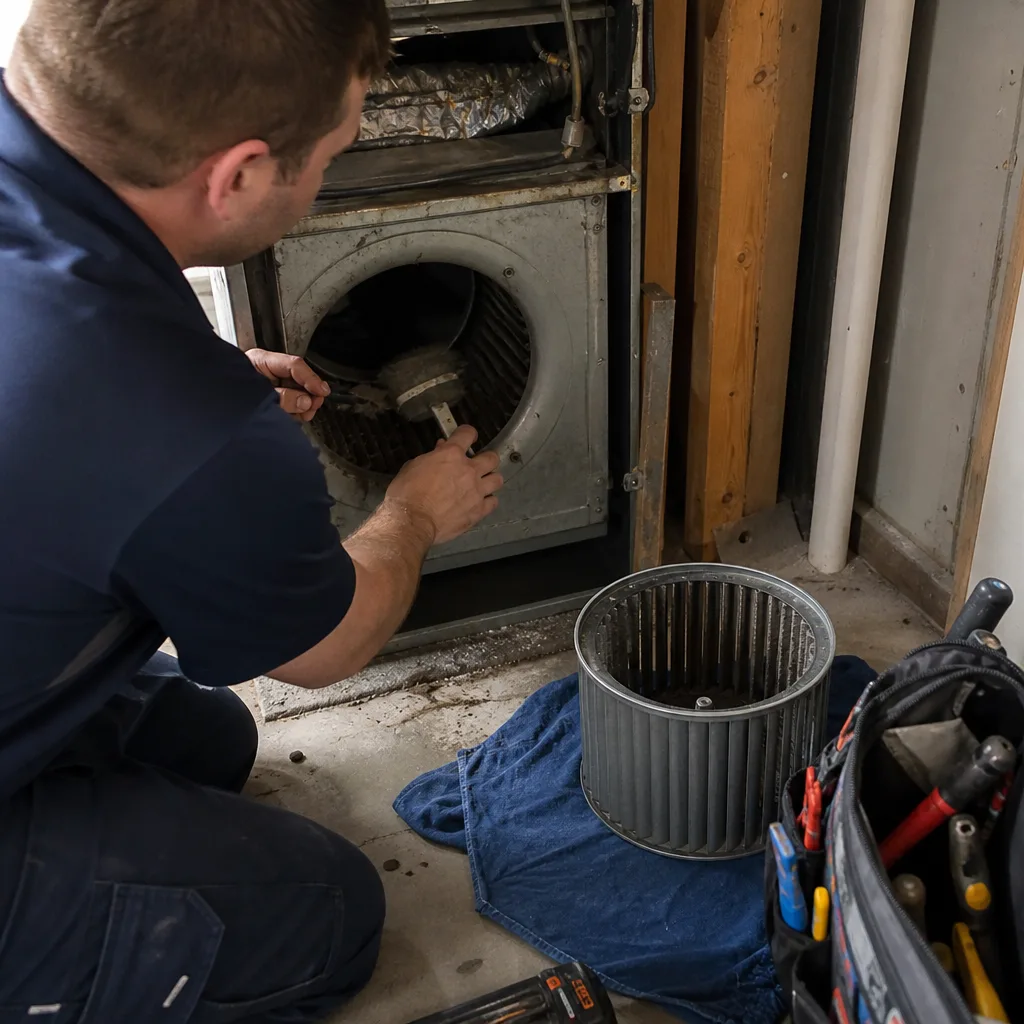
Blower Cleaning
A blower wheel caked with dust and biological growth runs heavier and moves less air, which is why some Great Kills homeowners notice weak airflow at registers farthest from the handler. We pull the blower, clean the wheel and housing, and check that the motor isn’t sitting in a puddle of condensate. Dirt on the wheel is a symptom; the moisture feeding it is the real problem.
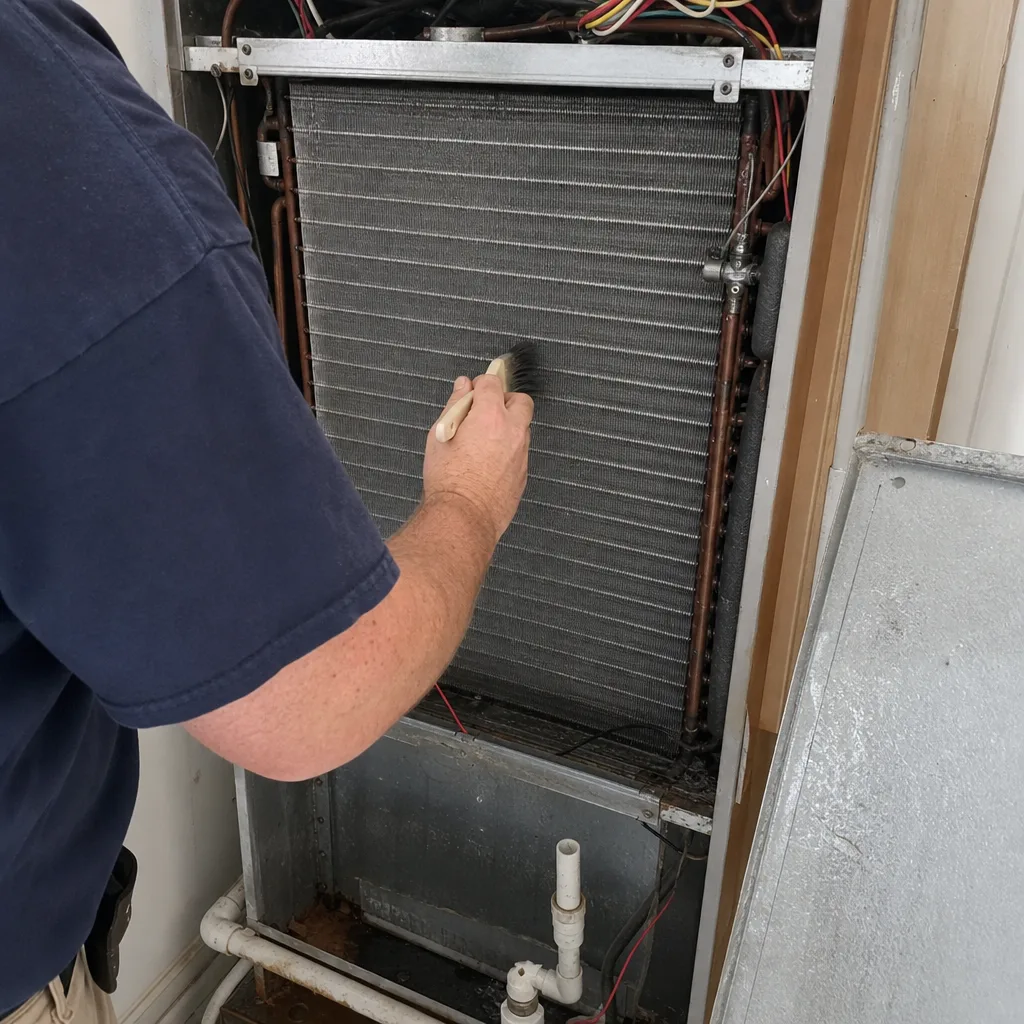
Condenser Cleaning
The outdoor condenser takes the worst of the onshore breeze: salt film, pollen, and grit packed into the fins. Cleaning the coil from the inside out and rinsing the cabinet restores the airflow the unit needs to reject heat. It also gives you a chance to see whether salt corrosion is eating the fins, which matters more here than in a neighborhood set back from the water.
Coil Treatment and Air Quality
Once the coil is clean, a coil treatment helps slow the return of growth on wet fins. We use Guardsman and Abatement Technologies products for treatment and contaminant control, and we can recommend Honeywell or Aprilaire filtration upgrades so the system catches more before it reaches the coil. Cleaning without addressing the moisture source only buys you months.
Trusted Brands We Service in Great Kills
The systems in Great Kills tract ranches and 2000s rebuilds run the range from original oil-era equipment to newer gas furnaces and heat pumps, and the parts and filtration behind them vary just as much. We work with Honeywell and Aprilaire controls and filtration, and we use Abatement Technologies air filtration and Guardsman treatment products on the cleaning side. We don’t claim to stock parts locally; what we do is get the right equipment in front of the right system and give you a fast turnaround on the cleaning and treatment itself. If your system uses a brand we haven’t named, ask when you call and we’ll tell you what the job involves.
Common HVAC Cleaning Problems We See in Great Kills Homes
Great Kills has a particular set of failure modes that show up again and again, and they’re tied to the water, not to how tidy the house is.
- Silt and salt in the low return trunks after a storm. A storm-surge or nor’easter flood pushes sand and silt into the low returns of original tract ranches, and salt residue stays on the metal long after things look dry. If the ducts get cleaned before the water line and salt are documented, the insurance claim is much harder to support.
- Porous duct board and flex liner that took on water. In the 2000s rebuilds with flex-duct runs in tight chases, the inner liner can absorb water and can’t be cleaned to a professional standard. A dry-it-and-wipe-it job leaves microbial growth behind in the air handler, and it comes back.
- A damp crawlspace feeding the coil and blower. Slab and shallow crawlspace foundations keep the cavities humid most of the year, so the evaporator coil and blower motor sit in moisture that cleaning alone doesn’t remove. Growth returns in months unless the moisture source is addressed.
- Weak airflow from original low-CFM sheet-metal ductwork. Ducts sized for early furnaces don’t move the air a modern system wants, and when the blower wheel and coil are dirty, the farthest rooms feel it first. Sealing leaks and cleaning the blower together is what actually fixes the airflow.
Why Great Kills Ducts Grow Mold Faster Than Inland Staten Island Homes
This is the fact that shapes every job here. Great Kills sits close enough to the harbor that onshore breezes keep crawlspace and slab cavities humid most of the year, and the low return trunks in the original 1950s – 70s tract ranches are exactly where that damp air collects. Duct interiors stay damp long enough to grow mold, and the marine boundary layer means the system runs in humid air much of the year rather than a few summer weeks. Winter nor’easters add a second problem: homeowners button up and recirculate stale air, which keeps whatever’s in the system circulating. That’s why a Great Kills cleaning job starts with the moisture, not the dust.
In a typical Great Kills split-level with original sheet-metal ducts sized for a low-CFM furnace, the air handler and evaporator coil sit in a damp crawlspace. Homeowners notice a musty smell and visible dark speckling on the coil fins and the first few feet of return. A qualified pro runs a camera inspection, confirms whether the contamination is surface growth or settled silt, cleans the coil and blower under negative pressure with HEPA filtration and agitation tools, and seals the system back up. If the duct board or flex runs have absorbed water, source removal of the duct itself is the only honest fix, and we’ll say so.
See the difference
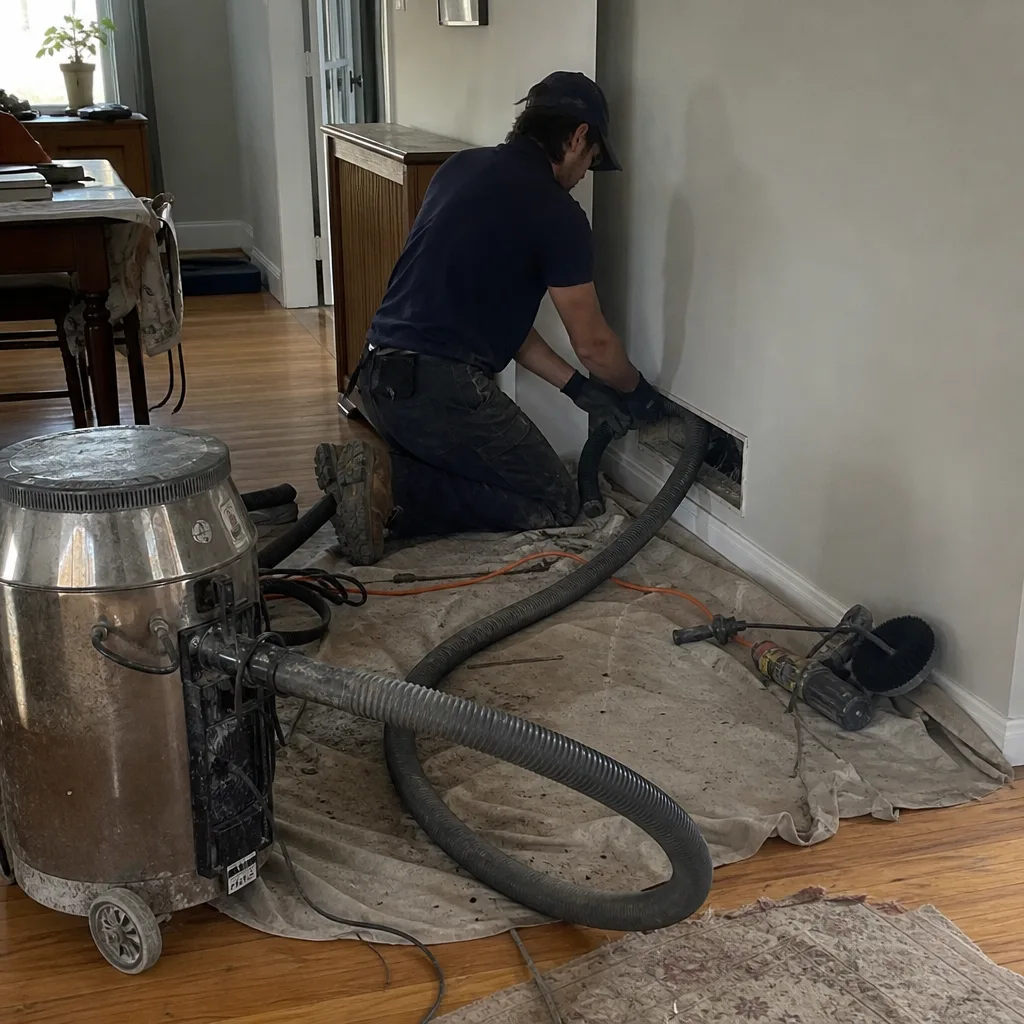 Before
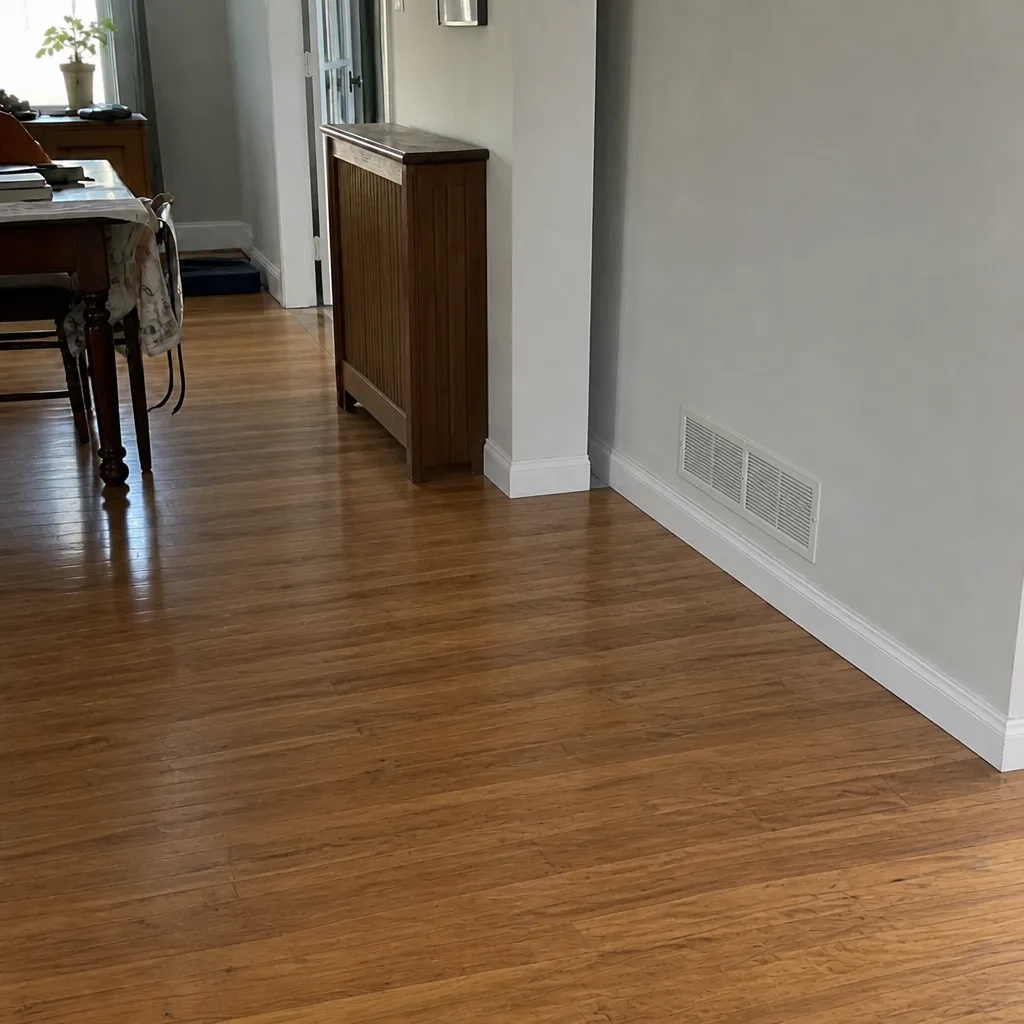 After
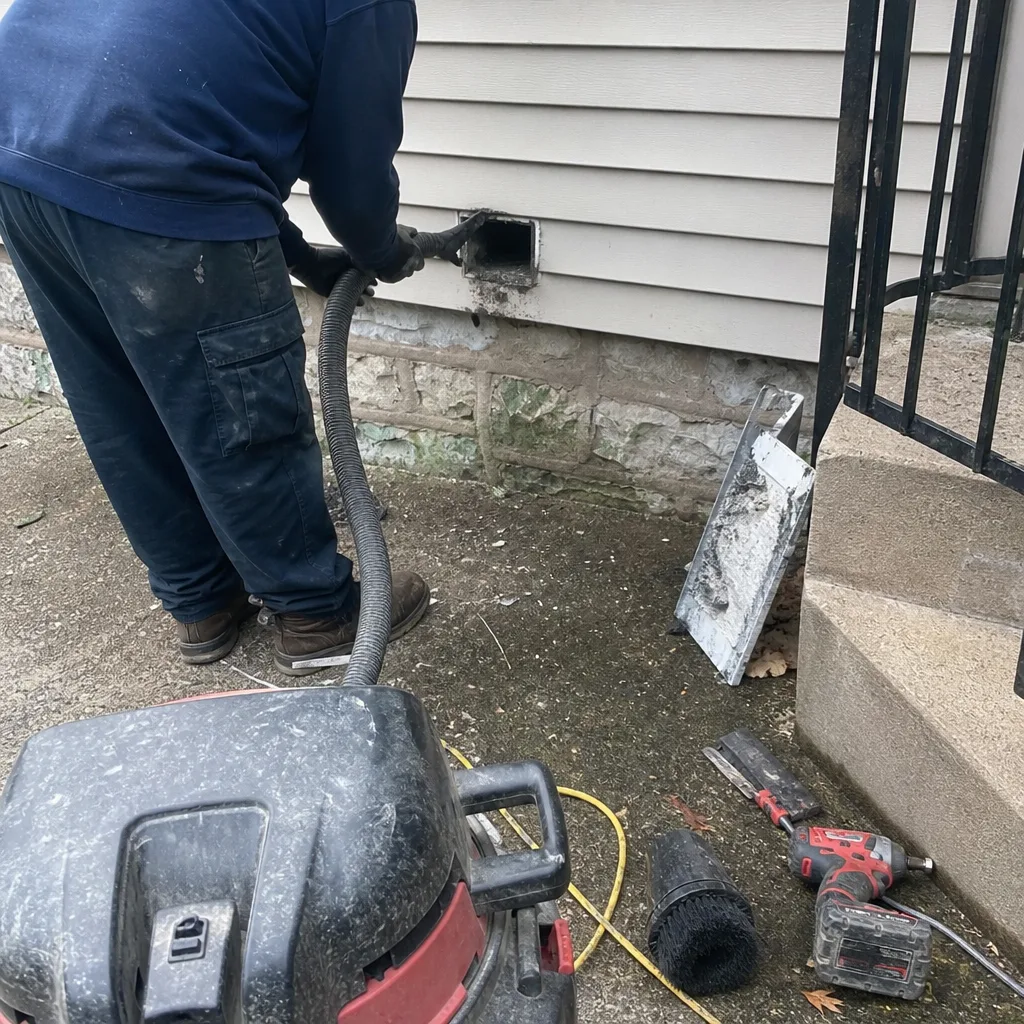 Before
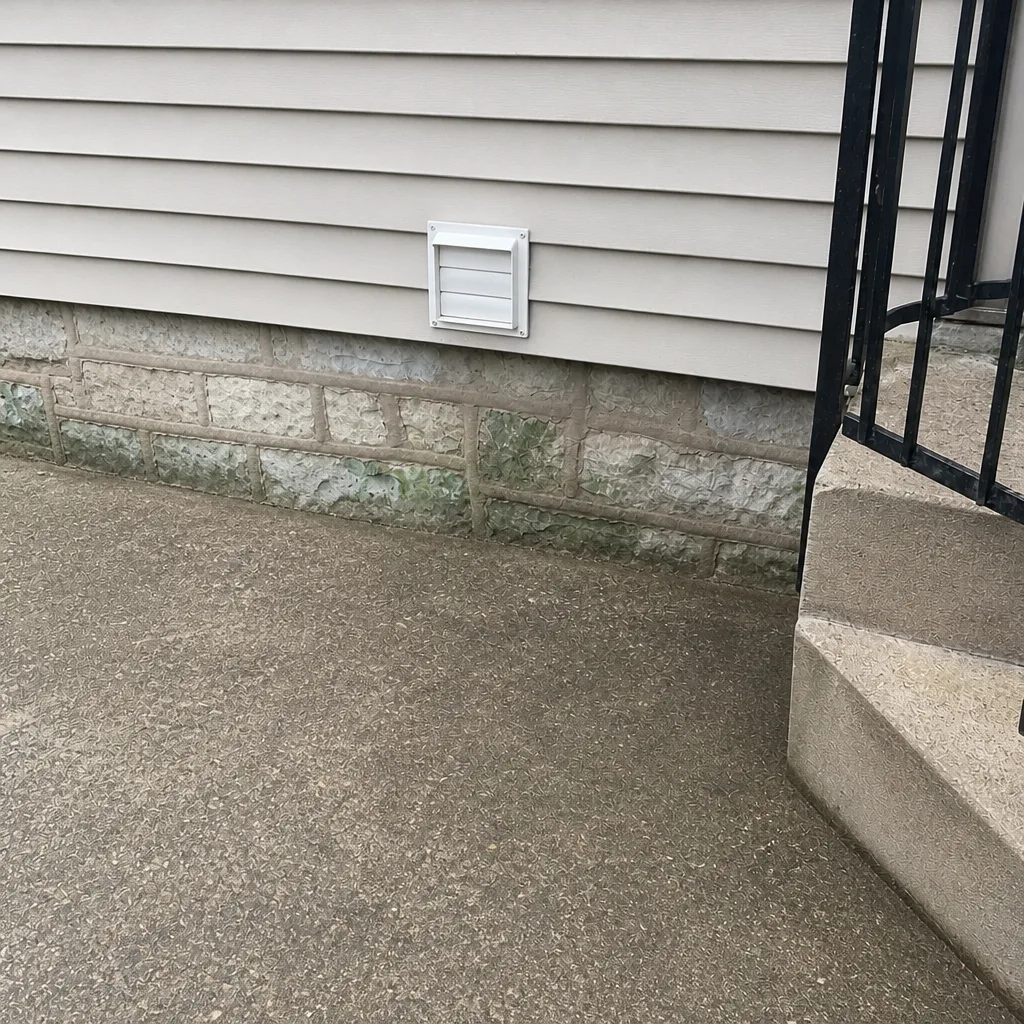 After
 Before
 After
After a Flood: Clean or Replace?
When water intrudes, the answer depends on the duct material and how long it stayed wet. Sheet-metal ducts that took on water can usually be cleaned and treated once the source is fixed, but porous duct board and flex liner that have absorbed water generally can’t be brought back to a professional standard, and cleaning them just spreads the problem. We document the water line, the salt residue and the condition of the duct interior with photos and notes before any cleaning starts, so your insurer sees the condition of the system rather than a receipt with no evidence attached. We can work with your insurer on the documentation. The cleaning price itself is set per job by the written estimate, and the estimate is free.
Pricing for HVAC Cleaning in Great Kills, NY
HVAC cleaning in Great Kills typically runs $450 to $1,200 for a whole-system clean, depending on how many components are involved and how much contamination the inspection turns up. A single evaporator coil and blower cleaning usually falls in the $250 to $450 range, and an air handler cabinet clean with coil treatment runs roughly $350 to $600. Repair and sealing work is quoted separately, and duct replacement after water damage is its own job with its own estimate. What affects cost: the number of components cleaned, whether flex or sheet metal, whether the crawlspace is accessible, and whether treatment or sealing is added. You get one flat price per system, agreed before work starts, and before-and-after photos of your own ducts. Call (877) 699-0106 for a free estimate; the written estimate sets the final price.
We Also Serve Cities Near Great Kills
We connect homeowners across the south shore and beyond, including Grant City, New Dorp, New Springville and Westerleigh. If you’re just outside Great Kills, the process is the same: camera inspection first, a flat price per system, and documentation you can actually use. Call for an estimate and we’ll tell you what the job involves.
Serving Great Kills, NY – Our Local Coverage Area
We serve Great Kills and nearby communities. Use the map below to see the area we cover. If you’re nearby, we can almost certainly help.
FAQs – HVAC Cleaning in Great Kills
It depends on the duct material and how long it stayed wet: sheet metal that took on water can usually be cleaned and treated, while porous duct board and flex liner that have absorbed water generally have to be replaced. We inspect with a camera and document the condition before recommending either path. Call (877) 699-0106 for an estimate.
We photograph and note the water line, the salt residue on the metal, and the condition of the duct interior before any cleaning starts. That evidence is what lets an insurer see the condition of the system rather than a bare receipt. We can work with your insurer on the documentation. Call (877) 699-0106 to schedule an inspection.
Because Great Kills sits close enough to the harbor that onshore breezes keep crawlspace and slab cavities humid most of the year, so duct interiors stay damp long enough for growth. Inland homes with dry full basements dry out faster. The fix is to clean the coil and blower and address the moisture source, not just wipe the ducts. Call (877) 699-0106 for an estimate.
It covers the evaporator coil, the blower wheel, the air handler cabinet, the condensate pan and drain, the outdoor condenser, and optional coil treatment and air quality work. In Great Kills we treat that as one system, from the unit to the last vent. Call (877) 699-0106 for an estimate.
If you notice a musty smell, dark speckling on the coil fins, or weak airflow in the far rooms, that’s your signal, and in a damp Great Kills crawlspace it’s worth an inspection even without visible symptoms. Cleaning the system before growth spreads through the air handler saves a bigger job later. Call (877) 699-0106 for a free estimate.
Book HVAC Cleaning in Great Kills
Salt air, damp crawlspaces and post-storm silt are the reasons Great Kills systems need a different cleaning than an inland house. We start with a camera inspection, give you one flat price per system agreed before work starts, document what we find so an insurer can use it, and leave you with before-and-after photos of your own ducts. Our technicians have up to 9 years of experience, and we use Rotobrush, Nikro and Abatement Technologies equipment and Guardsman treatments for the job. Call (877) 699-0106 for a free estimate. We answer 24/7. Fast dispatch from 7am to 7pm, Sunday through Friday.
Written by the team at Air Duct Cleaning West Brighton.