
Last updated November 24, 2026
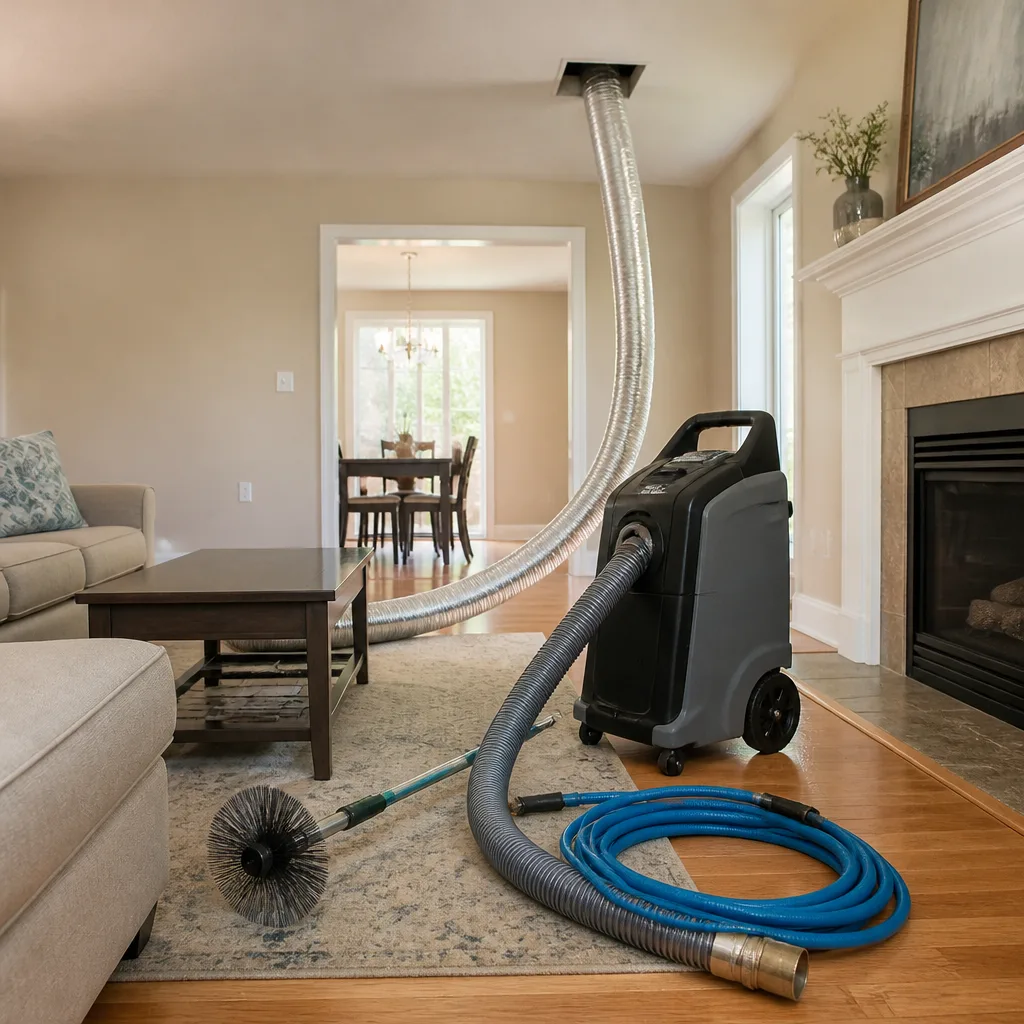 Whole-home duct cleaning
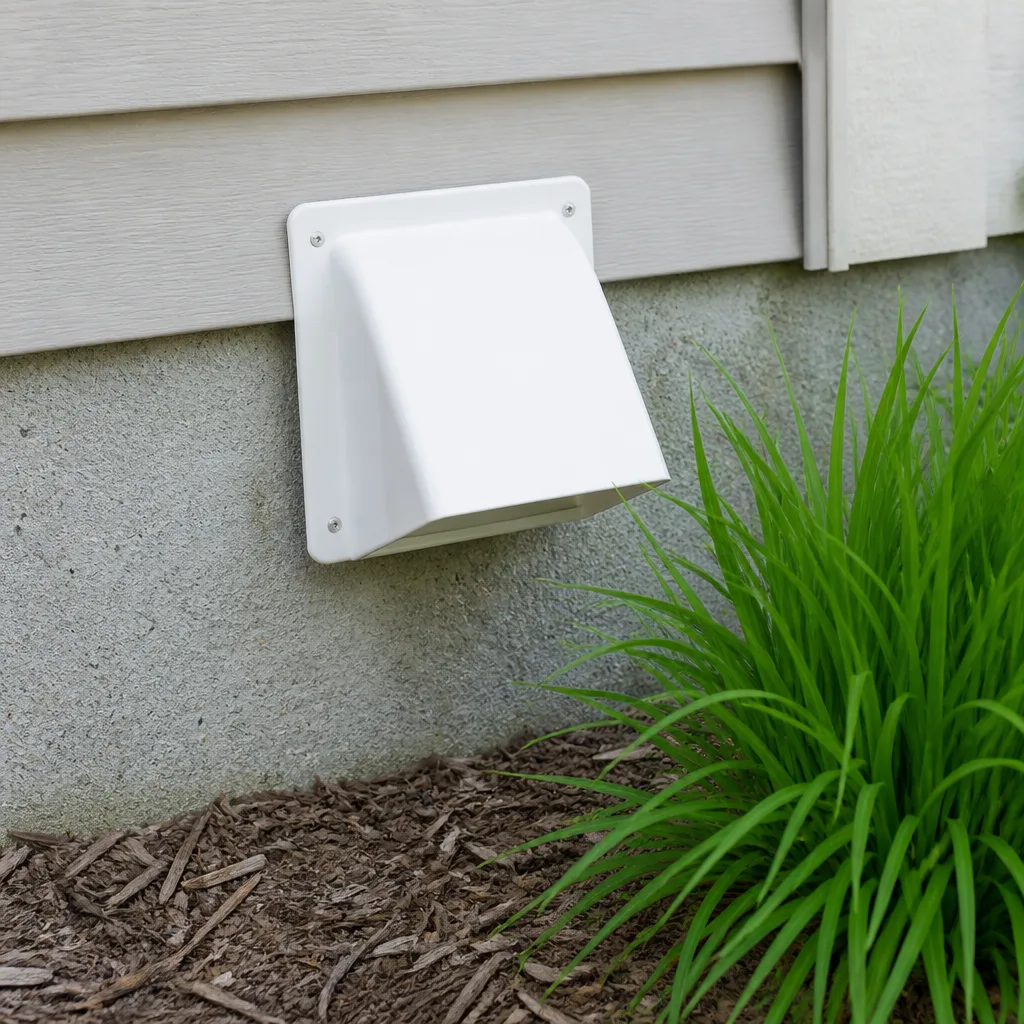 Dryer vent cleaning
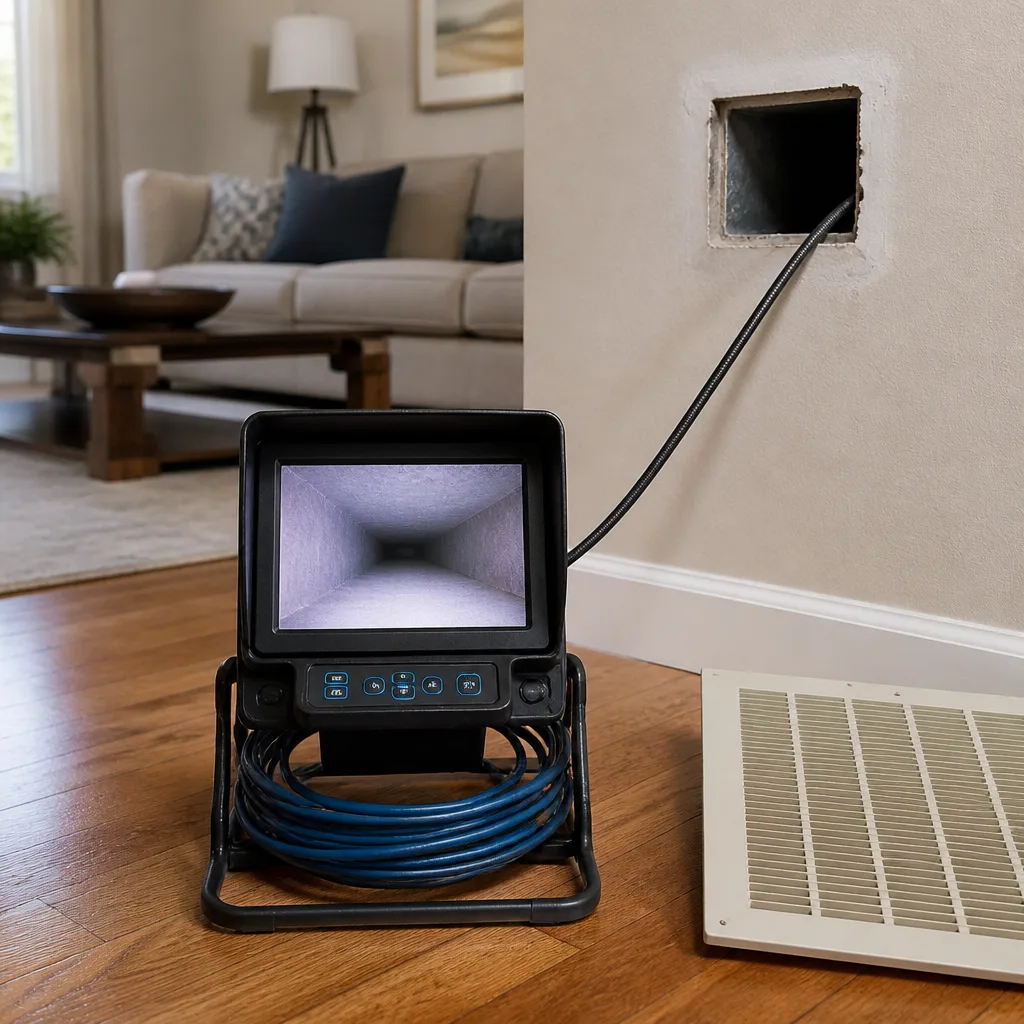 Camera inspection
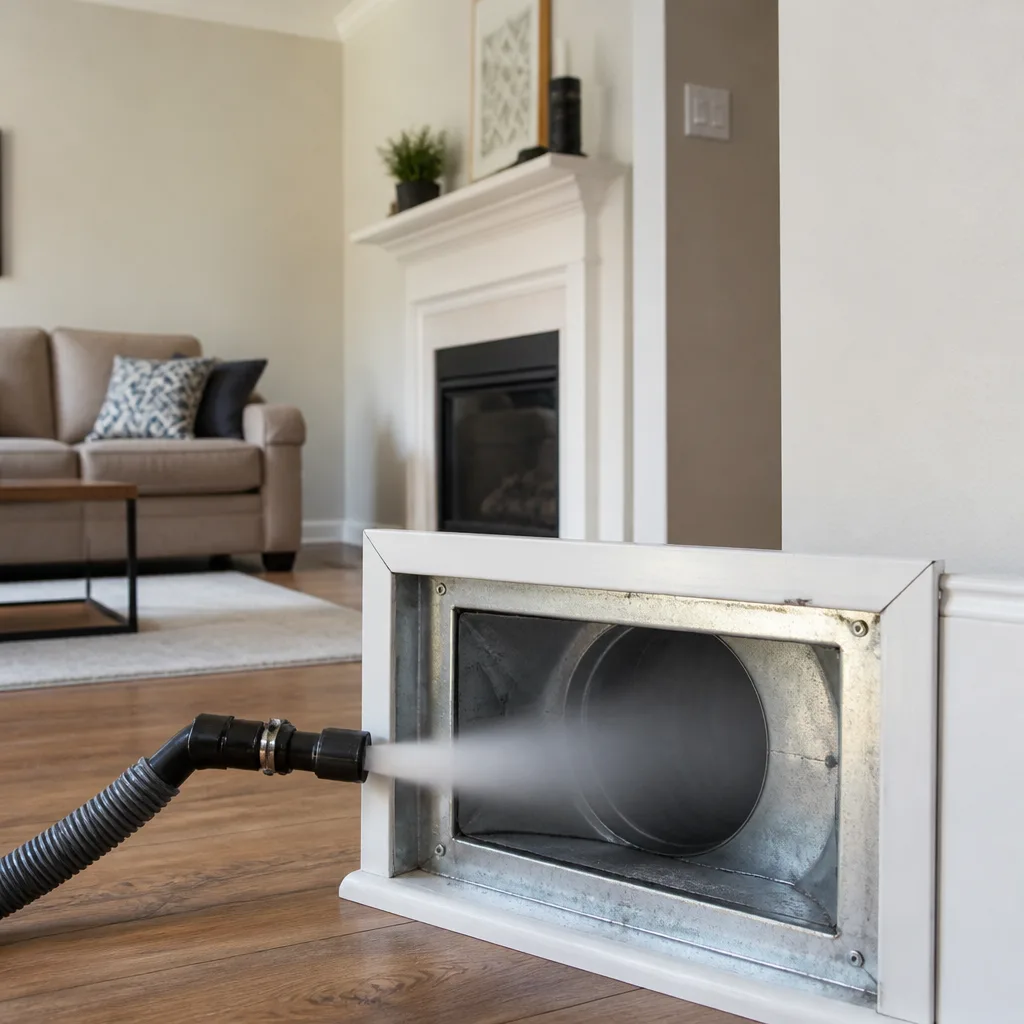 Sanitizing & deodorizing
Whole-system duct and dryer vent check with before-and-after photos - you see exactly what came out of your vents
That "$99 whole-house special" is a bait ad - the real number appears once they are in your hallway, or the "clean" is a shop-vac at the register. We photograph the inside of your ducts before and after instead.
The Complete Guide to Air Duct Cleaning in West Brighton
Most homeowners assume the supply vents are where duct cleaning starts and stops. In practice, the return-side plenum is usually where the heaviest debris sits, and it’s the part of the system a quick wipe-down never reaches. In West Brighton, where postwar Capes, brick row houses and 1970s ranches each hide a different duct layout, that gap matters more than any coupon price. This guide maps the whole air pathway, from the air handler to the last vent, and shows you what to check so the work you pay for is the work that gets done.
Quick Answer
Air duct cleaning in West Brighton means cleaning the entire air pathway, not just the visible supply registers: the air handler, the return plenum, the trunk lines and every branch run. The job is done correctly with negative-pressure source removal, meaning a commercial vacuum pulls debris out while rotary brushes loosen it, and with a full inspection before and after. If a company quotes one flat figure per vent and never inspects the return side, the clean is incomplete. Call (877) 699-0106 for a free estimate on whole-system service. We answer 24/7.
Styles & brands we work with
- Whole-home duct cleaning
- Dryer vent cleaning
- Camera inspection
- Sanitizing & deodorizing
Table of Contents
- Why Whole-System Cleaning Beats Vent Cleaning in West Brighton
- How West Brighton’s Housing Stock Shapes Your Ductwork
- Why the Return Air Side Collects More Than Supply Lines
- Negative Pressure and Why CFM Ratings Matter
- What NADCA ACR Standards Actually Require
- When Cleaning Isn’t Enough: Repair and Sealing
- Dryer Vent Cleaning and the Rest of the Pathway
- What a Full-System Inspection Should Include
Why Whole-System Cleaning Beats Vent Cleaning in West Brighton
Air duct cleaning is a dirty job if it’s done right. Every time your heating or cooling system runs, air moves through a closed loop that starts at the return grille, passes through the air handler and filter, travels down the supply trunk and out through branch runs to the registers in each room. Debris collects at different rates in different segments of that loop. A company that cleans only the registers addresses the endpoint and leaves the heaviest dust where it formed, which is on the return side and inside the plenum feeding the air handler.
We’ve pulled apart systems in West Brighton where the supply runs looked nearly pristine and the return plenum was packed with dust, pet hair and construction grit. Homeowners often don’t hear the word plenum until a technician points it out. The plenum is simply the box or transition fitting that connects the main trunk to the air handler cabinet. On the return side, it’s a negative-pressure zone, and anything loose gets sucked toward it.
A whole-system approach means cleaning every component that air passes through:
- The return grilles and their boots
- The return plenum and return trunk
- The air handler cabinet interior and blower compartment (within manufacturer limits)
- The supply trunk and branch runs
- Each supply register and boot
Skip any one of those and the system is only partially cleaned. That’s the difference between a real service and an air-quality gesture. For a broader look at air duct cleaning, we break the process down box by box.
How West Brighton’s Housing Stock Shapes Your Ductwork
West Brighton’s mix of postwar Cape Cods, mid-century brick row houses and 1970s ranches creates three distinct duct layouts, and each one has a specific cleaning challenge. Postwar Capes often have short trunk runs with limited attic or crawlspace clearance, which makes brushing harder and pushes budget cleaners toward shortcuts. Brick row houses tend to be tightly packed, with the air handler stuffed into a closet or basement corner where access is awkward. The 1970s ranches frequently have long flex duct runs burrowed into walls or soffits, and some flex has aged into sagging, kinked drops that trap debris in low points.
None of this means the ducts can’t be cleaned. It means the tech needs the right tools and the patience to reach the hard-to-see sections. A typical sequence for a West Brighton home looks like this:
- Walk the house and note every register, return grille and access panel.
- Open the air handler cabinet to inspect the blower and coil face.
- Set up negative pressure at the main trunk or plenum.
- Brush each branch from the register back to the trunk, agitating debris into the airflow.
- Brush the return side and plenum, where accumulation is usually heaviest.
- Photograph before and after, then reassemble the trunk and grilles.
If those steps sound like more than a shop vac can manage, that’s the point. Rotary brush systems like Rotobrush and Abatement Technologies equipment give techs flexibility on kinked flex drops and short trunk runs that a floor vac can’t reach. Our technicians have up to 9 years of experience working in layouts just like these.
Why the Return Air Side Collects More Than Supply Lines
The return side is the highest-debris zone in most systems, and it’s the section most neglected in a standard cleaning. Supply lines blow air outward, so their walls see airflow and particles get carried through. Return lines pull air inward, so any dust that slips past a loose filter gets dragged straight into the plenum and often coats its walls. Add pet hair, road dust from nearby streets, and the fine grit West Brighton homes pick up from older housing stock, and the return plenum becomes a trap for anything the filter misses.
A full-system inspection should cover:
- Filter housing and filter condition
- Return grille and return boot interiors
- The plenum box joining the return trunk to the air handler
- Returns in each room or zone (many West Brighton homes have multiple)
- The blower compartment face (visual only unless the panel can be safely removed)
If a company inspects only the supply vents and then quotes a price, walk them to the return grille and ask what they plan to do about it. That single question filters out most budget crews. We repair what we find, which is why our inspections start at the return and work forward. You can also see how we approach HVAC cleaning as a separate scope when the coil and blower are due for deeper work.
Negative Pressure and Why CFM Ratings Matter
Negative-pressure source removal is the technique that separates a real cleaning from a surface pass. The idea is simple: place a high-CFM vacuum on the trunk or plenum, let it pull the entire system into negative pressure, then agitate debris with a rotary brush or air whip so it flows toward the vacuum instead of into your living room. Air always moves from high pressure to low pressure. With a strong source vacuum attached, every downstream register becomes an intake and every brush stroke pushes dust out of the system instead of puffing it into the air.
CFM (cubic feet per minute) is the measure of how much air the vacuum is pulling. Two dust collectors can share the same hose diameter and have wildly different CFM ratings. A consumer shop vac might pull a couple hundred CFM; a commercial negative-air unit can pull well over a thousand. In Staten Island-era housing, where short trunk runs and tight flex drops create resistance, that difference shows up as visible debris left in the system.
How to confirm your cleaner is set up properly:
- Ask what the CFM rating of the vacuum unit is and whether it’s portable or truck-mounted.
- Look for a hose connected to the trunk or plenum, not just a brush at the register.
- Watch whether they seal the register boot with tape or a blocker while brushing (this is what creates the negative pressure).
- Ask for before-and-after photos of the return plenum specifically.
- Confirm the tech uses a HEPA or Abatement Technologies filtration unit if indoor dust control matters to your household.
Poor setup means debris gets stirred up and settles elsewhere. Good setup means it leaves the house.
What NADCA ACR Standards Actually Require
The NADCA ACR standard (Assessment, Cleaning and Restoration of HVAC Systems) is the trade reference point for what a professional cleaning should include. It doesn’t regulate who can call themselves a duct cleaner, but it sets the expectation that a proper job includes assessment, source removal, and verification. Most budget cleaners fall short of the standard in three places: they skip the assessment, they don’t use source removal, and they don’t verify the outcome.
Here’s a checklist you can hold any company to, whether they’re in West Brighton or elsewhere:
- Assessment: The tech inspects the full system, including the air handler, return plenum, trunk lines, branches and each register, before quoting.
- Source removal: Debris is removed by mechanical agitation under negative pressure, not just brushed and left.
- Access panels: The tech cuts and seals access panels where needed, rather than relying only on existing openings.
- Coil and blower care: The blower and coil are inspected (and cleaned if in scope) so cleaning the ducts doesn’t reintroduce debris the next time the fan runs.
- Verification: Before-and-after photos or a visible inspection confirm the work.
- Chemical use: Any sanitizer or sealant is applied per product instructions, with the homeowner told what’s being used.
The ACR standard doesn’t demand a specific brand of equipment, but it does require the tools to do the job right. Rotary brush systems (Rotobrush is the industry benchmark) and commercial negative-air units are the minimum most serious contractors work toward. For a comparison of how we structure the work from inspection to sanitizing, see Air Duct Cleaning West Brighton.
When Cleaning Isn’t Enough: Repair and Sealing
Cleaning removes what’s already inside. It can’t fix what’s letting new debris in. In West Brighton’s older homes, three conditions commonly mean repair and sealing need to happen before or alongside the clean:
- Leaking trunk joints. Old duct tape and mastic crack with age. Joints that leak pull air from wall cavities, attics or crawlspaces, and that air is unfiltered.
- Disconnected or crushed flex drops. Flex duct that has been pinched at a soffit penetrations or dropped across a joist hanger restricts airflow and traps debris in low points.
- Rotted or torn duct board. Found in some 1970s installs, this material can fray and shed fibers into the airstream.
The practical order of operations for a full service is: inspect, repair what’s leaking or damaged, then clean, then seal, then verify with airflow measurement or a smoke test if the system is accessible. Cleaning first and sealing later means the repairs reintroduce dust into a system that was just cleaned. This is why we offer Duct Repair & Sealing as a service alongside cleaning rather than farming it out.
If you’re noticing rooms that never feel right, or a system that runs nonstop while other rooms stay cool, a duct sealing inspection is often the first step before any cleaning quote. It’s also worth asking your contractor whether Aprilaire filtration upgrades make sense after the seal is done, since a sealed system benefits most from proper filtration going forward.
Dryer Vent Cleaning and the Rest of the Pathway
Dryer vents are a separate pathway but often overlooked, and in West Brighton’s brick row houses and postwar Capes, dryer runs sometimes get routed through long exterior walls with tight turns. Those paths trap lint at each turn, and lint buildup is the most common cause of dryer fires nationwide. A dedicated dryer vent cleaning pulls lint out of the entire run, from the dryer connection to the exterior termination, using a rotary brush system rather than a leaf blower or a vacuum at the outlet.
How to know yours is due: the dryer takes noticeably longer than it used to, clothes come out hotter than normal, the exterior flapper doesn’t open freely, or there’s visible lint behind the dryer or at the outside vent. In our experience, dryer vent runs that pass through two elbows and an exterior wall run need cleaning more often than a straight short run. For a detailed look at what’s involved, see dryer vent cleaning.
Air quality extensions round out the work. Once the system is clean, sanitizing treatments with products like Guardsman address microbial growth and odors that live in the duct surface. That’s not a substitute for source removal; it’s the last step after the debris is gone. Carrying Honeywell and Aprilaire lines lets us recommend filter and humidification options that fit the home, not just the system.
What a Full-System Inspection Should Include
A proper inspection happens before the price is set and again after the work is done. If a company quotes from the driveway or from a brochure, they’re guessing. An inspection that earns the base quote should walk through the home and confirm these items in writing:
- Filter size and condition, plus whether the filter housing is sealing tightly (a loose housing lets unfiltered air bypass the filter entirely).
- The air handler cabinet interior, blower face and coil face (visual).
- Every return grille, and the return boot and plenum behind it.
- The supply trunk size, material and any accessible joints.
- Each supply register and its branch run.
- Any access panels, cut-in points, or where new access will be created.
- Photos labeled with location, before and after.
Ask for the inspection findings in writing. A crew that can name what they found, where, and what it needs is a crew that knows what they’re doing. One that hands you a coupon and a polite schedule is doing neither.
Common Mistakes to Avoid
- Accepting a per-vent price. Per-vent pricing rewards speed over completeness, and in a West Brighton row house with short runs it usually means the plenum never gets touched. Ask for a flat price for the whole system.
- Skipping the return side. If the tech never opens a return grille, the highest-debris zone stays dirty. Point them to it if they don’t ask.
- Ignoring the air handler. A clean duct network feeding a dirty blower reintroduces debris the moment the system kicks on. Blower and coil should be inspected on every visit.
- Cleaning before repairing. A leaking trunk joint pulls attic or wall-cavity air into the system. Repair the leak first, then clean.
- Signing off without photos. Before-and-after photos are the cheapest verification there is. A company confident in the work will show you what was pulled out.
- Forgetting the dryer vent. A duct cleaner that treats dryer vent work as an optional upsell is doing half the job. In West Brighton’s older housing, dryer runs from the 1950s and 1970s deserve serious attention.
- Assuming “sanitizing” replaces cleaning. Fogging a dirty duct doesn’t remove debris. Sanitizing is the last step, not the first.
See the difference
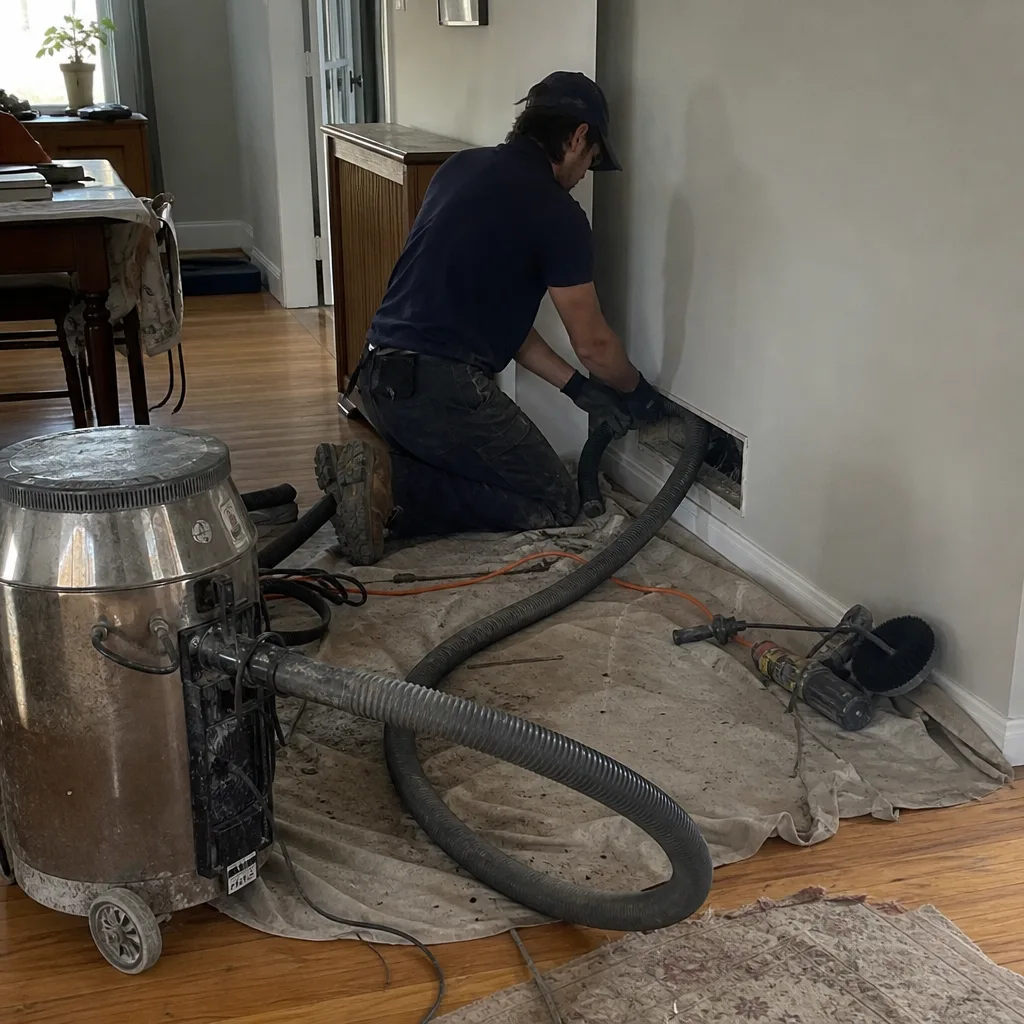 Before
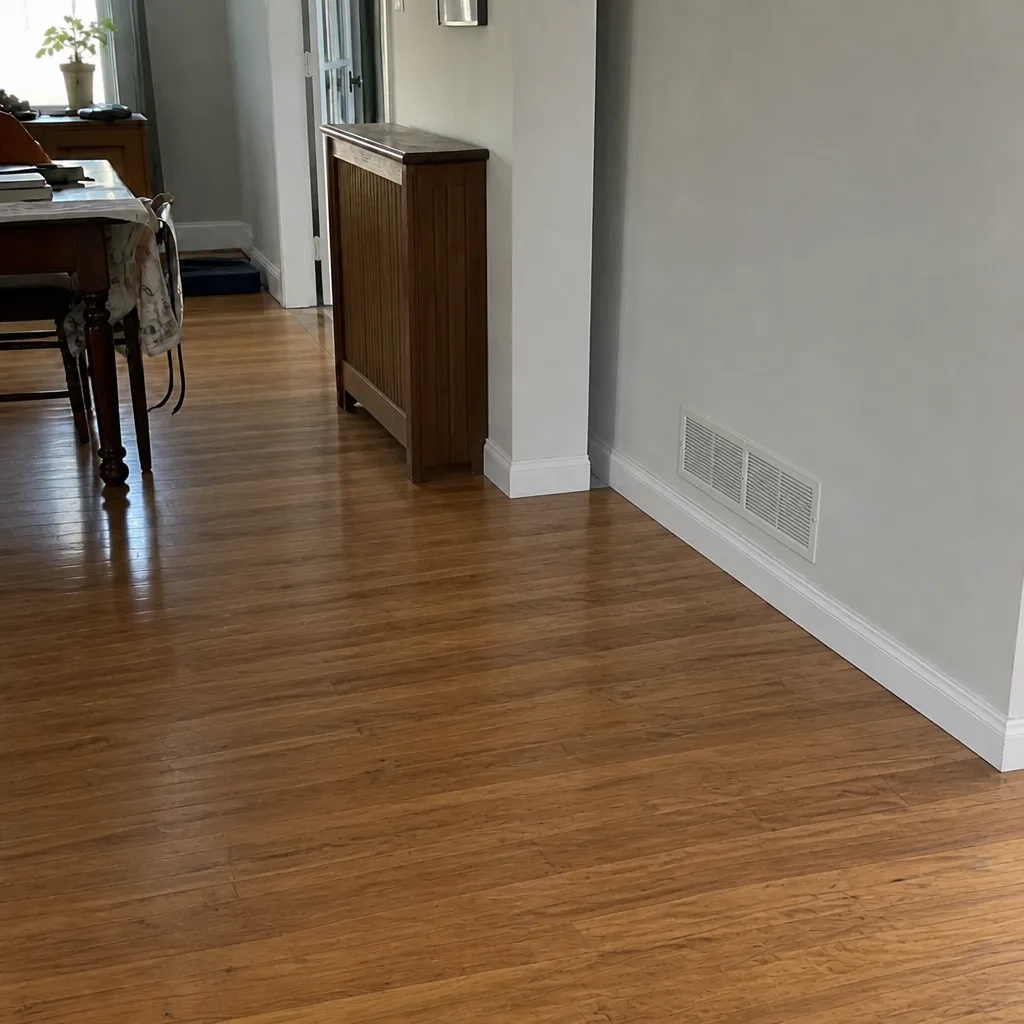 After
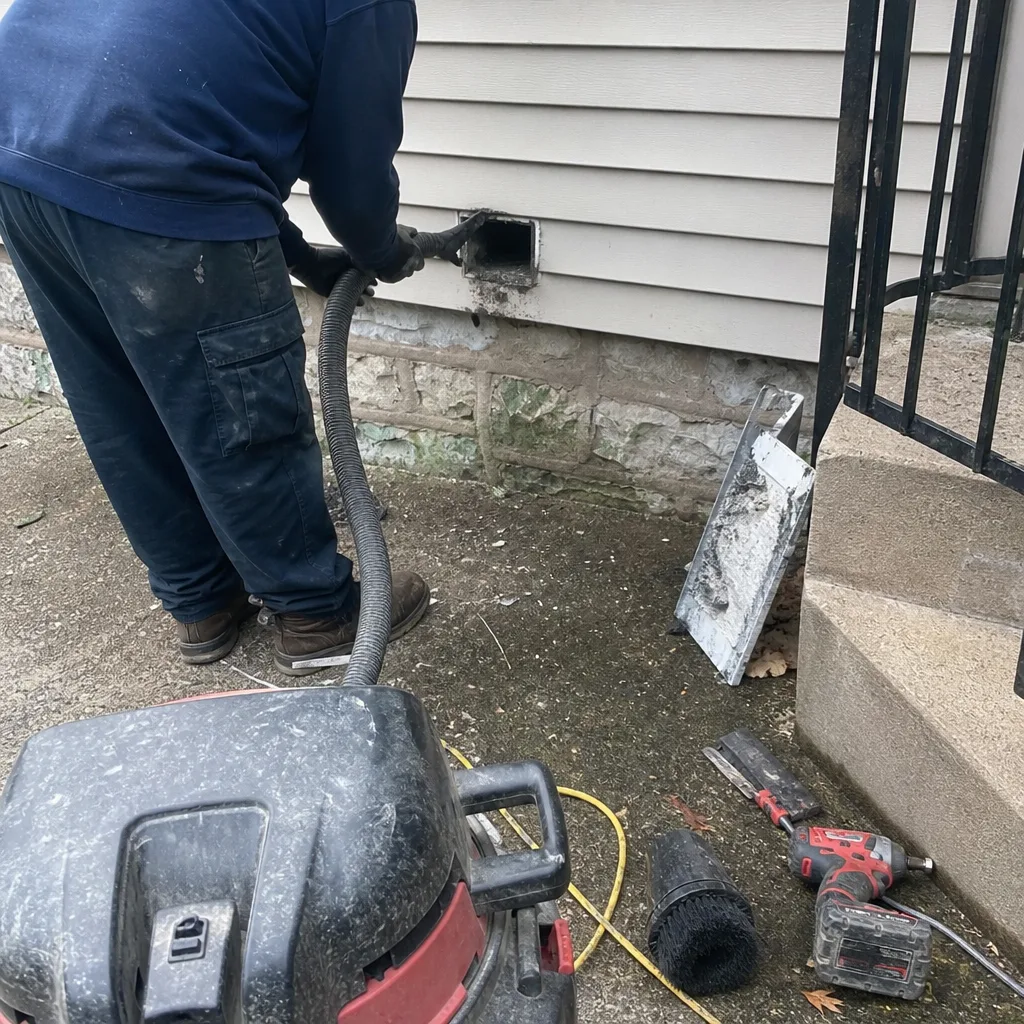 Before
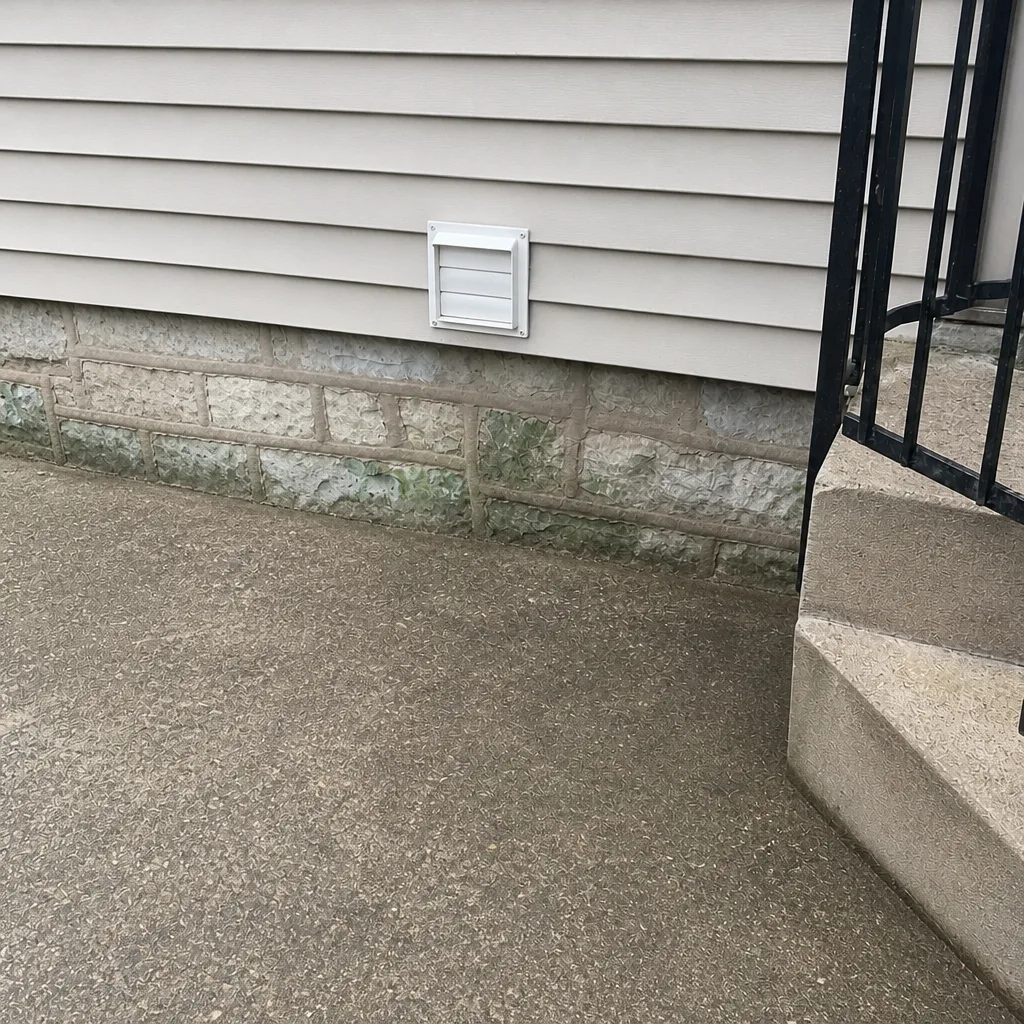 After
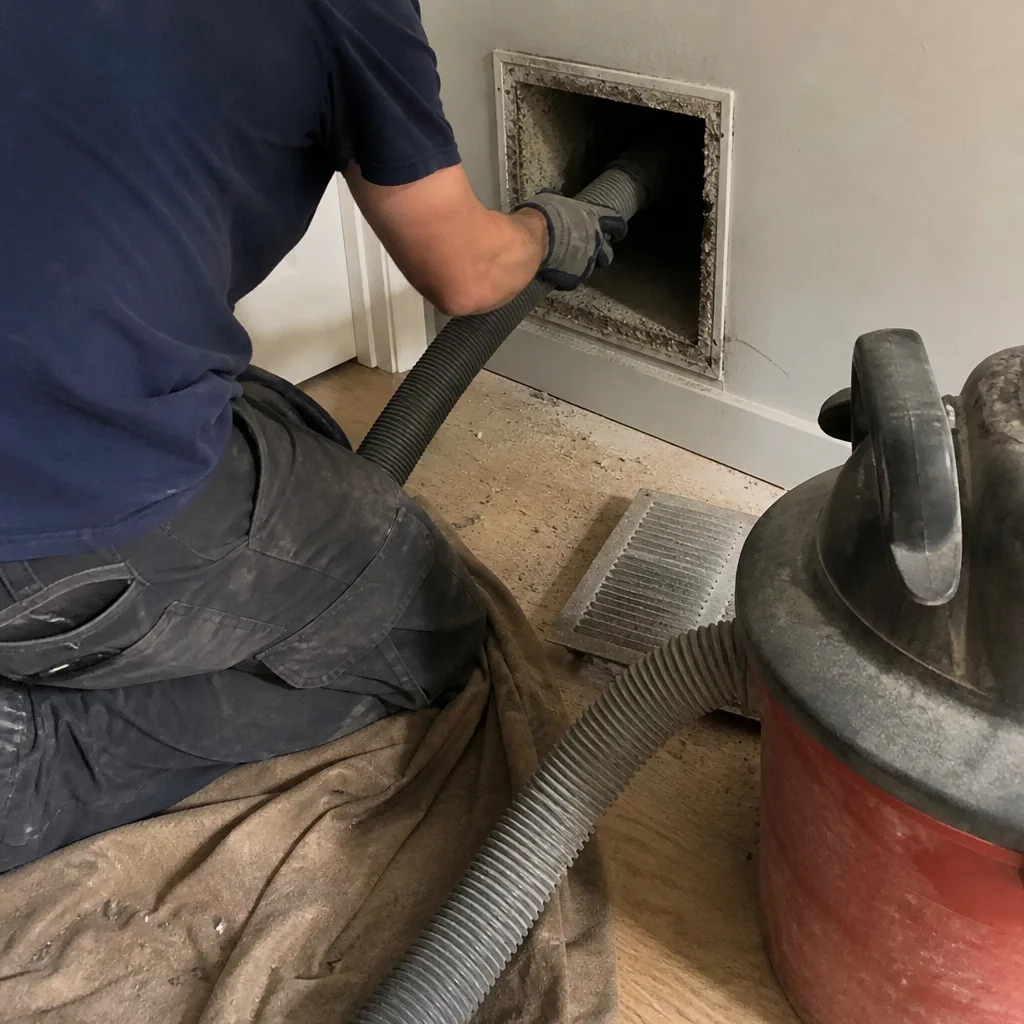 Before
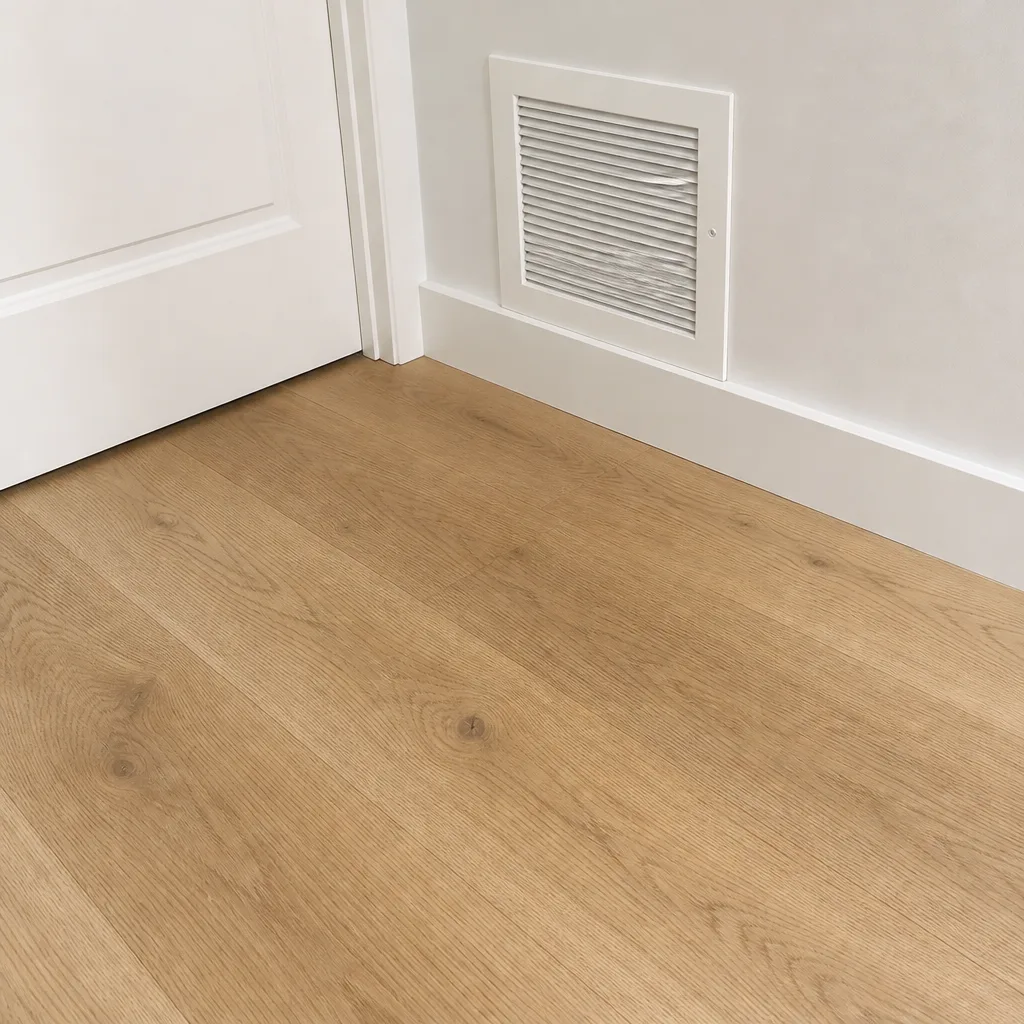 After
When to Call a Professional
You should call a professional if you’re seeing any of the following: visible dust plumes at the registers when the system kicks on, musty or stale odors that return after cleaning the floors and furniture, inconsistent airflow between rooms, a recent renovation or rodent activity in the ductwork, or a system that hasn’t been serviced in many years. If anyone in the household has respiratory sensitivities that seem worse indoors, whole-system cleaning is worth discussing with a technician rather than guessing at the cause. Air Duct Cleaning West Brighton offers free estimates in West Brighton – call (877) 699-0106. We answer 24/7, and dispatch runs 7am-7pm Sunday through Friday. The estimate is free, and the price is set per job in writing before any work starts.
Frequently Asked Questions
Most whole-system air duct cleanings fall in a few-hundred-dollar range per system, and the written estimate sets the exact price. Per-vent prices sound cheaper until you add the return side, dryer vent and air handler, which is why we quote flat per system. Call (877) 699-0106 for an exact quote – estimates are free.
Cheap quotes typically cover only visible supply registers, use consumer-grade vacuums instead of commercial negative-pressure units, and skip the return plenum and air handler. The job looks done, but the heaviest debris stays in place. Ask what CFM rating their vacuum is and whether the return side is included. Call (877) 699-0106 for a written flat-rate quote.
Most West Brighton homes can go several years between cleanings if the filter is changed on schedule and there’s been no renovation or pest activity. Homes with pets, recent construction or a history of musty odors benefit from a check sooner. A free inspection is the honest way to find out. Call (877) 699-0106.
Ask for labeled before-and-after photos of the return plenum, air handler and a sample of supply runs. A crew that cleans the way we do will also walk you through what they pulled out and where it came from. If a company won’t show photos, don’t sign the invoice. Call (877) 699-0106 for a documented estimate.
It often does, because the visible registers rarely hold the problem. Return-side plenum debris and microbial growth in a damp plenum are common contributors to musty odors, and source removal is the first step. Sanitizing with Guardsman or Abatement Technologies products follows cleaning, not substitutes for it. Call (877) 699-0106 to schedule an inspection.
Yes. Dryer vent cleaning, HVAC cleaning, duct repair and sealing, and air quality and sanitizing are all part of the same service relationship, so you don’t need a second contractor after the clean. Our technicians have up to 9 years of experience across all five service lines. Call (877) 699-0106 for a free estimate.
The Bottom Line
Air duct cleaning in West Brighton is worth doing when it covers the whole pathway, from the air handler to the plenum to the last supply vent, using negative-pressure source removal and real inspection before and after. Skip the return side and you’ve cleaned the calmest part of the system. Insist on a flat per-system price, labeled photos, and a written estimate. If repair or sealing is needed, get it in the same service relationship rather than splitting the job. Call (877) 699-0106 for a free estimate. We answer 24/7, and fast dispatch runs 7am-7pm Sunday through Friday.
Written by the team at Air Duct Cleaning West Brighton.