
Last updated November 24, 2026
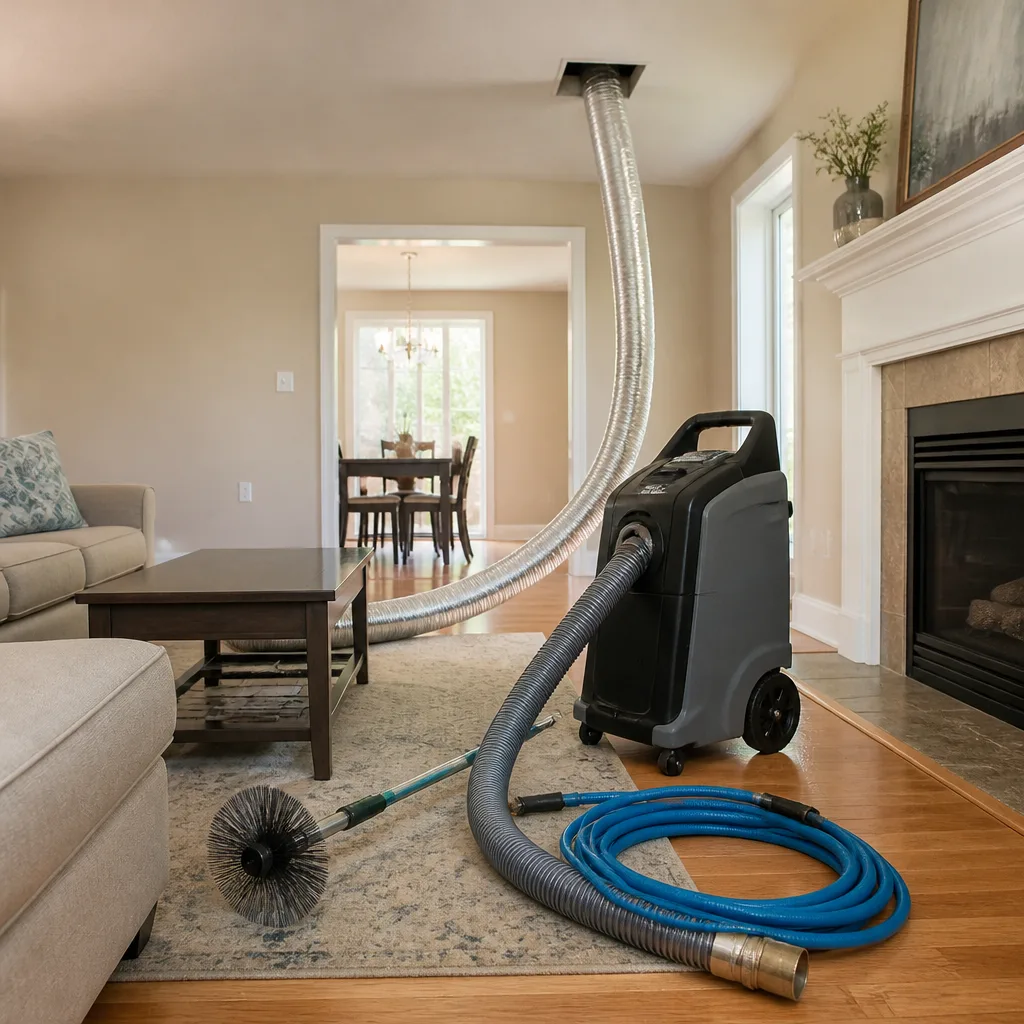 Whole-home duct cleaning
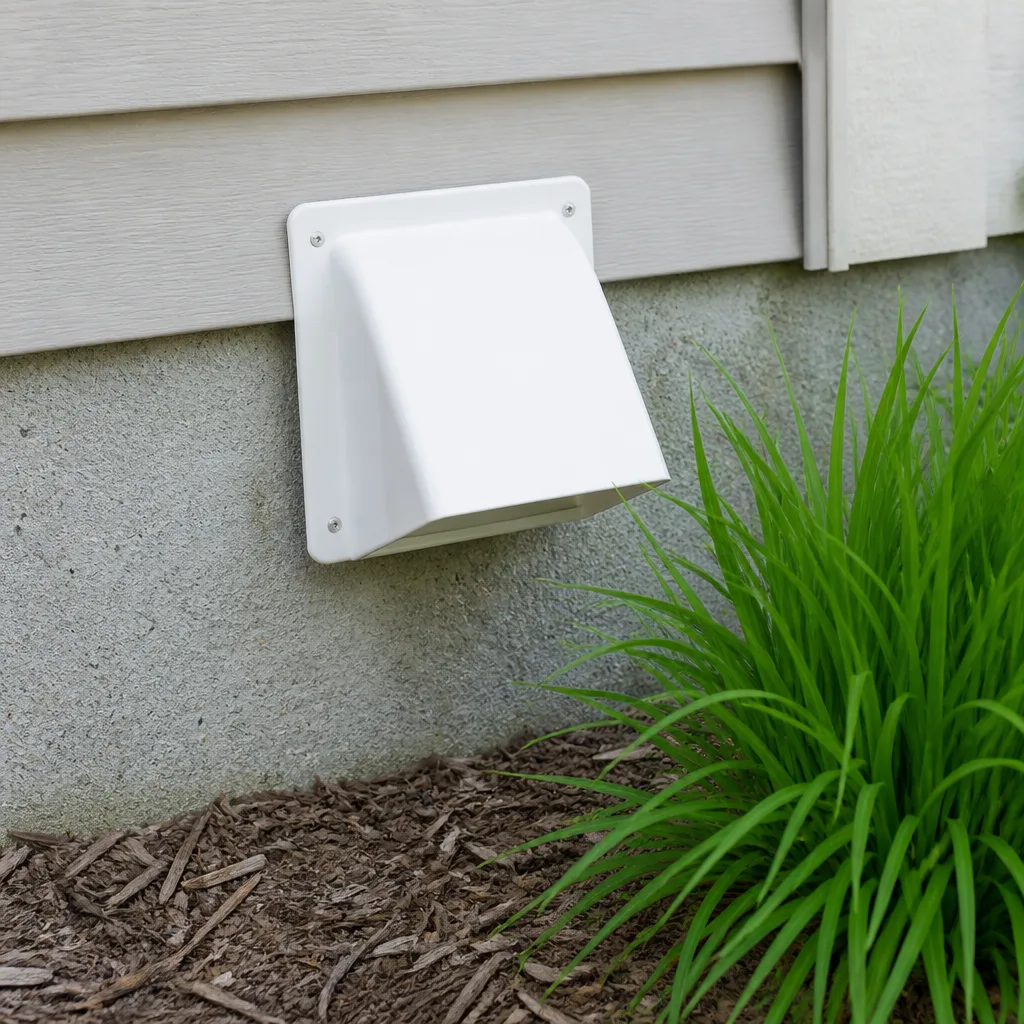 Dryer vent cleaning
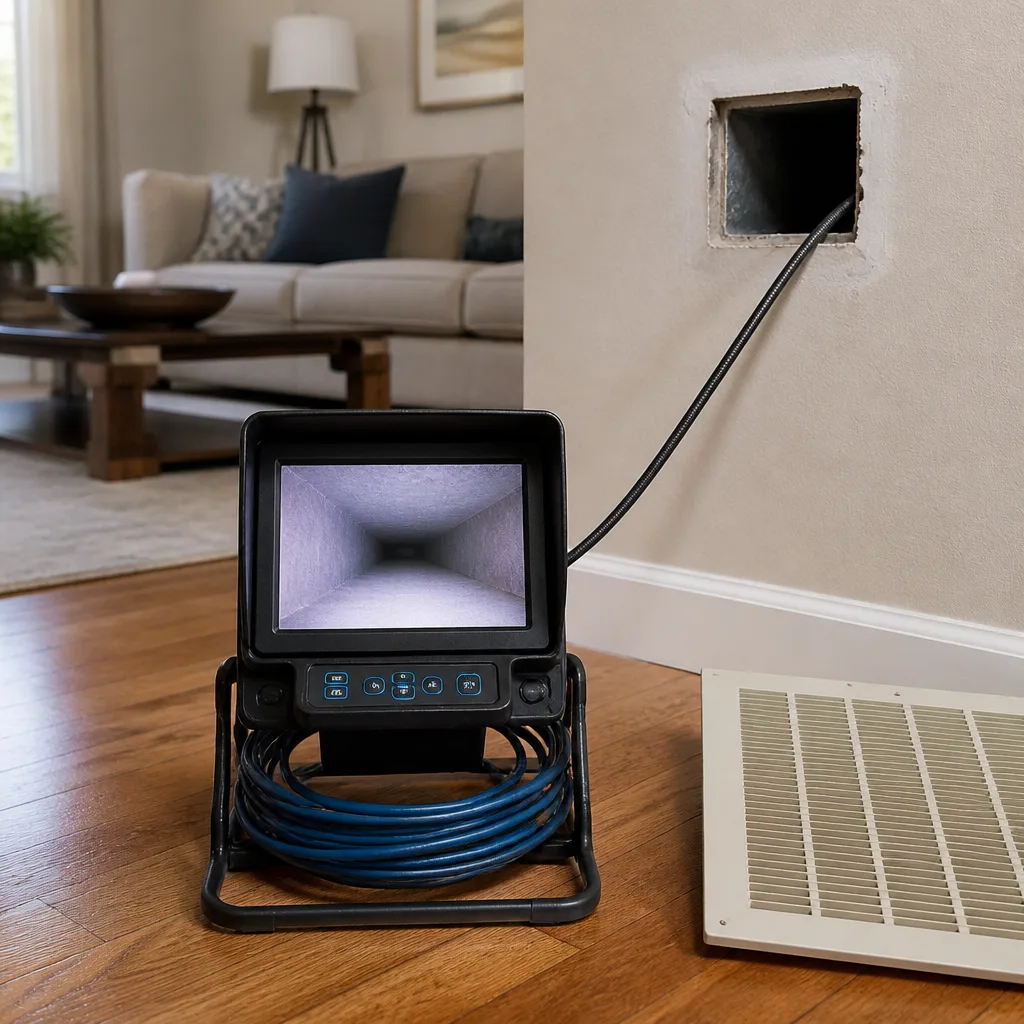 Camera inspection
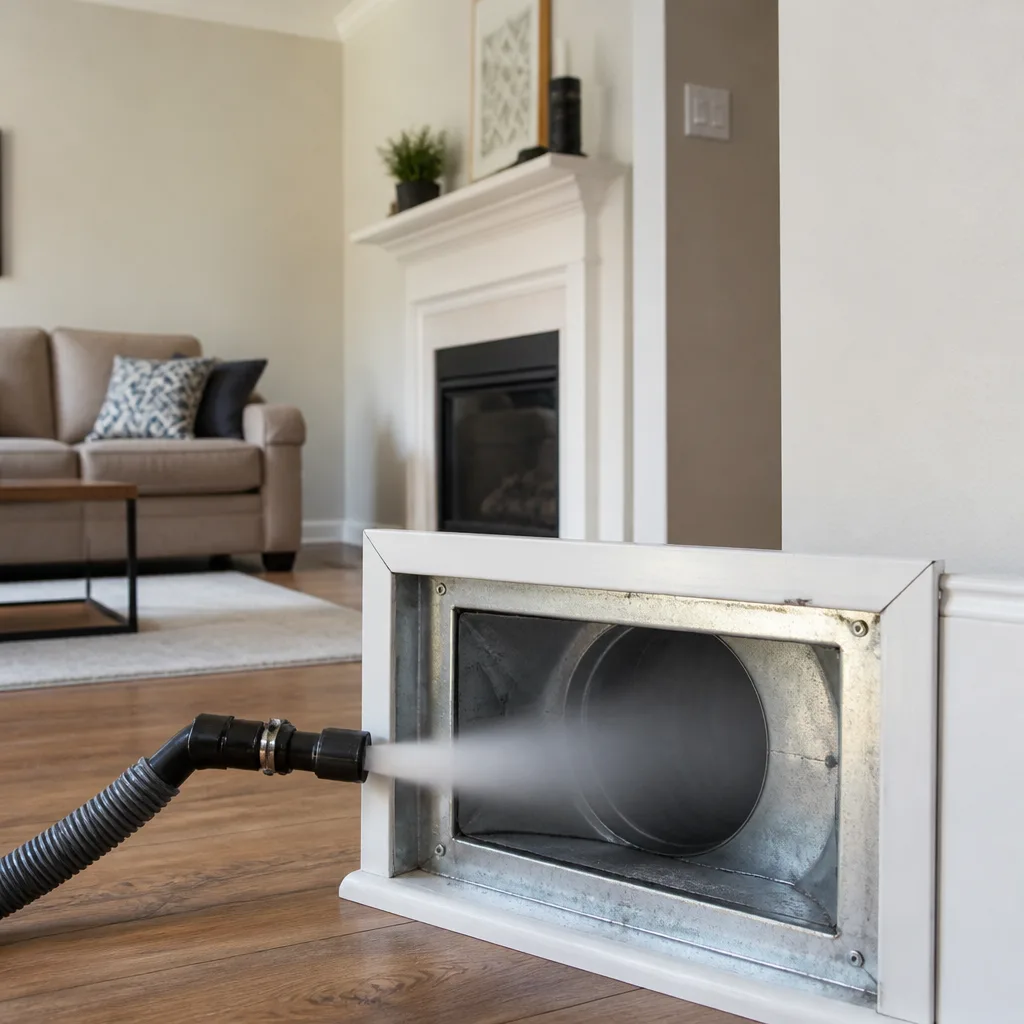 Sanitizing & deodorizing
Whole-system duct and dryer vent check with before-and-after photos - you see exactly what came out of your vents
That "$99 whole-house special" is a bait ad - the real number appears once they are in your hallway, or the "clean" is a shop-vac at the register. We photograph the inside of your ducts before and after instead.
Air Duct Cleaning Emergency Preparedness Guide for West Brighton Homes
After a kitchen fire, most homeowners call a restoration company for the visible damage and never think about the duct system. That system has been moving smoke particulate, soot, and combustion byproducts through every room for the entire duration of the event. The same oversight shows up after a burst pipe or a heavy storm: the house looks handled, the air path doesn’t. This guide covers the response sequence that protects ductwork in a West Brighton home, from the first hour through the insurance documentation that follows.
Quick Answer
After a fire, flood, or major dust event in a West Brighton home, shut off the HVAC system immediately and call for a professional inspection before running it again. Wet ductwork needs to be dried and treated within 48 hours to stop microbial growth, and the duct system should be photographed and documented before any cleaning begins so an insurance claim has a record. Emergency restoration cleaning is a full-system job, not a register wipe-down.
Styles & brands we work with
- Whole-home duct cleaning
- Dryer vent cleaning
- Camera inspection
- Sanitizing & deodorizing
Table of Contents
- What to Do After a Fire: The Post-Fire Duct Protocol
- Flood and Water Intrusion: The 48-Hour Window
- Storm, Demolition, and Construction Dust Events
- Documenting Duct Condition for Insurance
- Emergency Restoration vs. Routine Cleaning
- What Professional Emergency Equipment Actually Looks Like
- Building a Duct System Emergency Plan Before You Need One
- Common Mistakes to Avoid
What to Do After a Fire: The Post-Fire Duct Protocol
Smoke doesn’t stay in the room where the fire happened. An HVAC system that’s running pulls smoke into the return, pushes it through the supply trunk, and deposits soot on duct walls, dampers, and the air handler coil. The longer the system runs, the deeper that residue settles and the larger the remediation scope becomes. This is the single most important thing to understand about fire response in a West Brighton home: the duct system is part of the fire’s path, not a bystander.
Here’s the sequence we walk homeowners through when they call after a fire:
- Shut the HVAC system off at the thermostat. Do not run heat, cooling, or the fan. Every minute of airflow moves more particulate through the system.
- If there’s a breaker feeding the air handler, switch it off too. This prevents the system from cycling back on if someone adjusts the thermostat.
- Close windows and exterior doors in rooms the fire didn’t touch, so smoke doesn’t get pulled through the house on its own.
- Photograph everything before anyone cleans anything. Duct openings, register faces, the air handler, visible soot lines. This is your claim record.
- Call a full-system duct professional for an inspection that covers the air handler, the trunk lines, and the branch runs, not just the visible registers.
Running the system after smoke exposure is the mistake that turns a manageable cleaning job into a full duct replacement conversation. Soot bonds to galvanized duct walls and to flex duct liners, and once it’s baked on by heat cycling, mechanical agitation alone often won’t lift it without damaging the liner. In West Brighton’s older housing stock, where flex duct runs are common in finished basements and attic conversions, that liner damage is the expensive outcome. We repair what we find, and Duct Repair & Sealing is part of the same visit rather than a separate contractor appointment.
Flood and Water Intrusion: The 48-Hour Window
Water in a duct system starts a clock. Microbial growth can establish in wet ductwork within 48 hours, and once it’s growing on a porous liner or insulation blanket, cleaning is no longer the whole answer. The window is short enough that the first day matters more than the second.
A flooded basement, a burst supply line, or a roof leak that reaches ceiling ductwork all create the same condition: moisture inside a system that’s designed to stay dry and stay dark. Both of those things are exactly what mold needs.
Emergency containment steps before a technician arrives
- Stop the system. Fan off, thermostat off. Moving humid air through the house spreads the problem and loads the filter with wet debris.
- Isolate the wet zone. Close interior doors between the affected area and the rest of the house. If the ducts themselves are wet, keep registers in dry rooms closed so the system isn’t used to redistribute moisture.
- Pull standing water away from duct penetrations. Towels, a wet vac for surface water, anything that keeps the floor around floor registers from staying saturated.
- Do not run a household fan or portable heater into the ductwork. Improvised drying pushes debris into the system and can create a fire hazard if the wiring in the air handler is suspect.
- Get the system looked at within the first 48 hours. Drying and treating inside that window is the difference between a cleaning job and a duct replacement.
We handle drying verification, cleaning, and sanitizing as one scope using Abatement Technologies filtration equipment and Guardsman treatment products, so there’s no handoff gap where wet ductwork sits waiting for a second company. In our experience, homes that get the ducts dried and treated inside that window are dramatically better off than homes where water sat for several days before anyone looked. If you’re not sure whether your West Brighton ducts are wet, that’s a call, not a guess.
Storm, Demolition, and Construction Dust Events
Fine particulate from nearby demolition, road work, or a major renovation infiltrates a duct system in ways a filter change doesn’t fix. The particles small enough to matter are also small enough to pass through a standard filter and settle inside the duct runs, the air handler, and the return plenum. Once they’re inside, every cycle of the system lifts them back into the living space.
West Brighton sits in a part of the region where older homes are steadily being renovated and re-sided, and where infill construction happens on lots next to occupied houses. If a project next door involves demolition, concrete cutting, or sanding of old exterior finishes, the dust load on a neighboring duct system can climb fast. The same is true after a wind-driven storm that deposits grit and debris through roof vents, soffit vents, and any compromised return connection.
Why filter replacement isn’t enough
A filter protects the air handler. It doesn’t clean the duct walls, and it doesn’t remove particulate that has already passed the filter and settled on the interior surface of the trunk and branch runs. After a major infiltration event, the correct sequence is a full cleaning of the air path, followed by whatever filtration upgrade the system can support. We install Honeywell and Aprilaire filtration products specifically because they close the gap between a filter’s rating and the particle size that actually causes problems. Our technicians have up to 9 years of experience diagnosing exactly where that infiltration load has landed.
Documenting Duct Condition for Insurance
An insurance claim for duct remediation lives or dies on documentation captured before cleaning begins. Once the system is clean, there’s nothing left to photograph, and a claim reviewer has no way to verify the scope of the loss. Documentation is the homeowner’s job in the first hour, and it’s the single most overlooked step in emergency response.
Here’s the photo protocol we recommend to every West Brighton homeowner who calls us after a loss event:
- Photograph each register and return face before touching it. Close-up, then a wider frame that shows the room and the register together so location is unambiguous.
- Photograph the air handler and the duct connections at the unit. Include the filter, the coil area, and the plenum connection in wide shots.
- Capture any visible soot, water staining, or debris inside the duct where you can safely see it. Don’t reach into ductwork to get a better angle; photograph from the opening.
- Photograph the cause. Fire damage, waterline height on walls, the storm-damaged roof section. The reviewer needs the origin along with the result.
- Note the date and time of every photo. Most phone cameras do this automatically. Don’t rely on memory later.
- Keep the HVAC system off until a professional has documented it too. A written scope of findings from the duct company pairs with your photos in the claim file.
We include before-and-after photos of your own system in every job we do, which turns out to be useful twice: the before photos support the claim, and the after photos confirm the work was actually completed to the scope that was quoted.
Emergency Restoration vs. Routine Cleaning
Emergency restoration cleaning and routine maintenance cleaning are different jobs with different scopes, different equipment demands, and different urgency. Treating them as the same thing is how homeowners end up with a superficial cleaning after a real contamination event.
- Routine cleaning addresses normal accumulation over years of use. The scope is the full air path, but the condition is a buildup of ordinary dust and debris. Scheduling flexibility is fine.
- Emergency restoration cleaning follows fire, flood, or major particulate infiltration. The scope is the full system plus the air handler plus sanitizing, and the timeline is measured in hours, not weeks. Contaminants in this category include soot, combustion byproducts, and active microbial growth, and the cleaning has to be verified, not assumed.
- Equipment differs. Emergency work needs HEPA-level filtration on the vacuum side so contaminants aren’t exhausted back into the house during cleaning. Abatement Technologies air filtration equipment is built for that. Consumer-grade vacuums and generic brushes are not.
- Repair is often part of the job. Fire and water events damage duct connections, seals, and liners. A cleaning-only scope leaves the system leaking, which undoes the cleaning over time. Duct Repair & Sealing belongs in the same visit.
Our full-system service covers air duct cleaning, dryer vent work, and HVAC cleaning under one company, which matters most in exactly this scenario: after an emergency, you want one scope, one documentation trail, and one point of contact.
What Professional Emergency Equipment Actually Looks Like
The difference between a real emergency cleaning and a cosmetic one comes down to equipment, and it’s worth knowing what to look for when you’re evaluating a company under pressure. Rotobrush rotary brush systems and Nikro vacuum units are the equipment serious contractors use because they agitate and extract at the same time, reaching duct surfaces that a straight vacuum pull can’t touch. Both are commercial-grade systems, not repackaged shop vacuums.
On the containment side, a proper emergency job uses negative pressure and HEPA filtration so that the contaminants being removed from the ductwork don’t end up in the air the homeowner is standing in. That’s the reason Abatement Technologies equipment shows up on restoration job sites. For microbial and odor issues, Guardsman treatment products address the contamination itself rather than masking it.
If a company shows up after a fire or flood with a portable vacuum and a brush, that’s a routine cleaning being sold as emergency work. The scope, the equipment, and the documentation all have to match the event.
Building a Duct System Emergency Plan Before You Need One
The best time to think about duct emergency response is before anything happens. A short written plan takes twenty minutes to put together and saves hours of confusion during an event when nobody’s thinking clearly.
- Find your air handler and label the breaker that feeds it. Write it on a card and tape it inside the panel door. In an emergency, you want to kill power to the system without hunting.
- Photograph every register and return in the house now, while the system is clean. Keep those photos in a folder on your phone. A pre-event baseline makes post-event documentation far more persuasive to a claim reviewer.
- Note the make and model of your air handler and filtration setup. If you’ve had filtration upgrades installed, record what’s in place.
- Keep the duct company’s number where you’ll find it under stress. Not buried in an email folder.
- Know the 48-hour rule by heart. Water in ductwork starts a microbial clock, and every hour counts.
- Schedule a routine cleaning on a normal timeline. A system that starts clean recovers faster from an event, and a technician who’s already seen your layout works faster under pressure.
If you haven’t had the system looked at in several years, that’s the gap to close now. Book a routine HVAC cleaning and pair it with dryer vent cleaning while the technician is on site; dryer vents are a fire-risk item that many companies skip entirely, and addressing both at once gives you a documented baseline for the whole air path. For a broader overview of the services and how they fit together, see Air Duct Cleaning West Brighton.
Common Mistakes to Avoid
- Running the HVAC system after a fire. Every cycle of the fan moves more soot into the duct walls and air handler. Shut it off first, then call.
- Waiting past 48 hours on wet ductwork. Microbial growth establishes fast in the dark, damp interior of a duct run. Drying and treating inside the window is the whole game.
- Skipping photos before cleaning. Once the ducts are clean, the claim record is gone. Document first, clean second.
- Accepting a register-only cleaning after a major event. Wiping visible vent faces leaves the trunk and branch runs contaminated. The full air path is the scope, from the air handler to the last vent.
- Replacing filters and calling it done after construction dust infiltration. A filter change doesn’t clean the duct walls, and fine particulate has already settled inside the runs by the time you notice.
- Hiring a company that can’t repair what it finds. A damaged seal or liner left unfixed undoes the cleaning over time. Confirm repair and sealing are in scope before the job starts.
- Letting the dryer vent slide. It’s a real fire risk and it’s separate from the duct system. A full-system emergency plan covers both.
See the difference
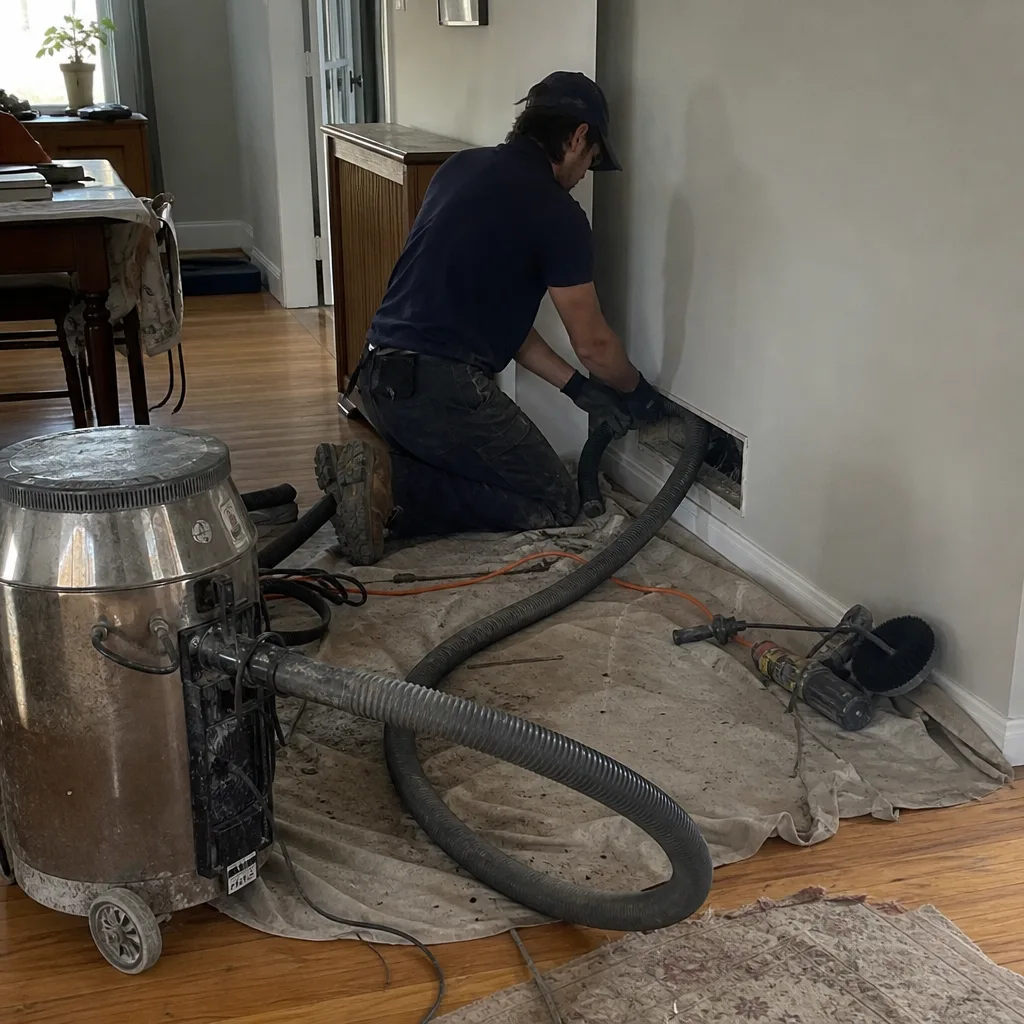 Before
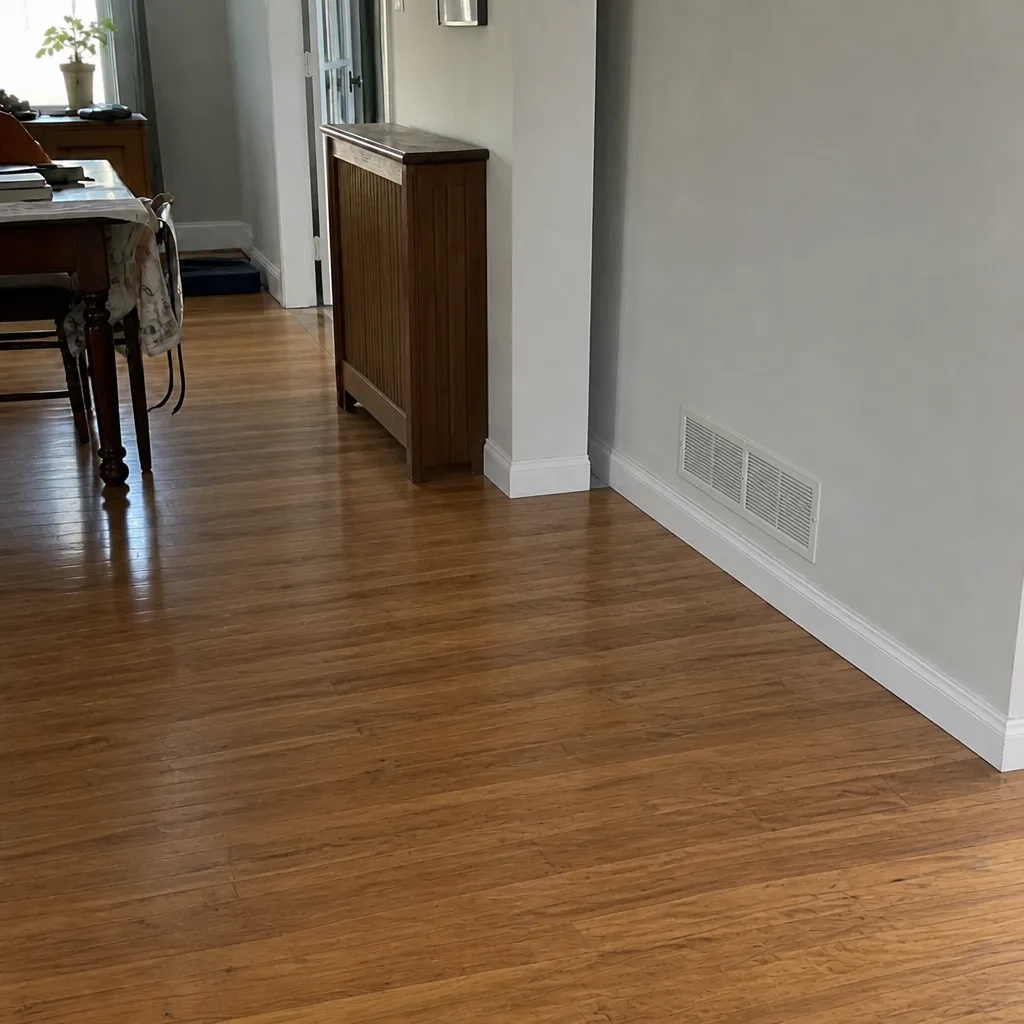 After
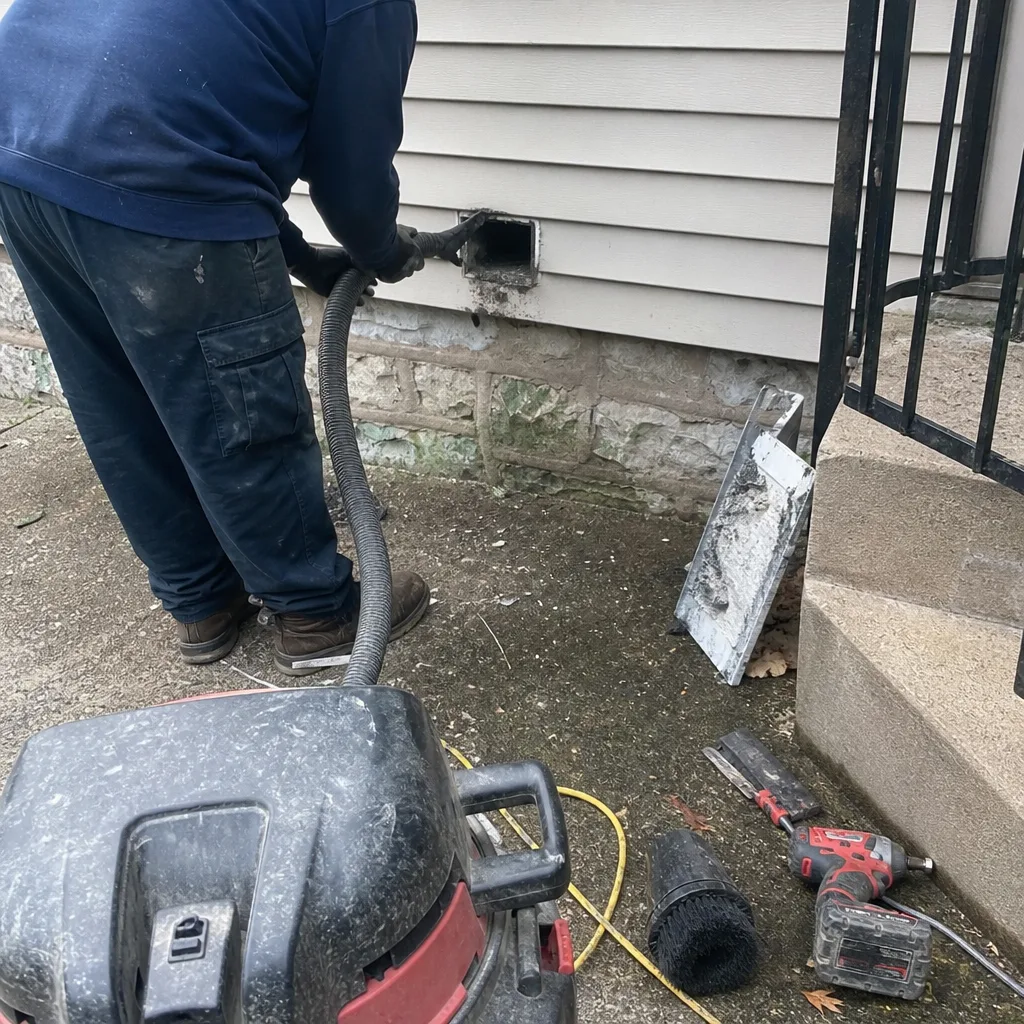 Before
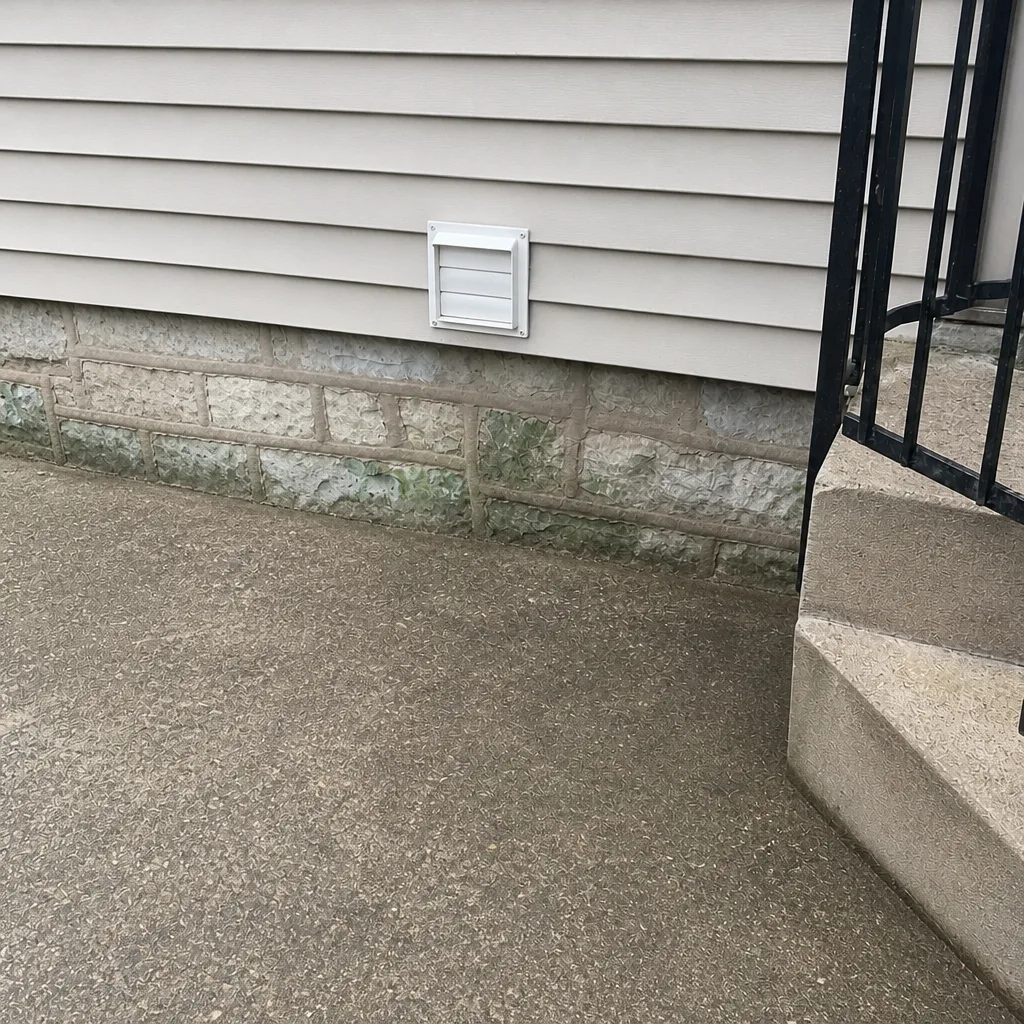 After
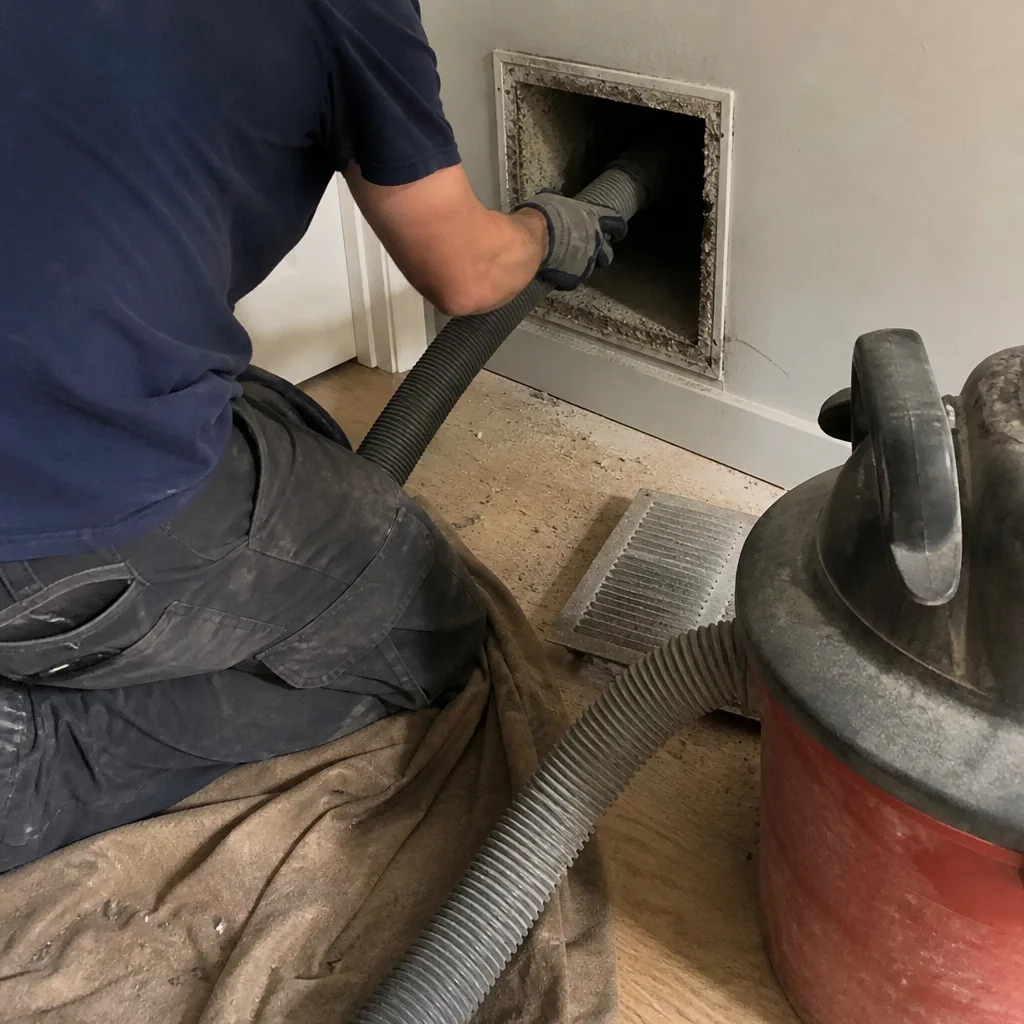 Before
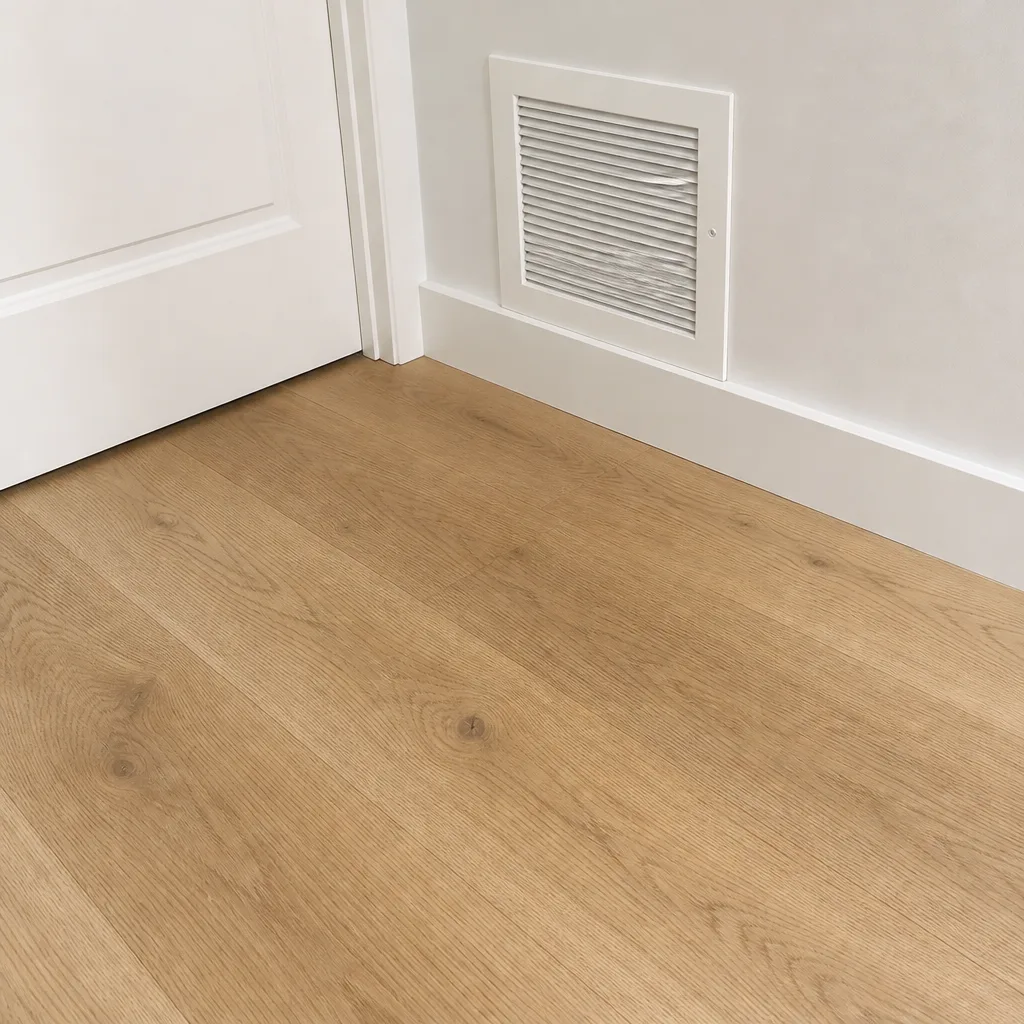 After
When to Call a Professional
Call a professional immediately after any fire that produced smoke inside the house, after any water intrusion that reached ductwork or the air handler, and after a storm or demolition event that pushed visible dust into the living space. Call if the system has been running since the event, if you can smell smoke or mustiness coming from the registers, or if you can see staining inside a return. Call if the system is making noise or the airflow has dropped since the event, and call if you’re not sure whether the ducts got wet: that’s a question for someone with a moisture meter. Air Duct Cleaning West Brighton offers free estimates in West Brighton, and we answer 24/7 at (877) 699-0106. The estimate is free, the price is one flat price per system agreed before work starts, and you get before-and-after photos of your own ducts when it’s done.
Frequently Asked Questions
As soon as the fire is out and the system has been shut off, call for an inspection. The sooner the duct system is assessed, the smaller the remediation scope. Smoke residue bonds to duct surfaces over time and with heat cycling, so the window between “cleaning” and “replacement conversation” narrows fast. Call (877) 699-0106 for an exact quote; estimates are free.
The price depends on the size of the system, the condition after the event, and whether repair and sealing are needed, so we don’t quote a teaser number over the phone. The estimate is free and the final price is the written one, agreed before work starts. Call (877) 699-0106 for an exact quote; estimates are free.
Cheap quotes after an emergency usually mean a register-only cleaning without containment, without HEPA filtration, and without sanitizing. That’s a routine cleaning sold against a restoration scope, and it leaves the trunk and branch runs contaminated. We clean the full air path from the air handler to the last vent, and we repair what we find. Call (877) 699-0106 for an exact quote; estimates are free.
No. A filter protects the air handler, but it doesn’t clean particulate that has already settled inside the duct runs. After a major infiltration event, the correct step is a full cleaning of the air path followed by any needed filtration upgrade. Call (877) 699-0106 for an exact quote; estimates are free.
We photograph your system before and after the job, so you can see the condition of your own ducts rather than taking our word for it. You also get a written scope of what was cleaned, what was repaired, and what was treated. Call (877) 699-0106 for an exact quote; estimates are free.
We’re closed Saturday. We’re open Sunday through Friday, 7am to 7pm, and we answer the phone 24/7. A call outside dispatch hours is booked into the next opening, Sunday through Friday, 7am to 7pm.
For a normal household, routine cleaning every few years is reasonable, and sooner if anyone in the home has allergy symptoms, if there’s visible dust at the registers, or if the system hasn’t been serviced in several years. A system with a clean baseline recovers faster from an emergency event. Call (877) 699-0106 for an exact quote; estimates are free.
The Bottom Line
Duct emergencies are won or lost in the first day. Shut the HVAC system off after fire or water, get the system inspected within 48 hours of any wet event, and photograph everything before cleaning begins. Emergency restoration cleaning is a full-system scope with containment and HEPA filtration, not a register wipe-down, and repair and sealing belong in the same visit because that’s where damage from fire and water actually lands. Build the preparedness plan now while the system is clean and the pressure is off. Call (877) 699-0106 for a free estimate. We answer 24/7. Fast dispatch from 7am to 7pm, Sunday through Friday.
Written by the team at Air Duct Cleaning West Brighton.