
Last updated November 24, 2026
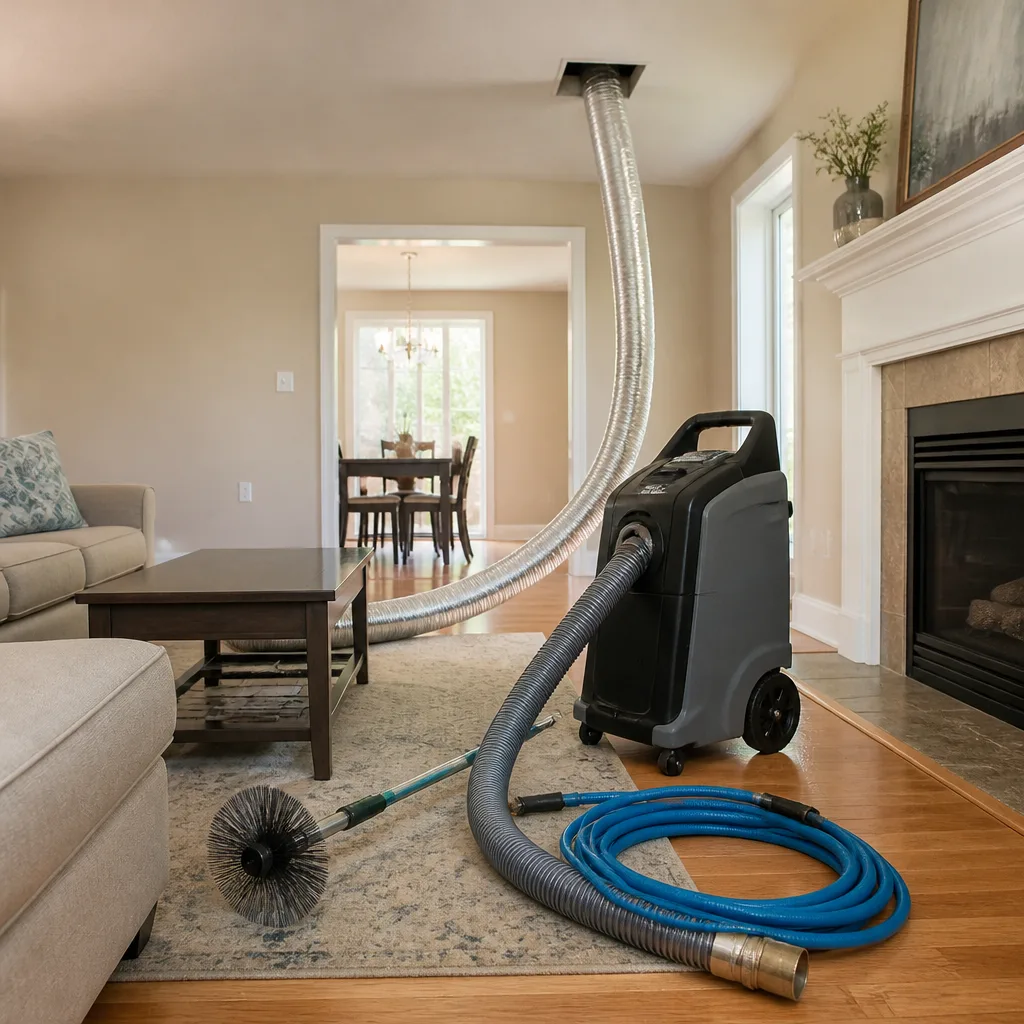 Whole-home duct cleaning
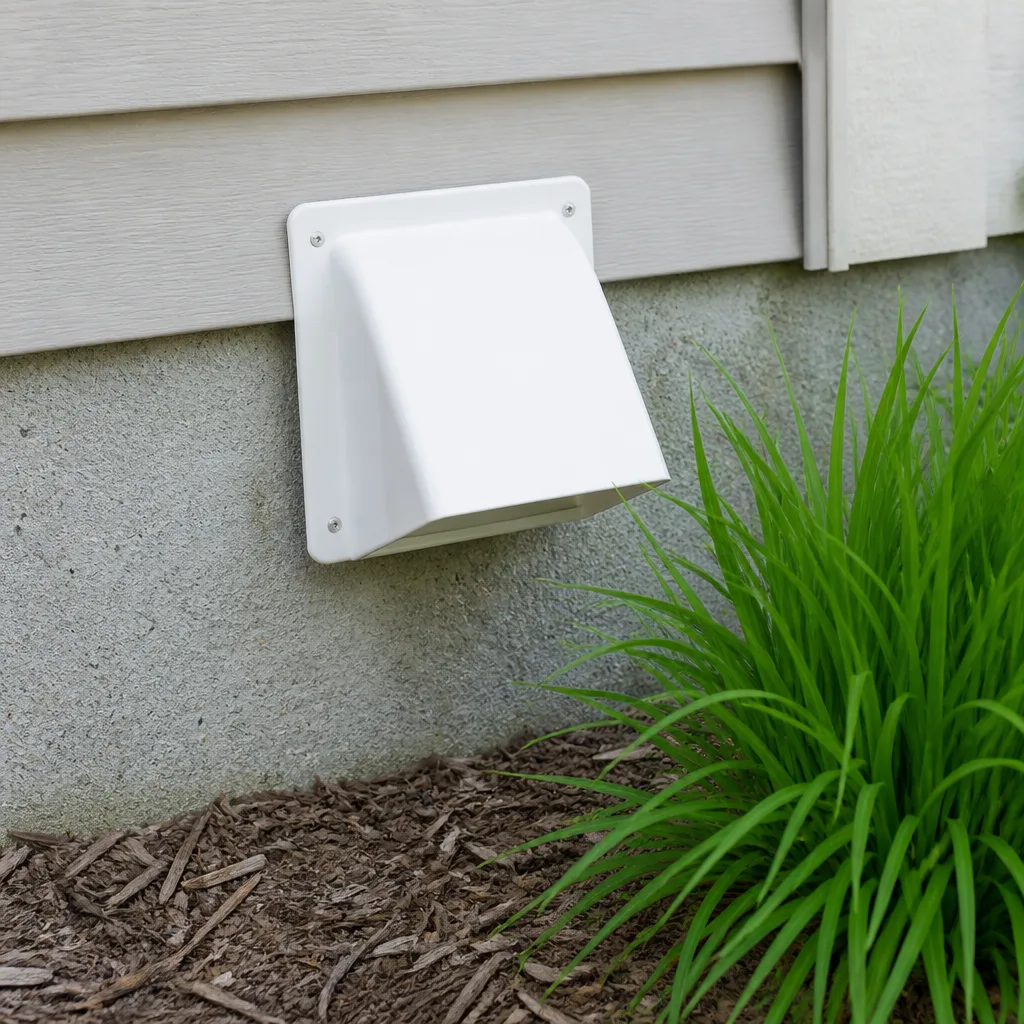 Dryer vent cleaning
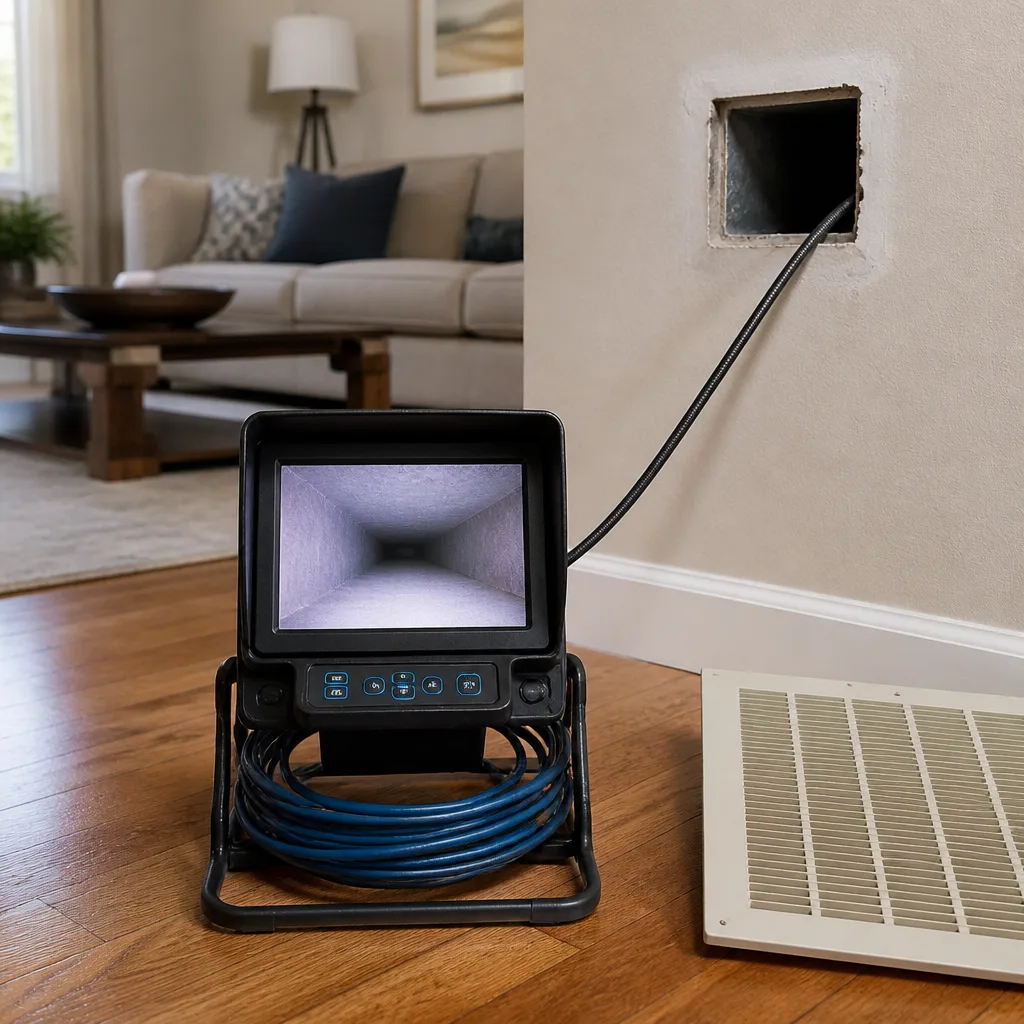 Camera inspection
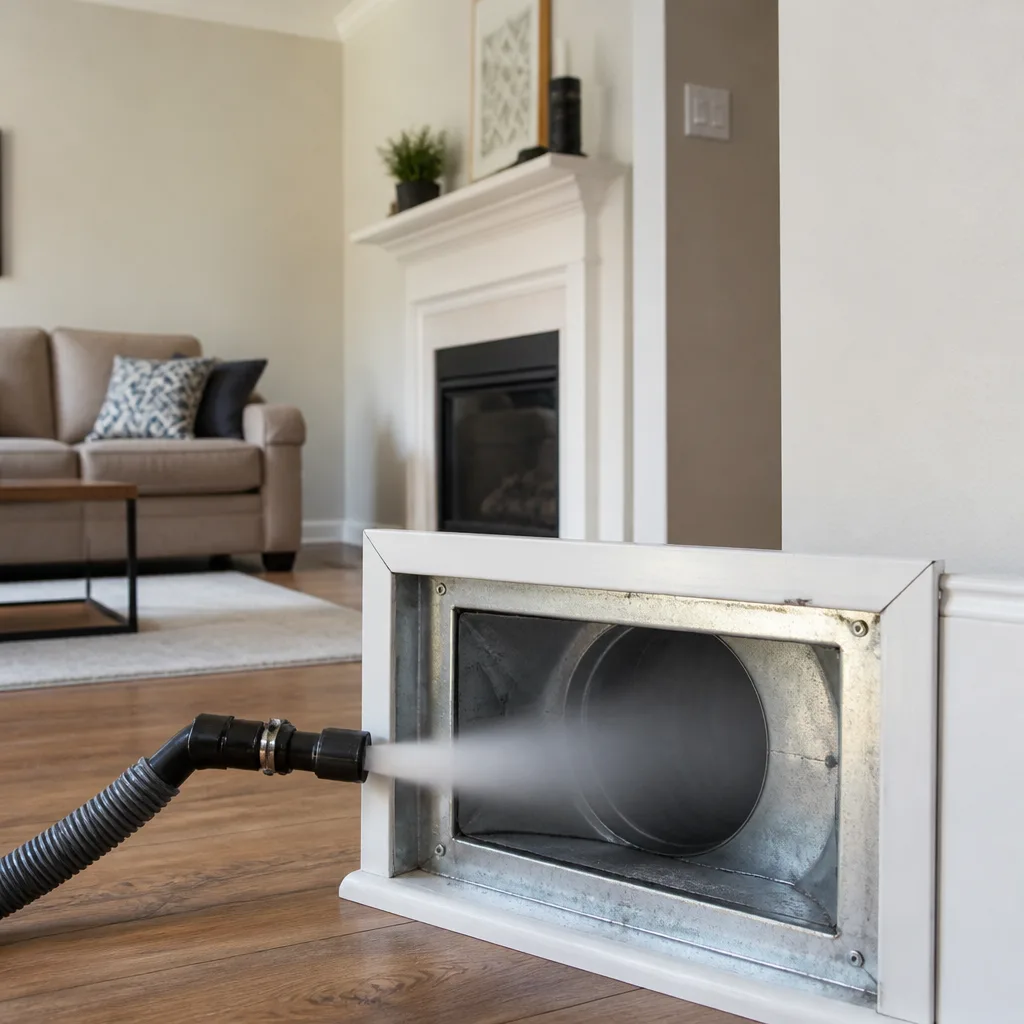 Sanitizing & deodorizing
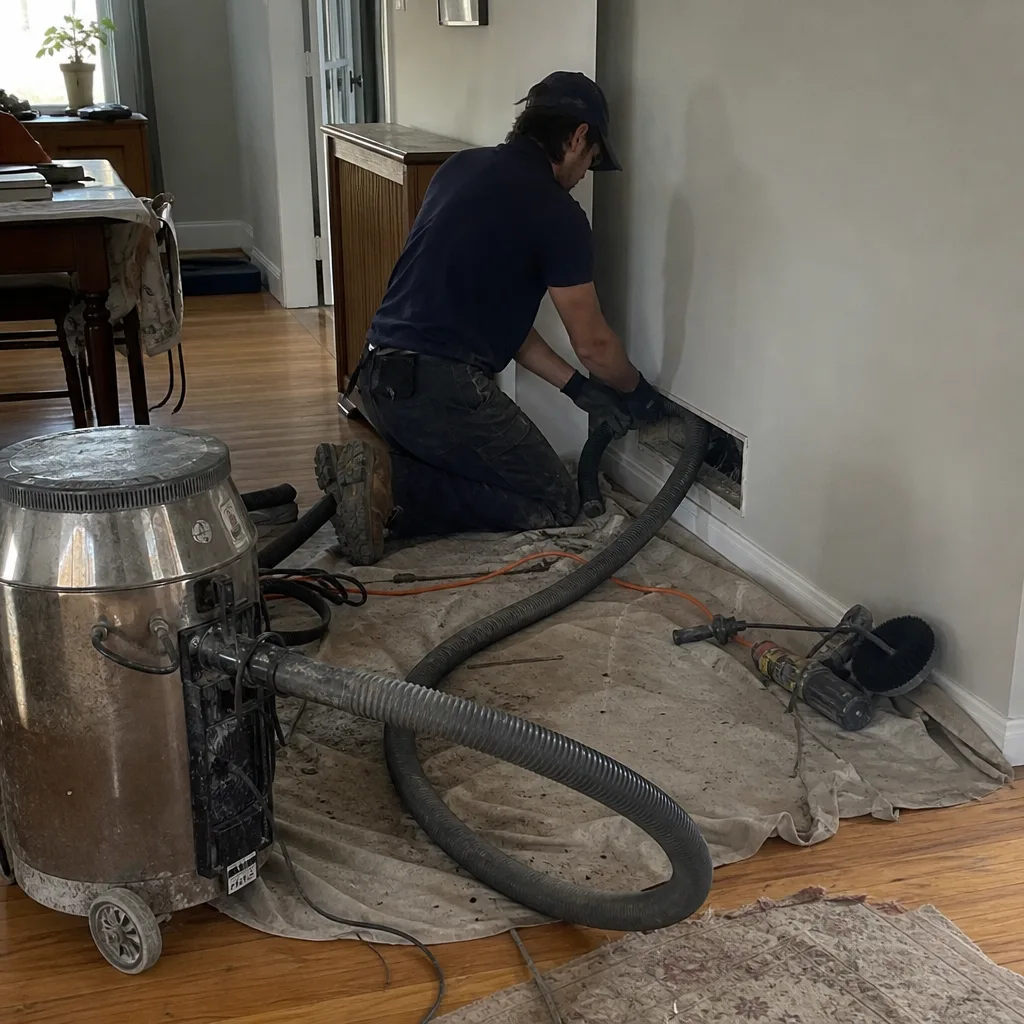
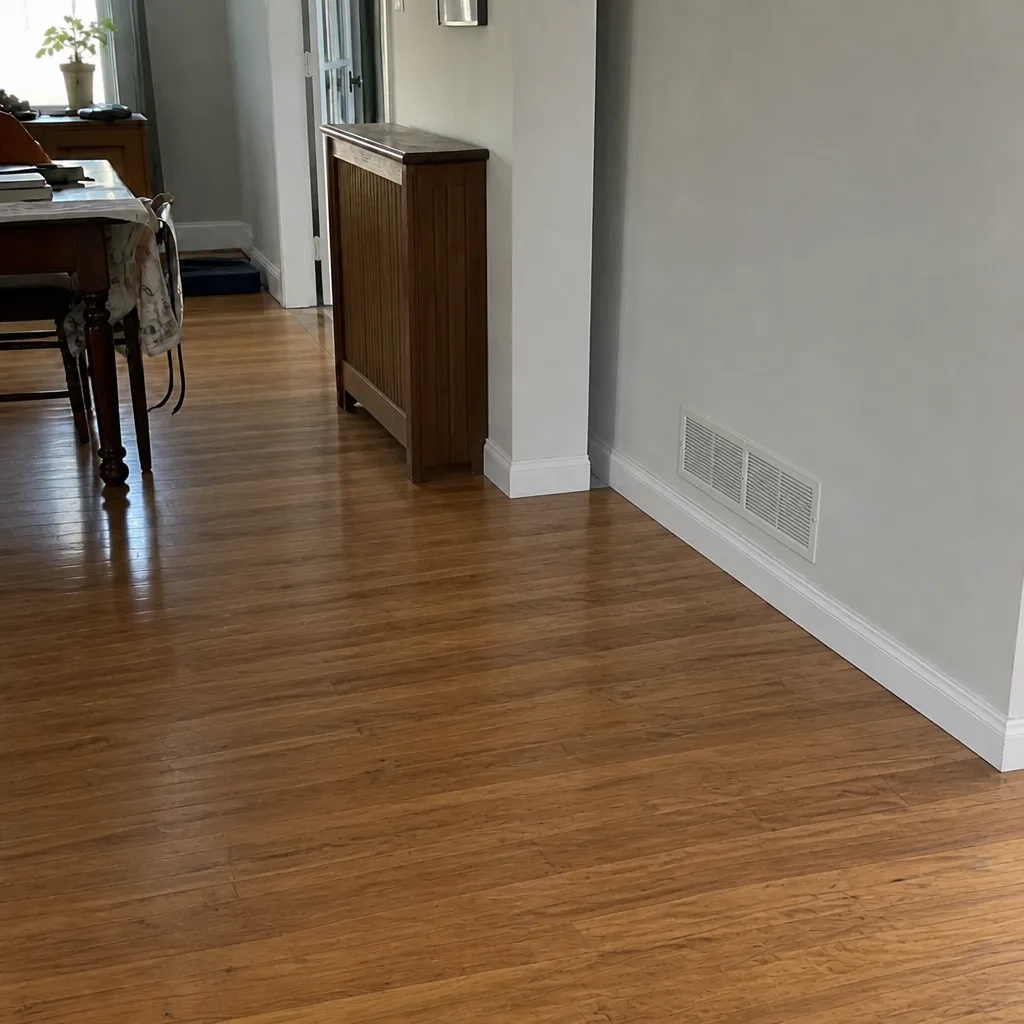
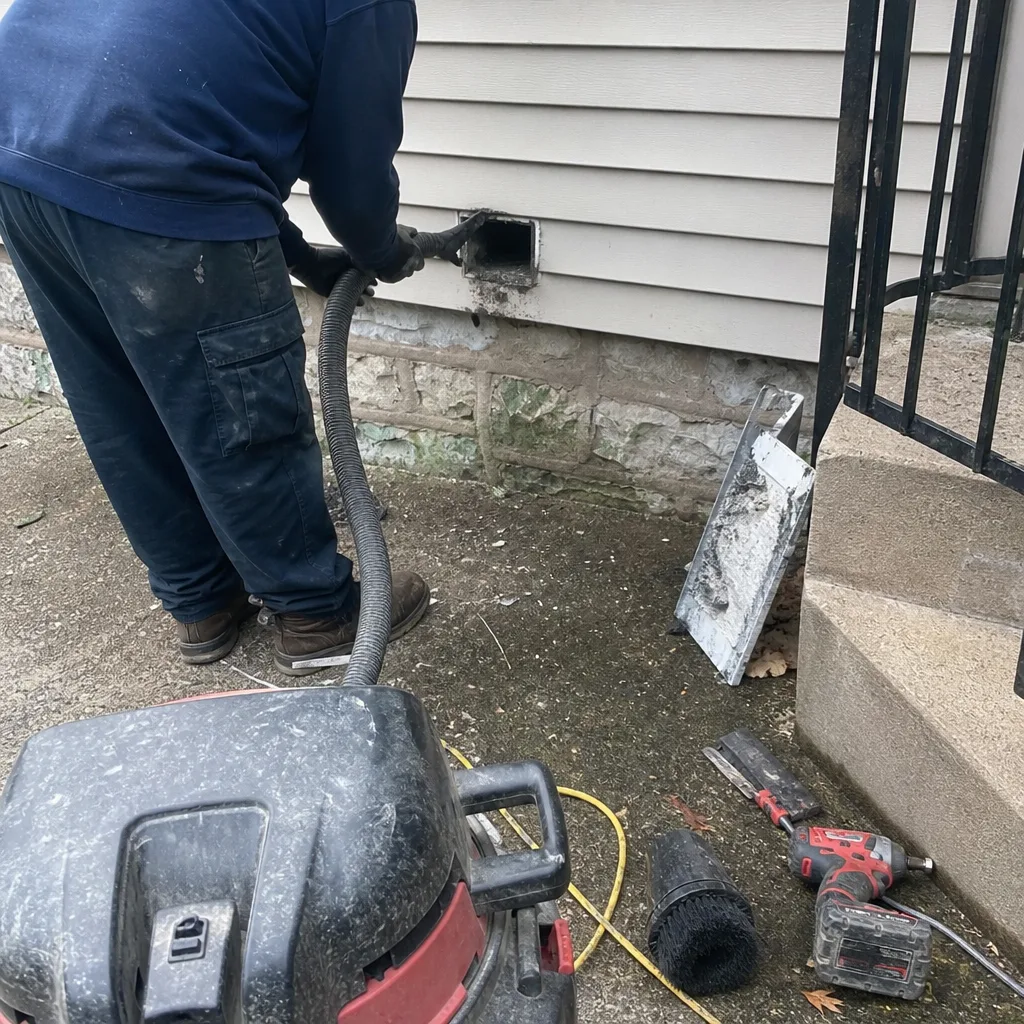
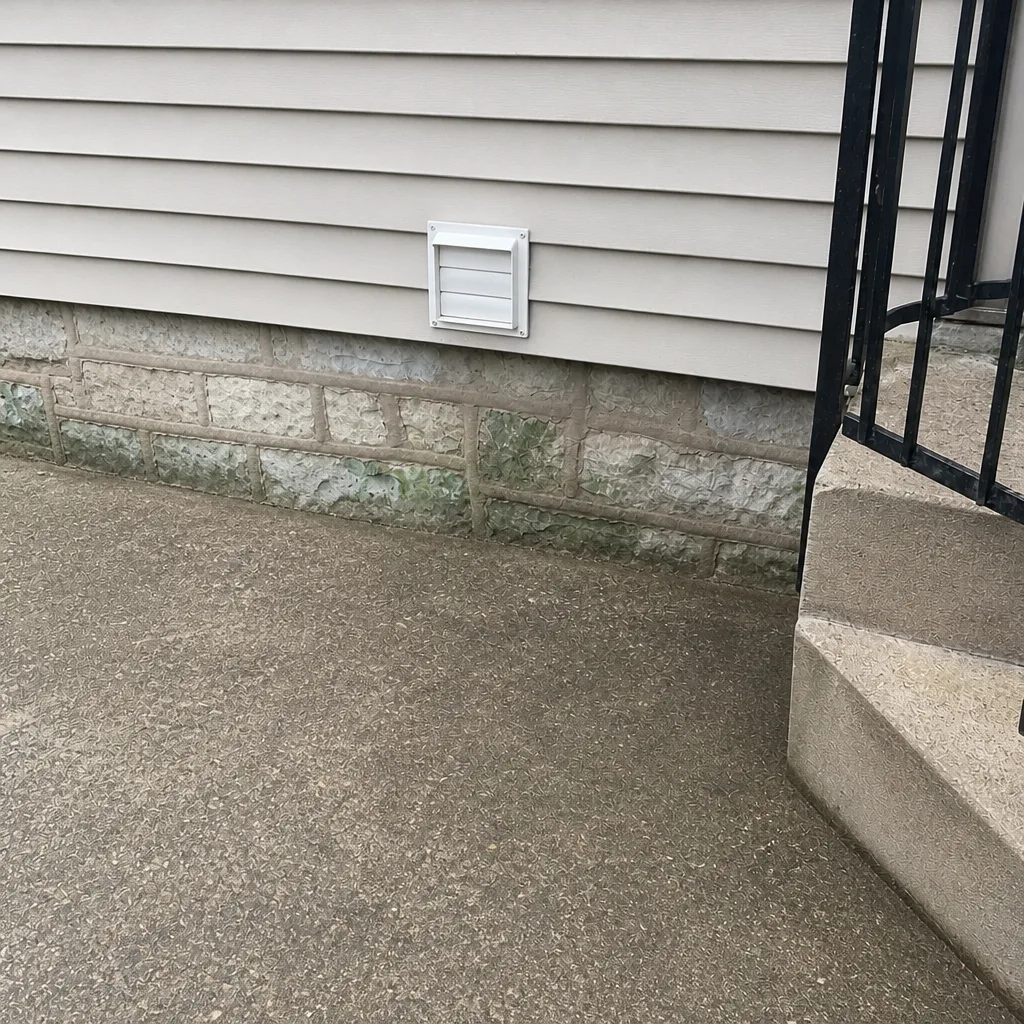
Whole-system duct and dryer vent check with before-and-after photos - you see exactly what came out of your vents
That "$99 whole-house special" is a bait ad - the real number appears once they are in your hallway, or the "clean" is a shop-vac at the register. We photograph the inside of your ducts before and after instead.
Seasonal Air Duct Cleaning Care for West Brighton: Year-Round Homeowner’s Guide
The worst time to discover your ducts are coated in a summer’s worth of biological growth is the first cold day in October, when the heat kicks on and the smell hits every room at once. Most homeowners treat duct cleaning as an annual box to check, usually whenever a coupon lands in the mailbox. That schedule ignores how a West Brighton duct system actually lives through the year: humid summers feed microbial growth in the plenum and supply runs, then months of heating bake that debris onto the liner. By spring, what was a light film is a bonded layer. This guide walks through the seasonal windows that matter, what to inspect at each one, and how to sequence cleaning with your HVAC maintenance so the two reinforce each other.
Quick Answer
Duct cleaning in West Brighton is most valuable when it’s timed to the season that creates the problem. Late spring is the best inspection window because it follows a full heating cycle and precedes peak humidity. Fall is the second key window, done before the system runs continuously. A single annual cleaning placed at the wrong time of year cleans debris you’ll simply reaccumulate in weeks. Cleaning aligned with your system’s actual stress points keeps the air pathway cleaner for longer.
Styles & brands we work with
- Whole-home duct cleaning
- Dryer vent cleaning
- Camera inspection
- Sanitizing & deodorizing
Table of Contents
- Why Season Matters More Than Frequency in West Brighton
- Late Spring: The Highest-Value Inspection Window
- Summer Humidity and Microbial Activity in Ductwork
- The Fall Pre-Heating Checklist
- Winter Maintenance You Can Do Without a Technician Visit
- Sequencing Duct Cleaning Around HVAC Tune-Ups
- Signs Your West Brighton Home Is Due for Whole-System Cleaning
- What a Complete Air System Service Covers
Why Season Matters More Than Frequency in West Brighton
Duct debris isn’t a static thing. It accumulates, gets pressed into place by airflow, gets moistened by humidity, gets dried and baked by heat, and starts over. Every stage of that cycle depends on what the outdoor climate is doing and how hard your system is running. West Brighton sits in one of the more humid corners of the Northeast in summer and in a cold, dry heating season in winter, and both ends of that swing affect your ducts differently. That’s why a single “every twelve months” cleaning schedule often lands in a season where the intervention does least.
What matters is the sequence. The heating season presses debris into supply liners. The humid season promotes biological growth in moisture-prone zones. The transitional windows are when you can intervene before the next round of stress begins. Our technicians have up to 9 years of experience and consistently see that the timing of a cleaning job affects how long the result holds, even more than the equipment used. That’s the seasonal logic behind everything in this guide.
The practical takeaway is that a West Brighton homeowner should think of duct care as two calibrated touchpoints per year, not one blanket annual cleaning. One in late spring, one in early fall. Each addresses what the previous season left behind and prepares the system for what’s coming. Any deep cleaning beyond that should be triggered by an actual symptom, not by the calendar. We’ve seen systems that needed more than the two seasonal touchpoints and systems that needed less, and the way to tell the difference is an inspection, not a guess.
Late Spring: The Highest-Value Inspection Window
Late spring is the single most valuable time to inspect a West Brighton home’s ductwork, and it’s the window most homeowners skip because they’re not yet thinking about the system at all. By late spring the heating season is done. Every cubic foot of warm air that passed through the supply runs over the winter has deposited fine particulates along the liner walls. Those deposits have had weeks to settle and dry. You can see them clearly, and you can remove them cleanly with a rotary brush and high-volume vacuum.
What to look for in the return plenum after a full heating cycle:
- Uniform dust loading. A grey-brown film along the return plenum walls and the first several feet of return trunk is normal. Heavy, uneven accumulation, particularly near the blower compartment, suggests the filter wasn’t seated properly for part of the season.
- Filter bypass streaks. Look for dark streaks around the filter frame. Air slipping past the filter carries particles straight into the return, and those streaks mark the leak path.
- Loose or detached liner. Interior duct insulation that has separated from the metal can flap under airflow and shed fibers. It’s one of the most common findings in West Brighton homes older than a couple of decades.
- Visible moisture or staining. Any rust, condensation trail or staining suggests outside air is getting in or a nearby moisture source is close. This is a repair-and-sealing issue before it’s a cleaning issue.
- Odor at the return grille. A musty or dusty smell right at the return grille is the strongest single indicator that biological activity has started and should be addressed before humidity climbs.
This is also the ideal window to schedule a duct cleaning visit, since the debris is settled, dry, and easy to remove in one pass. Our Air Duct Cleaning West Brighton service is designed around exactly this scenario, and doing the work now means the humid months have a cleaner surface to work on.
Summer Humidity and Microbial Activity in Ductwork
West Brighton in summer is humid, and humid air inside a duct system creates conditions for biological activity. The specific threshold that matters in our experience is a sustained interior duct relative humidity above roughly 60 percent. Below that, mold and mildew struggle to establish. Above 70 percent, and especially in zones where the ducts sit inside conditioned space, biological growth becomes realistic within weeks. West Brighton summers push past that threshold regularly, particularly in the cooler duct runs that serve finished basements.
That’s why summer is the season when our air duct cleaning work most often extends beyond simple debris removal. Cleaning is still the essential first step, but once a system has sat through weeks of high humidity with dust on the liner, sanitizing becomes a legitimate part of the job. We use Abatement Technologies filtration and Guardsman treatment products because they’re designed for the kind of contaminant control this climate drives, not because they’re convenient. The goal is measured improvement, not a smell-masking spray.
Three things West Brighton homeowners should watch for during the humid months:
- Cooling coil condensation overflow into the plenum. A partially clogged condensate drain lets water sit against the interior of the air handler and the first run of supply duct. Ask whoever services the system to check the drain line at every visit.
- Muggy air from supply registers on mild days. If the system short cycles, ducts can stay cool and damp without drying. Longer, less frequent run times are better for the duct interior.
- Musty smell that shows up only in humid weather. This is the biological activity indicator. It’s worth addressing before it becomes the baked-on smell of fall.
One note on safety: never open the air handler cabinet or attempt to access the coil without the right training. Condensate lines, high-voltage controls and refrigerant components are all there, and the risk is real. A trained technician should be the one inspecting the interior of the unit.
The Fall Pre-Heating Checklist
Fall is the second high-value window, and it comes with specific tasks that should happen before the system starts running continuously. The goal is to walk into heating season with a clean, sealed, well-filtered system so nothing that accumulated over the summer gets baked onto the liner.
Run through these items in the weeks before your first sustained heating period:
- Inspect the blower compartment. With the unit’s power off, open the blower access panel and look for dust accumulation on the blower wheel blades and the interior of the compartment. A fouled blower wheel cuts airflow and pushes more dust into the ducts. Don’t disassemble anything beyond the panel – this is a visual check.
- Check filter seating. The filter should sit flush in its track with no gaps around the edges. A filter that’s cocked or too small lets air bypass around it, which defeats the purpose. Fit a fresh filter at proper MERV for your system, and note the size for future purchases.
- Test supply register airflow balance. Hold a hand at each supply register with the system running. You should feel consistent pressure at every one. A register with noticeably weaker flow suggests a duct leak, a collapsed flex run, or a damper that’s dropped. Uneven airflow across the house is the most common symptom we see in West Brighton homes.
- Confirm return airflow. Every return should pull with similar force. A weak return is often the sign of a filter that’s clogged or a duct that’s come apart inside a wall cavity.
- Sniff the first-run smell. Run the heat briefly on a cool morning and step outside the nearest supply. A faint dusty smell is normal for the first run of the season. A strong, persistent odor that doesn’t fade after a few minutes is your signal to schedule an inspection.
If anything turns up in that list that requires opening up the system further, our HVAC cleaning covers the air handler and blower compartment properly, and duct repair and sealing are handled in the same visit when they’re needed.
Winter Maintenance You Can Do Without a Technician Visit
Winter is when the system runs hardest, but it’s also the season when the least invasive maintenance pays off, because small changes here compound through months of operation. None of these tasks require a technician visit, and each one has a measurable effect on air quality and system performance.
- Replace the filter on a strict schedule. Running heat continuously loads a filter far faster than shoulder-season operation. Check it monthly during peak heating and swap when it’s visibly grey. Write the date on the edge of the new one so you know when it goes in.
- Keep supply registers clear. Furniture, rugs and long curtains draping over supply registers cut airflow and drive the system to compensate elsewhere. Give each register a clear path.
- Vacuum the return grille face. The grille itself collects dust and restricts airflow when it’s clogged. A quick vacuum of the grille face every couple of weeks is worth doing.
- Watch for condensation on registers. Winter condensation on a supply register is unusual and often points to a humidification issue or an airflow problem. Note it and mention it when you next speak to a technician.
- Seal obvious gaps around registers and duct runs you can reach. Where a duct penetrates a wall or floor, a bead of proper sealant around the gap closes a pathway for unconditioned air. Skip this in any area that requires opening walls, and never attempt it around the air handler itself.
- Notice where the house feels unevenly heated. Drafty rooms or rooms that never warm up in winter point to duct issues that are easier to catch and fix than to live with. Jot down which rooms behave differently, then share the list at your next service visit.
Winter is also the ideal time to upgrade filtration if you haven’t. Honeywell and Aprilaire filter cabinets and media filters deliver meaningful particle capture without restricting airflow the way a higher-MERV one-inch furnace filter sometimes does. It’s an upgrade that pairs naturally with a cleaning visit, not something you have to schedule separately.
Sequencing Duct Cleaning Around HVAC Tune-Ups
Homeowners often wonder whether to clean the ducts before or after an HVAC tune-up, and the answer affects the result. The right order is duct cleaning and repair first, then the HVAC tune-up second, within the same short window. Cleaning pushes dust and debris through the system, including past the air handler, so a tune-up done immediately after means a technician can confirm the blower and coil are clean and set the system up to run on the newly cleaned ductwork.
The sequence that works:
- Inspection first. A proper inspection before any cleaning identifies duct damage, disconnected runs and sealing needs so they’re handled in the same visit.
- Cleaning and repair. The ducts and, where included, the air handler are cleaned with professional-grade equipment. Leaks and disconnected runs are sealed on the spot.
- HVAC tune-up second. Filters are replaced, the blower wheel is checked, refrigerant charge and airflow are verified. The tune-up now confirms the whole system.
- Air quality upgrade last. If Honeywell or Aprilaire equipment is being added, it goes in after the cleaning and tune-up so the new media starts on a clean system.
The mistake to avoid is doing a tune-up first and cleaning afterward. That sequence leaves the freshly tuned system pulling dust through a dirty duct network, which loads the new filter overnight and undoes part of the tune-up. If you’ve already had the tune-up, cleaning the ducts next still helps – you just won’t get the same “clean system, confirmed” result.
Signs Your West Brighton Home Is Due for Whole-System Cleaning
Seasonal timing is the best default, but there are specific signs that a system needs attention outside the two windows. Each of these is a signal worth acting on before the next season amplifies it.
- Allergy symptoms that spike indoors. If a household member notices symptoms worsening inside the house and easing outside, duct dust and biological particulates are a reasonable suspect. An inspection is the diagnostic step.
- Musty or dusty smell that persists after the system runs awhile. A smell that fades after a few minutes is usually dust burning off. A smell that stays is the system telling you something is growing.
- Visible debris at supply registers. Dust puffs when you turn the system on, or darkening around the register edges, mean material is moving through the ducts.
- Inconsistent airflow room to room. One room cold, another hot, in the same house, is often a duct problem more than an HVAC problem.
- Recent renovation or pest activity. Drywall dust and rodent activity both put material into ductwork that isn’t cleared by a filter. Cleaning after these events is worth scheduling.
- Years without service. If the ducts haven’t been cleaned in many years, a baseline cleaning and inspection is worth doing regardless of timing.
The seasonal windows still matter, but symptoms trump the calendar. When in doubt, an inspection settles the question quickly.
What a Complete Air System Service Covers
Many duct cleaning companies handle one leg of the job and hand off the rest: they clean ducts and leave leaks alone, or clean the ducts and shrug at the coil. That approach runs against how the system actually works, because cleaning a system with visible leakage means the next humid season reintroduces outdoor air into the duct interior. Complete air system service means the cleaning, repair, sealing and sanitizing are handled together.
Our scope reflects that: dryer vent cleaning as its own service (a real fire-risk reduction step, separate from ductwork), duct cleaning with Rotobrush and Nikro rotary brush and vacuum equipment, duct repair and sealing on the same visit, air quality and sanitizing using Abatement Technologies filtration and Guardsman treatment products, and filter upgrades with Honeywell and Aprilaire. The same equipment brands commercial and restoration contractors use, not consumer-grade vacuums or generic brushes.
Because that whole scope lives inside one company, a West Brighton homeowner doesn’t coordinate two contractors and wait for one to show up after the other finishes. One inspection, one cleaning visit, one written report. We repair what we find, and we document what changed. That’s the result we aim for.
Common Mistakes to Avoid
- Cleaning only in summer and skipping the fall check. Summer cleaning is great, but without a fall inspection the system walks into heating season with a filter that won’t hold and a supply duct that leaks. Both undo the summer cleaning within weeks.
- Ignoring humidity. West Brighton summers push interior duct humidity above the level that promotes biological activity. Cleaning without addressing moisture sources or adding proper filtration means the growth returns.
- Skipping the return plenum inspection. Most of what a duct problem reveals is visible in the return plenum and filter track. A cleaning that never inspects the return will miss leaks and disconnected runs.
- Using a shop vacuum or consumer brush kit. These tools push as much debris into the system as they pull out. The result looks clean at the register and leaves debris in the ducts. Rotobrush and Nikro equipment exists precisely because consumer tools don’t cut it.
- Doing a tune-up before cleaning the ducts. New filter, dirty ducts. The tune-up result is compromised and the filter loads faster than it should.
- Treating the ducts as a closed system. Return leaks, register gaps and cabinet leaks all pull unconditioned air in. A cleaning job without repair and sealing leaves those pathways open, and West Brighton’s humidity finds them every summer.
- Waiting for a smell to get worse before inspecting. By the time an odor is obvious, biological activity is established. An inspection catches it earlier and the intervention is simpler.
See the difference
 Before
 After
 Before
 After
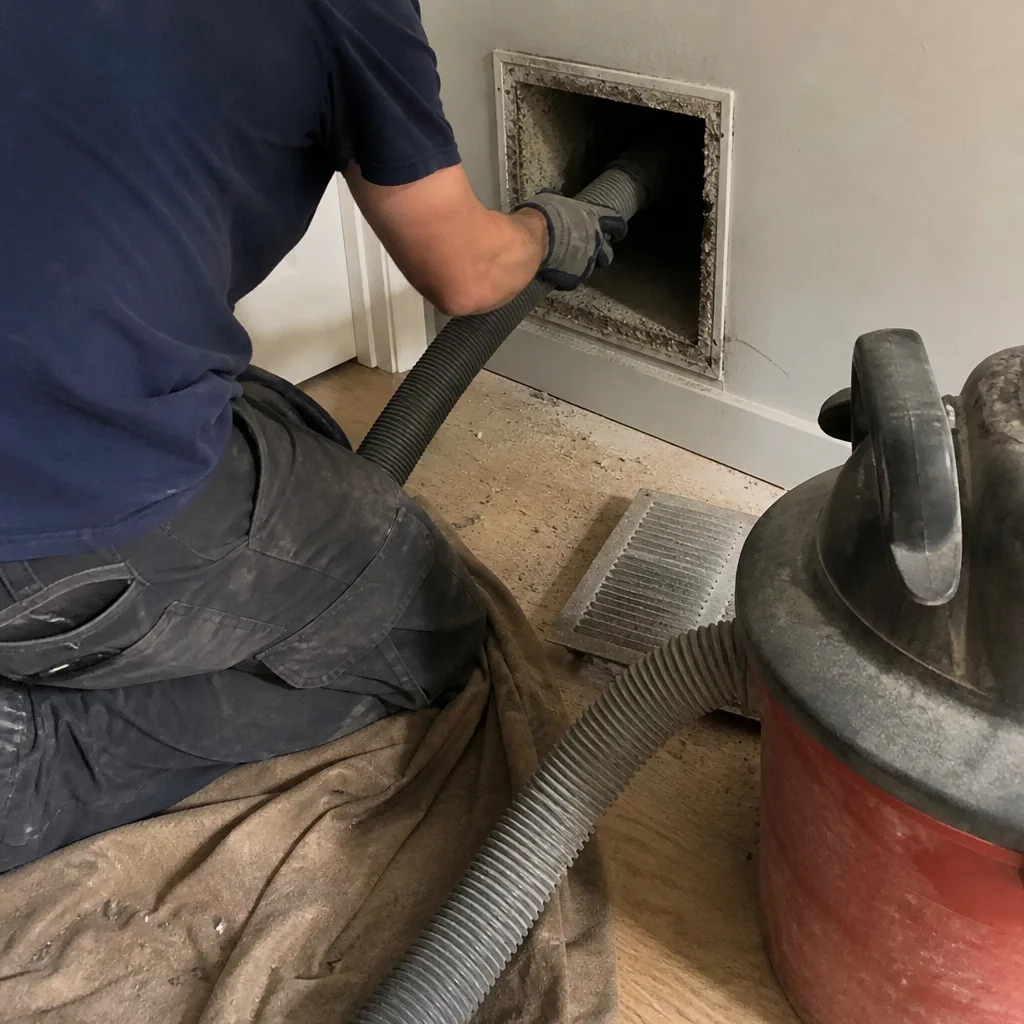 Before
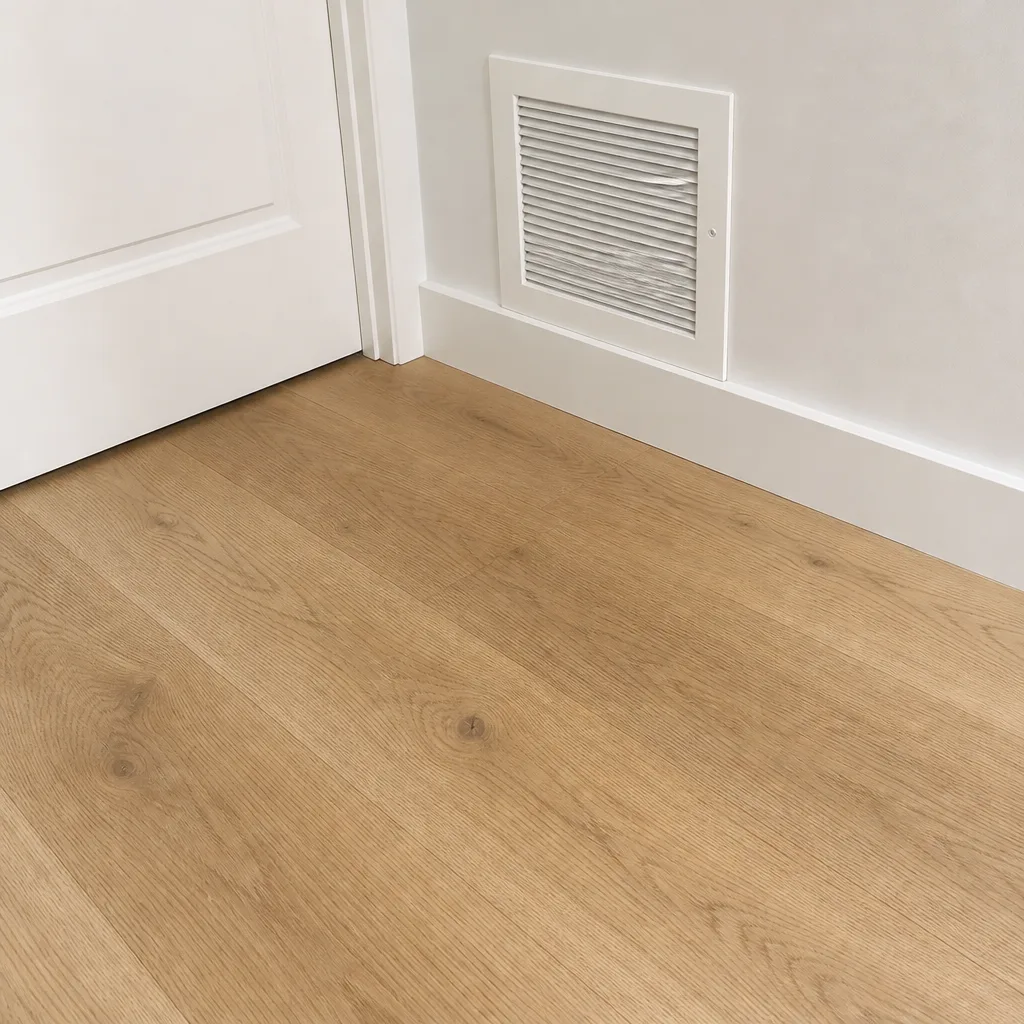 After
When to Call a Professional
Call for a professional inspection when you smell something persistent in the system, notice uneven airflow across floors, or have gone several years without service. The same goes for renovation debris, pest activity, or any system that’s showing symptoms of biological growth. Some tasks in this guide are safely done by a homeowner: filter changes, cleaning supply and return grille faces, keeping registers clear, sealing gaps you can reach. The interior of the air handler, the coil, condensate lines, refrigerant and electrical components are not homeowner territory. Those need a trained technician with the right equipment and the right safety practices.
Air Duct Cleaning West Brighton offers free estimates in West Brighton – call (877) 699-0106. We answer 24/7. Fast dispatch from 7am to 7pm, Sunday through Friday.
Frequently Asked Questions
Two calibrated touchpoints a year, one in late spring and one in early fall, serve most homes in West Brighton better than a single annual cleaning. The timing matters more than the frequency, because late spring catches what heating season deposited and early fall prepares the system for continuous operation. Homes with pets, recent renovations or allergy-prone occupants may benefit from an additional inspection. Call (877) 699-0106 for an exact quote – estimates are free.
Summer is the highest-risk season for microbial activity in ductwork because West Brighton humidity regularly pushes interior duct relative humidity above the level that promotes growth. Culturally, summer is also when more homeowners skip service because the system “seems fine.” The result is that biological growth in ducts is often discovered in fall when the heat first runs. A summer inspection after cleaning from late spring avoids that.
Keeping your filter fresh on a strict monthly schedule and keeping every supply and return grille clear of obstruction is the highest-value winter task. Both directly affect airflow and system efficiency during peak heating. Adding a grille-face vacuum every couple of weeks and noting any drafty rooms to share at your next service visit rounds it out.
Estimates vary by the size of the system, the number of runs, whether repair and sealing are needed, and whether sanitizing is added. That’s why we quote per system based on an inspection, not per vent. The written estimate sets the final price, and it’s agreed before work starts. Call (877) 699-0106 for an exact quote – estimates are free.
Ask for before-and-after photos of your own ducts and a written report describing what was found and what was done. That’s exactly what we provide. A cleaning job that doesn’t document its work leaves the homeowner guessing, and a system that was cleaned properly has evidence you can see.
Yes, and they should be, with cleaning and repair first and the tune-up second within the same short window. That order lets the tune-up confirm the system is running on a clean, sealed duct network. Scheduling them separately is fine if that’s how your provider works, but if you can sequence them, do.
Professional-grade rotary brush and high-volume vacuum equipment, such as the Rotobrush and Nikro systems we use, plus real containment filtration. Consumer vacuums and generic brushes don’t have the volume or agitation to remove settled debris, and many discount operators rely on them. Ask what equipment a company uses before you book, and ask whether they document the result.
The Bottom Line
Duct care in West Brighton is a season-by-season job, not an annual box to check. Late spring inspection and cleaning catches what heating season deposited before humidity starts feeding biological growth. Fall is the second touchpoint, done before the system runs continuously, with a blower check, filter seating check and register airflow test that materially affect performance. Winter is the season for filter discipline and register clearance, which most homeowners can handle themselves. Sequence cleaning before the HVAC tune-up, and both services reinforce each other. When symptoms speak louder than the calendar, an inspection settles it.
Written by the team at Air Duct Cleaning West Brighton.